

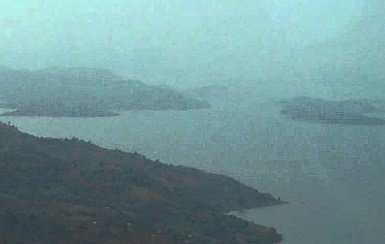
The Lake Tanganyika Basin, one of the world’s most significant freshwater ecosystems, is facing severe biodiversity threats. In response, the governments of Burundi, the Democratic Republic of Congo, Tanzania, and Zambia have launched a five-year initiative to combat these challenges. Supported by the UN Environment Programme (UNEP) and the Global Environment Facility (GEF), this ambitious project focuses on sustainable natural resource management and biodiversity conservation in the region.
A Collaborative Initiative for Conservation
With a budget of USD 14.5 million, the project is executed by UNOPS and aims to foster cooperation among the four nations. Key objectives include:
- Protecting core conservation zones in three designated areas.
- Restoring degraded landscapes to prevent further ecosystem deterioration.
- Promoting sustainable fisheries by enforcing fishing regulations.
This initiative underscores the urgent need for transboundary collaboration in tackling environmental threats that extend beyond national borders.
Addressing Key Environmental Challenges
The project identifies several high-priority areas for intervention:
- Sustainable Fisheries Management – Standardizing fishing practices, including mesh sizes, gear restrictions, and quotas to prevent overfishing.
- Habitat Protection – Safeguarding critical ecological zones that support diverse aquatic life.
- Community Engagement – Empowering local communities to play an active role in fisheries management.
- Alternative Livelihoods – Promoting eco-friendly economic activities to reduce dependency on fishing.
The Biodiversity Crisis: A Global Concern
Freshwater biodiversity is declining at an alarming rate, with an 84% reduction in freshwater species over the past century. This crisis is driven by:
- Pollution – Nutrient runoff and plastic waste disrupt aquatic ecosystems.
- Overexploitation – Unregulated fishing depletes fish stocks.
- Climate Change – Rising temperatures and erratic weather patterns threaten aquatic life.
If left unchecked, these factors could destabilize the entire Lake Tanganyika ecosystem, putting both wildlife and human communities at risk.
Why Lake Tanganyika Matters
As one of the world’s largest and oldest freshwater lakes, Lake Tanganyika is a global biodiversity hotspot. It sustains over 10 million people who rely on its waters for food, livelihoods, and daily needs. However, rapid population growth and increasing resource demand are pushing the lake’s ecosystem to a breaking point.
Building on International Agreements
This initiative builds upon the 2003 Convention on the Sustainable Management of Lake Tanganyika, a landmark agreement that laid the foundation for regional conservation efforts. The current project marks another significant step in the collective responsibility to protect one of the world’s most valuable freshwater resources.
The Road Ahead: What the Future Holds
If current environmental pressures persist, the value of Lake Tanganyika’s ecosystem services could decline by 20% by 2050. Reversing this trend requires:
- Increased funding for conservation efforts
- Stronger policy enforcement across national borders
- Sustained community involvement in eco-friendly practices
The success of this project will serve as a model for cross-border environmental cooperation, ensuring that Lake Tanganyika thrives for future generations.
[…] pluies torrentielles ont causé la rivière Kasaba et Lac Tanganyika Pour déborder, entraînant la destruction d’au moins 45 maisons et un impact sur 70 […]