

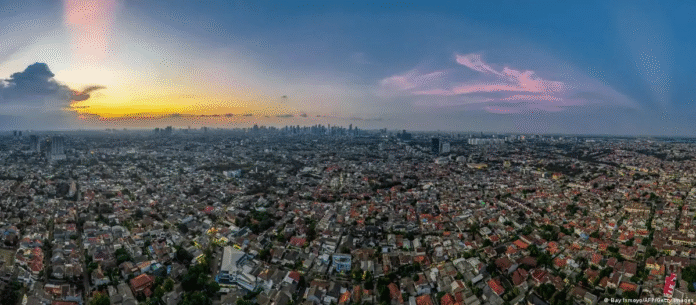
Jakarta has officially overtaken Tokyo to become the world’s most populous urban region, according to a new UN-backed demographic report. With an estimated 42 million residents, the Indonesian capital and its surrounding metro zone now represent the largest urban agglomeration on the planet — marking a significant shift in global population trends.
Asia Now Dominates the World’s Largest Megacities
The updated global ranking highlights a clear demographic reality: 9 of the world’s 10 largest cities are now in Asia.
The top positions are as follows:
- Jakarta – 42 million
- Dhaka – 37 million
- Tokyo – 33 million
Other highly populated Asian megacities in the top tier include New Delhi, Shanghai, Guangzhou, Cairo, Manila, Kolkata and Seoul, reflecting the rapid pace of urban migration and rising economic concentration across South and Southeast Asia.
Why Asia’s Megacities Are Growing
Experts attribute the surge to:
- Massive rural-to-urban migration
- Expanding economic and industrial hubs
- Natural population growth
- Increasing access to education, services and employment
Indian cities, particularly New Delhi and Kolkata, continue to absorb millions seeking better opportunities, pushing infrastructure and services to their limits.
Jakarta’s Urban Challenges Intensify
Jakarta’s new milestone brings heightened focus to long-standing pressures:
- Severe flooding
- Groundwater depletion
- Land subsidence
- Traffic congestion
- Housing shortages and sanitation gaps
These environmental and infrastructural strains were among the reasons behind Indonesia’s plan to shift administrative operations to its new capital, Nusantara, in Borneo.
Similar vulnerabilities affect other Asian megacities such as Dhaka, New Delhi, and Manila, where pollution, overcrowding and climate risks continue to escalate.
Key Points
- Jakarta is now the world’s most populous city (42 million).
- 9 of the top 10 largest megacities globally are located in Asia.
- Growth is driven by urban migration, economic opportunity and demographic momentum.
- Major challenges include infrastructure deficits, pollution and climate vulnerability.
The Road Ahead: Planning for an Urban Future
The shift in global megacity rankings is a wake-up call for policymakers. Urban planners warn that without sustainable development, resilient infrastructure, and long-term climate strategies, the world’s largest cities may struggle to support rapid population growth.
Asia’s expanding megacities reflect not only economic momentum — but also a defining challenge of the 21st century: how to build cities that can sustain people, resources, and the planet.