

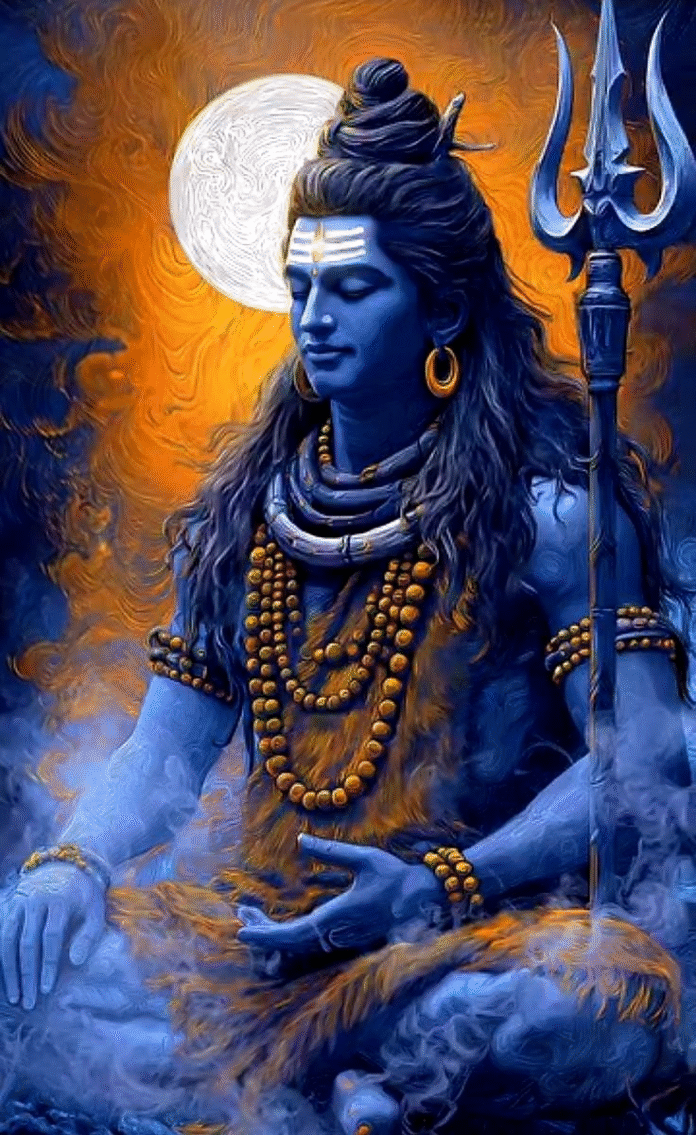
Shiva is not just a mythological figure or a deity confined to temples and rituals. Shiva represents the infinite cosmic energy that exists within and around us—the stillness before creation, the force that sustains existence, and the power that transforms everything back into its source. To understand Shiva is to understand life itself.
In Vedic philosophy, Shiva is described as the ultimate consciousness—formless, timeless, and boundless. He is not limited by identity, appearance, or personality. He is the space in which everything exists. Just as the universe continuously expands and dissolves, Shiva symbolizes the eternal rhythm of creation, preservation, and transformation.
The image of Shiva in deep meditation reflects the state of pure awareness. It teaches that beneath the noise of thoughts, roles, and responsibilities lies a silent yet powerful presence. When we connect to this stillness, we connect to our highest intelligence. In a world driven by speed and stimulation, Shiva reminds us that clarity is born in silence.
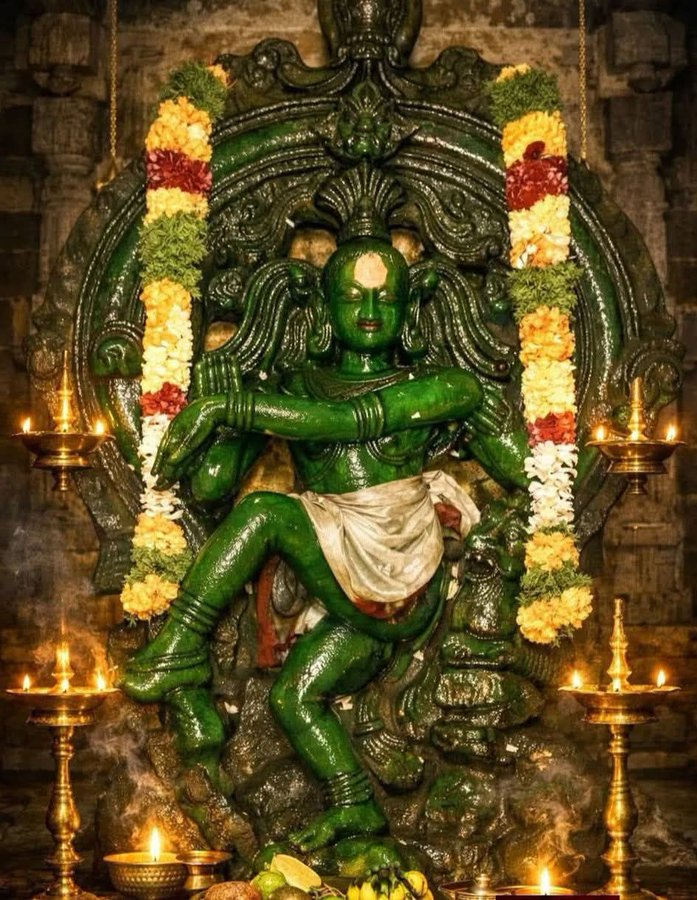
As Nataraja, the cosmic dancer, Shiva embodies the movement of the universe. Every atom vibrates, every planet rotates, every life evolves in a constant dance of energy. This dance is not random—it is a harmonious flow of destruction and creation. Old forms dissolve so new possibilities can emerge. In our lives too, breakdowns often become breakthroughs.
The story of Neelkanth, where Shiva holds poison in his throat, symbolizes emotional alchemy. Life inevitably brings pain, negativity, and chaos. Shiva does not reject it, nor does he let it spread. He contains it and transforms it. This is the highest form of inner strength—responding with awareness rather than reacting impulsively.
Shiva also represents balance. In the form of Ardhanarishvara, Shiva-Shakti—half masculine and half feminine—he signifies the union of logic and intuition, strength and softness, action and receptivity. True wholeness is not choosing one over the other, but integrating both.
Unlike conventional ideals of perfection, Shiva embraces the rawness of existence. He resides in cremation grounds, wears ash, and keeps serpents close—reminding us that life and death, beauty and destruction, light and darkness are all parts of the same reality. When we stop resisting life’s dualities, we discover freedom.
At a deeper level, Shiva is the energy of awareness within every human being. It is present when we pause before reacting, when we choose truth over comfort, when we let go of ego, and when we act from compassion instead of fear. The more conscious we become, the closer we come to experiencing Shiva—not outside, but within.
Living with Shiva as a guiding energy means living authentically. It means detaching from unnecessary noise, mastering the mind, and aligning with a higher purpose. It means understanding that destruction is not always negative—it is often a sacred clearing for growth. It means learning to sit in silence, observe life without judgment, and respond with wisdom.
In modern life, where overthinking, emotional exhaustion, and identity confusion are common, the philosophy of Shiva offers a path back to simplicity:
Be still. Be aware. Let go often. Love deeply. Stay rooted within.
Shiva is not something to be believed in; he is something to be experienced. He is the cosmic pulse in meditation, the courage in transformation, the calm in chaos, and the truth beyond illusion.
When a person begins to live consciously—observing thoughts, managing emotions, balancing energies, and aligning actions with purpose—they begin to live in the state of Shiva.
And perhaps that is the greatest realisation:
Shiva is not separate from us.
Shiva is the cosmic energy we come from, the consciousness we live in, and the truth we ultimately return to.

The writer of this article is Sonal Agarwal Rawat,
Pregnancy Wellness Expert, Life Coach, TEDx Speaker,
Founder, MothersVibe