

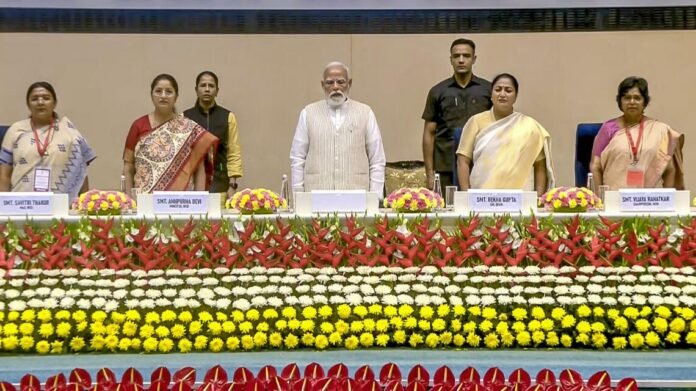
In a significant push toward gender equality, Prime Minister Narendra Modi has called for broad political support for the Women’s Reservation Act, describing it as one of the most transformative reforms of the 21st century. The legislation—popularly known as the Nari Shakti Vandan Adhiniyam—aims to reserve one-third (33%) of seats in the Lok Sabha and state legislative assemblies for women, marking a historic step in enhancing women’s participation in governance.
What is the Women’s Reservation Act?
The Women’s Reservation Act, passed in 2023 as a constitutional amendment, seeks to address the long-standing underrepresentation of women in India’s political system. It mandates 33% reservation for women in Parliament and state assemblies, with implementation expected after delimitation and likely to take effect around the 2029 general elections.
The bill has been a decades-old demand, with earlier attempts dating back to the 1990s, but it gained momentum recently with near-unanimous political backing in Parliament.
Why This Reform Matters
India has historically seen relatively low representation of women in legislative bodies. The Act aims to correct this imbalance by ensuring women have a stronger voice in lawmaking and governance. Experts and policymakers believe that greater participation of women leads to more inclusive decision-making and improved social outcomes.
Prime Minister Modi emphasized that this reform is not merely legislative but reflects the aspirations of India’s “Nari Shakti” (women power), underlining that societal progress is closely linked to women’s empowerment.
What Did the Prime Minister Say?
Addressing the Nari Shakti Vandan Sammelan in New Delhi, the Prime Minister said that India stands “on the brink of making history” and termed the Act as “one of the most significant decisions of the 21st century.”
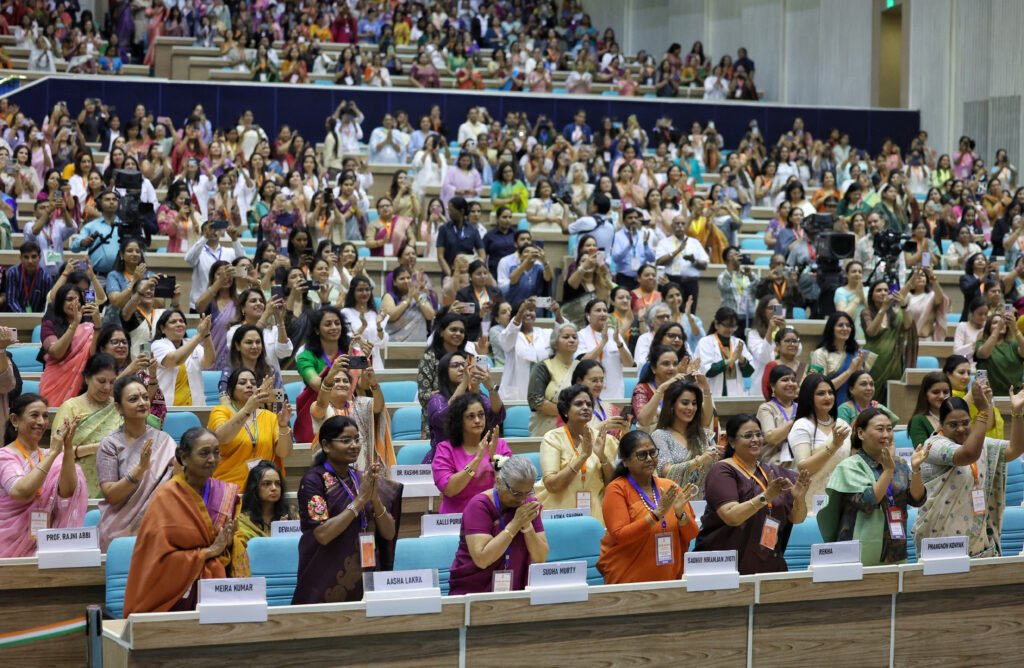
He highlighted that:
●The reform will strengthen democracy and make it more representative.
●It is a tribute to the strength and contribution of women in nation-building.
●The legislation reflects both the visions of the past and aspirations for the future, linking it to India’s long struggle for gender equality.
Modi has also written to leaders across political parties, urging them to rise above differences and support the bill unanimously, stressing that such a historic reform requires collective consensus.
The Road Ahead
While the passage of the Act is being hailed as historic, its implementation hinges on future delimitation exercises, which redraw constituency boundaries. The government has indicated that the 2029 elections could be the first to see this reservation in action.
Conclusion
The Women’s Reservation Act represents a watershed moment in India’s democratic journey. By institutionalizing women’s participation in politics, it seeks to reshape governance, making it more inclusive and representative. As Prime Minister Modi noted, this reform is not just about numbers—it is about empowering half the population and unlocking India’s full potential in the decades to come.