

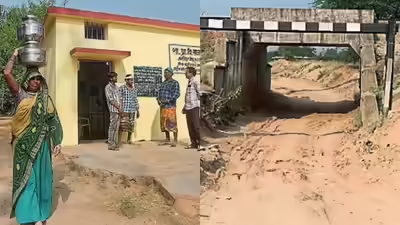
(PC:Thetimesofindia.com)
In the heart of western India lies a village so politically peculiar, it defies geography itself. Sajanpur, a sleepy hamlet surrounded entirely by Gujarat, is not part of Gujarat at all. It belongs to Madhya Pradesh—on paper, in votes, and in forgotten promises. But for the 300+ residents who live here, the question isn’t just where they are, it’s who sees them.
A Village in No Man’s Land
Sajanpur is located in Alirajpur district, Madhya Pradesh. But to reach it, one must cross into Gujarat, drive 20 km through tribal terrain, and navigate narrow, flood-prone roads. There’s no direct route from MP. No bus service. No signage. Just a village that seems to have slipped through the cracks of history. The locals speak Gujarati, trade in Gujarat’s markets, and send their children to schools across the border. Yet every five years, they vote in Madhya Pradesh elections, hoping someone will remember them.
How Did This Happen?
The story dates back to the States Reorganisation Act of 1956, when princely states were merged into linguistic territories. Sajanpur was part of the Alirajpur princely state, ruled by the Bhilala Rajputs. When Alirajpur joined Madhya Pradesh, Sajanpur came with it. But in 1960, a boundary dispute erupted. Gujarat claimed Sajanpur based on proximity and cultural ties. The matter reached the Supreme Court, which ruled that Sajanpur legally belongs to Madhya Pradesh. The verdict was clear. The implementation? Not so much.
Life on the Edge
- No proper road connects Sajanpur to its own state.
- Electricity and water come from Gujarat, but MP handles administration.
- Health workers from MP rarely visit; Gujarat’s clinics are closer but unofficial.
- School curriculum follows MP’s Hindi syllabus, but students speak Gujarati at home.