

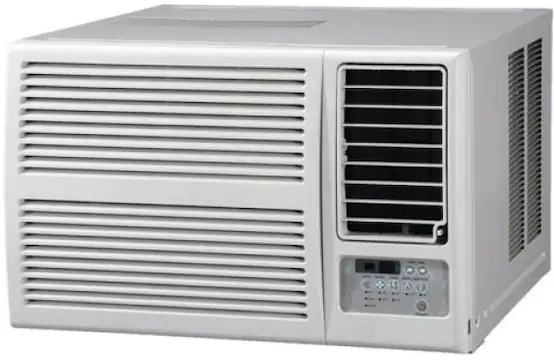
As summer temperatures soar, investing in a reliable air conditioning solution becomes significant for homeowners looking to stay comfortable indoors. Window air conditioners have long been a favorite choice for cooling single rooms, apartments, or small spaces, thanks to their convenience and simple installation.
Evaluating the window AC’s price early on can help narrow down options that align with both your budget and cooling requirements.
Window air conditioners are generally available in two primary types: inverter units and fixed-speed models. Understanding the difference in both function and price helps you choose what fits your comfort needs and budget. Let’s learn the key differences and determine which option offers the best value.
Understanding Fixed-Speed Window ACs
Understanding how different window AC types function can help you choose the right option for your home and budget. Fixed-speed (non-inverter) window ACs remain a popular choice due to their straightforward operation and affordable pricing. Below is a clear breakdown of their features, benefits, and limitations to help you make an informed decision.
● Simple Operating Mechanism
Fixed-speed, or non-inverter, window ACs are easy to use. They switch on at full power when the room temperature rises above the thermostat setting and turn off once the desired temperature is reached, repeating this cycle to maintain cooling.
● Ideal for Limited or Occasional Use
If you live in an area with mild temperature variations or use the AC only occasionally, a fixed-speed unit can provide effective cooling without excessive investment.
● Lower Energy Efficiency
These ACs are less energy-efficient because the compressor operates at full capacity every time it starts, which can increase power consumption.
The Appeal of Inverter Window ACs
Inverter window ACs are designed for users who prioritize energy efficiency and long-term comfort, even if the price of a window AC is comparatively higher at the time of purchase. With advanced compressor technology and smoother performance, these units offer a modern cooling solution for homes that require consistent temperature control. The points below highlight their key features and benefits to help you decide if an inverter model suits your needs:
1. Variable-speed Compressor Operation
Inverter window ACs use a variable-speed compressor that adjusts its speed according to cooling needs, helping maintain a stable room temperature while using less energy.
2. Improved Energy Efficiency
Energy efficiency is one of the strongest advantages of inverter units. Reduced power consumption over time can balance out the higher window AC’s price associated with inverter models.
3. Cost-effective for Long-term Use
For homes that use air conditioning for long hours or experience intense summer heat, inverter window ACs can prove more economical in the long run.
4. Quieter Performance
The absence of frequent start-stop cycles results in quieter operation, creating a more comfortable indoor environment.
5. Reduced Wear and Longer Lifespan
Smoother compressor functioning leads to less mechanical stress, which can contribute to a longer lifespan compared to fixed-speed units.
Factors to Consider Before Purchasing
When choosing between an inverter and a fixed-speed window AC, the decision should be guided by how and where you intend to use the appliance, as well as the price of a window AC that fits your budget. Each option offers distinct advantages depending on lifestyle, comfort expectations, and usage patterns.
1. Usage Frequency
If the AC is expected to run for long hours each day, such as during peak summer months or in frequently occupied rooms, an inverter model is better suited, even if the price of a window AC is higher initially.
Its ability to adjust cooling output helps maintain comfort without frequent power surges. Fixed-speed units, on the other hand, are more appropriate for occasional or limited use, where a lower-priced window AC may be preferred.
2. Energy Efficiency
Inverter window ACs typically feature higher Seasonal Energy Efficiency Ratio (SEER) ratings, which indicate more efficient energy use over time. By adjusting compressor speed based on cooling demand, they avoid unnecessary power consumption, making them suitable for sustained operation.
3. Budget Considerations
Fixed-speed window ACs require a lower initial investment, making the price of a window AC more accessible when upfront spending needs to be kept minimal. They deliver effective cooling without additional technology, which can be sufficient for straightforward requirements.
4. Noise Sensitivity
For spaces where quiet operation matters, such as bedrooms, home offices, or study areas, inverter ACs are preferable. Their steady operation reduces noise levels compared to the frequent start-stop sounds associated with fixed-speed models.
5. Longevity and Durability
Inverter ACs operate more smoothly, placing less strain on internal components. This reduced mechanical stress can contribute to better long-term performance and durability. Fixed-speed units may experience more wear due to repeated on-off cycles, especially with heavy use.
Choose the AC That Matches Your Needs and Usage
Choosing between inverter and fixed-speed window ACs is about balancing immediate affordability with the price of a window AC against long-term comfort and performance. Fixed-speed models suit those seeking straightforward cooling for limited use, while inverter ACs are better suited to frequent operation, stable temperature control, and quieter performance. Factors such as room size, local climate, and daily usage patterns play a significant role in determining which option delivers the best experience.
Taking time to assess your lifestyle and expectations helps ensure better satisfaction over time. For clearer comparisons of features, efficiency, and price across different window AC models, exploring options from a trusted electronics brand like Kelvinator can help you make a well-informed decision.