

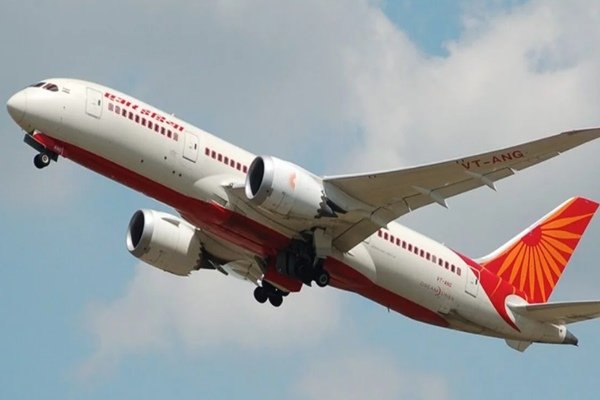
India’s aviation sector has reached a major milestone, with the country officially emerging as the third-largest domestic aviation market in the world, according to a recent release by the Ministry of Civil Aviation. This achievement reflects not just rising passenger numbers, but a deeper transformation in how Indians travel—marking a shift from luxury to accessibility.
A Skyward Growth Story
Over the past decade, India’s aviation landscape has expanded rapidly. The number of operational airports has more than doubled, regional connectivity has improved, and airline networks have penetrated deeper into smaller cities. Today, over five lakh passengers travel daily by air, highlighting the scale at which aviation has become a part of everyday life.
A key driver behind this growth has been the government’s regional connectivity push through the UDAN (Ude Desh ka Aam Naagrik) scheme, which has made flying affordable for millions and connected previously underserved regions.
Passenger-Centric Reforms Take Centre Stage
As the sector grows, the focus has also shifted towards improving the passenger experience. The Director General of Civil Aviation (DGCA) has recently introduced a series of guidelines aimed at enhancing transparency and fairness.
One of the most notable changes is the mandate that at least 60% of seats on any flight must be offered free of charge, ensuring that passengers are not burdened with additional costs for basic seat selection. Families travelling on the same booking (PNR) are also to be seated together, addressing a long-standing concern among flyers.
Additionally, airlines have been directed to:
●Clearly communicate passenger rights across platforms
●Ensure transparency in policies related to baggage, pets, and special items
●Strictly follow compensation norms in cases of delays, cancellations, or denied boarding
Balancing Growth with Accessibility
These reforms signal a broader shift in India’s aviation policy—from revenue-focused services to passenger-first governance. While airlines may face some impact on ancillary revenues, the long-term goal is to build trust and make air travel more inclusive.
What Lies Ahead
India’s emergence as a global aviation leader is not just about numbers—it reflects rising aspirations, economic growth, and improved connectivity. With continued investments in infrastructure, technology, and policy reforms, the sector is poised for even greater expansion.
As India’s skies grow busier, the emphasis on affordability, transparency, and accessibility ensures that this growth benefits not just the industry, but every traveller taking to the skies.