

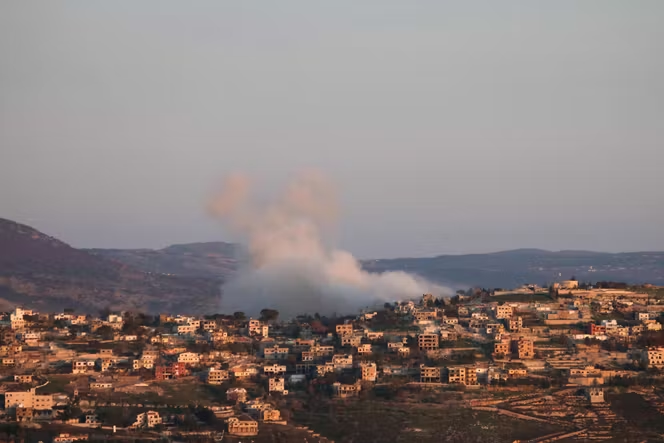
Human Rights Watch (HRW) has accused Israel of unlawfully using white phosphorus munitions over residential areas in southern Lebanon during recent military operations. The allegation comes amid escalating tensions along the Israel–Lebanon border following renewed clashes with the Iran-backed militant group Hezbollah. According to the rights organisation, the use of such munitions in populated areas poses serious risks to civilians and may violate international humanitarian law.
HRW Report on Incident in Yohmor
The New York-based rights group said Israeli forces fired artillery shells containing white phosphorus over the southern Lebanese town of Yohmor on March 3, 2026. HRW reported that it verified and geolocated several images showing airburst white phosphorus munitions exploding above residential neighbourhoods.
The organisation said the images also showed civil defence workers attempting to extinguish fires in homes and vehicles in the town, suggesting damage to civilian property. HRW stated that such incidents raise concerns about the safety of civilians living in conflict zones.
What Is White Phosphorus
White phosphorus is a chemical substance that ignites immediately when exposed to oxygen. Militaries commonly use it to create smoke screens, illuminate battlefields or mark targets during military operations.
However, when used as an incendiary weapon, the substance can cause severe burns, respiratory damage, organ failure and even death. Because it burns intensely and spreads rapidly, its use in populated areas is highly controversial and restricted under international humanitarian law.
Rising Tensions Along the Israel–Lebanon Border
The allegations come as Israel continues military operations targeting Hezbollah positions in southern Lebanon. Israeli forces have conducted multiple air strikes and ground operations in border regions following attacks by the militant group.
Lebanese authorities report that hundreds of people have been killed in recent strikes, while more than half a million residents have been displaced as the conflict intensifies. The situation has increased fears of a broader regional escalation.
Key Facts
- White phosphorus ignites instantly when exposed to oxygen and produces thick smoke.
- The Chemical Weapons Convention does not classify white phosphorus as a chemical weapon.
- International humanitarian law restricts the use of incendiary weapons in civilian areas.
- The Litani River in Lebanon is a key geographical reference line in Israel–Lebanon security arrangements.
Calls for Investigation
Human Rights Watch has urged Israel to immediately stop using white phosphorus in residential areas and called on countries supplying weapons to Israel to review military assistance.
Lebanese authorities have also raised concerns about the humanitarian and environmental consequences of the attacks. The accusations add to growing international scrutiny of the conflict and its impact on civilians in the region.