

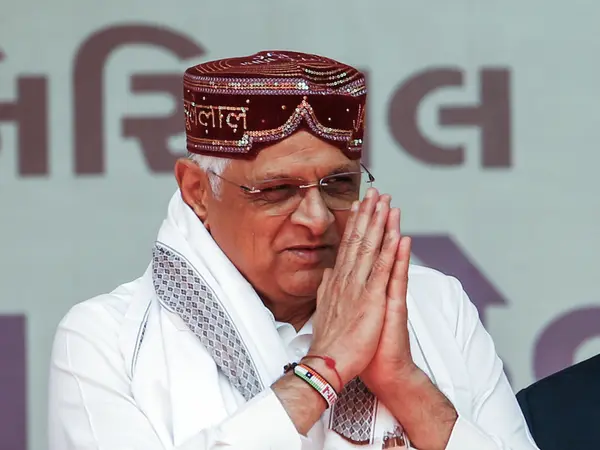
Gujarat has become the second Indian state after Uttarakhand to pass the Uniform Civil Code (UCC) Bill, 2026, establishing a common legal framework for personal laws across communities. The legislation, approved by the state assembly on March 24, aims to regulate marriage, divorce, succession, and live-in relationships uniformly, irrespective of religion. The move underscores the government’s push for legal uniformity, gender justice, and social harmony.
Key Provisions of the UCC Bill
The law makes registration of marriages and divorces compulsory, with penalties of up to ₹10,000 for non-compliance. It introduces stricter legal procedures for divorce, allowing only court-sanctioned separation. Practices such as polygamy have been banned, while coercive or fraudulent marriages may attract imprisonment of up to seven years. The bill also allows remarriage after divorce without conditions and prohibits practices like halala in certain communities.
Regulation of Live-in Relationships
A key feature of the legislation is the formal recognition and regulation of live-in relationships. Such relationships must be registered, and their termination must also be officially recorded. Children born from live-in unions will be considered legitimate. The law also grants women the right to claim maintenance if deserted by partners, offering stronger legal protection.
Exemptions and Legislative Process
The UCC provisions will not apply to Scheduled Tribes, acknowledging their distinct customs and traditions. The bill was drafted based on recommendations from a committee headed by retired Supreme Court judge Justice Ranjana Desai, which reportedly received around 20 lakh public suggestions. While the government has highlighted inclusivity and reform, the opposition has raised concerns over constitutional validity and the depth of legislative scrutiny.
Important Facts
- Uniform Civil Code seeks to replace religion-based personal laws with a common set of laws.
- Article 44 of the Directive Principles of State Policy advocates for the UCC.
- Uttarakhand was the first Indian state to pass a UCC law.
- Scheduled Tribes are typically exempted to safeguard customary practices.
Debate and Broader Implications
The bill has triggered political and legal debate. The government maintains that it promotes equality—especially for women—and addresses issues like fraudulent marriages and unequal inheritance. Critics, however, question its constitutional scope and potential overlap with fundamental rights. The development marks a significant step in the ongoing national conversation around implementing a Uniform Civil Code across India.