

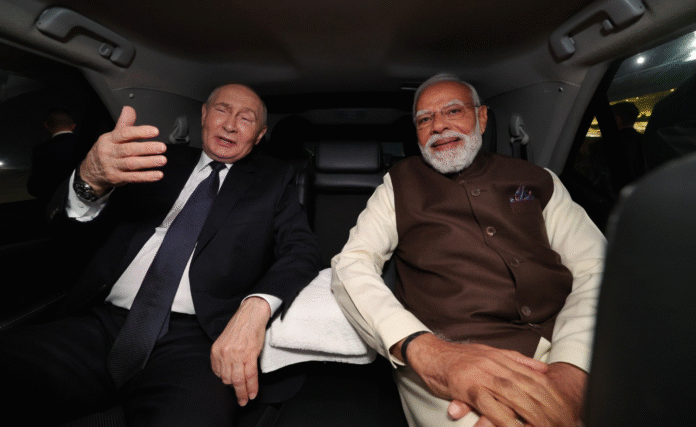
When Narendra Modi greeted Vladimir Putin at the Delhi airport and whisked him away not in his signature Range Rover or a Mercedes-Maybach but in a white Toyota Fortuner, the signal sent was loud and clear. The unexpected choice has triggered a wave of speculation and theories from diplomatic posturing to plain practicality.
European luxury? Not this time
In normal circumstances, leaders opt for opulent European vehicles. But this time no Range Rover, no Mercedes. Analysts believe that with Western countries having imposed sanctions on Russia, using a European-branded car could have created adverse optics. Opting for a Japanese-origin SUV helped sidestep that narrative entirely.
“Make-in-India” message on wheels
The Fortuner used was reportedly assembled in India, giving room for another powerful interpretation: alignment with the government’s push for domestic manufacturing and self-reliance. This choice speaks to promoting Indian-assembled vehicles even in matters of high diplomacy.
Third row matters for diplomacy & protocol
There’s also a practical side. The Fortuner offers a third row of seating useful for interpreters or aides traveling along with the leaders. The usual Range Rover lacks this flexibility, making Fortuner a smarter logistical fit for a two-plus-two ride.
Quiet diplomacy
What might look like a simple change of car was in fact a carefully calibrated diplomatic gesture. By blending practicality with symbolism, the ride in Fortuner offered a soft yet unmistakable message avoiding flash, embracing sovereignty, and delivering a quiet demonstration of intent that resonated with global watchers.
Ultimately, whether it was symbolism, practicality, or both this modest SUV moment for top-level diplomacy became one of the most talked-about visuals of Putin’s visit, showing how even choice of wheels can carry geopolitical weight.