

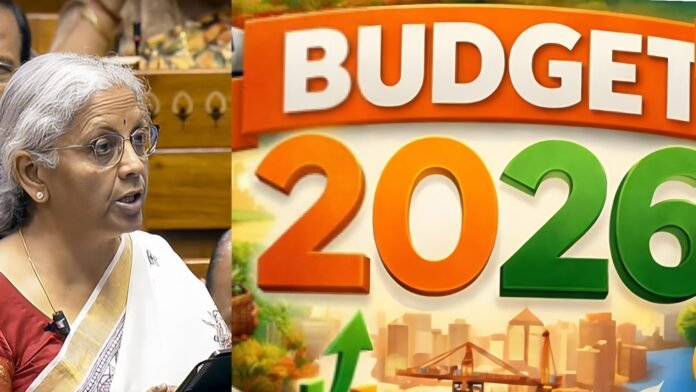
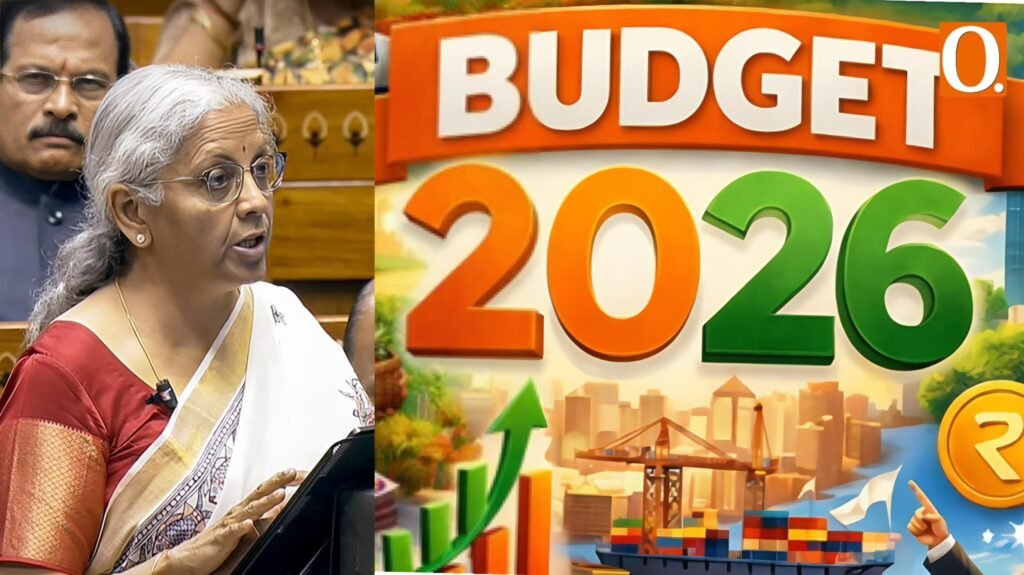
As India prepares for the presentation of the Union Budget 2026, attention isn’t just on numbers and policies but also on the customs, milestones and quirky traditions that have become part of the budget season. From historic speeches to social celebrations tied to the budget, here are seven intriguing trivia points that make this annual event uniquely Indian.
The longest Budget speech in history
The record for the longest Union Budget speech was set in 1973 by then Finance Minister Yashwantrao Chavan. His marathon presentation lasted an astounding 2 hours and 57 minutes, reflecting the exhaustive detail and broad scope of fiscal priorities discussed that year. Today’s budgets are more focused and concise, but the memory of that record remains part of Budget lore.
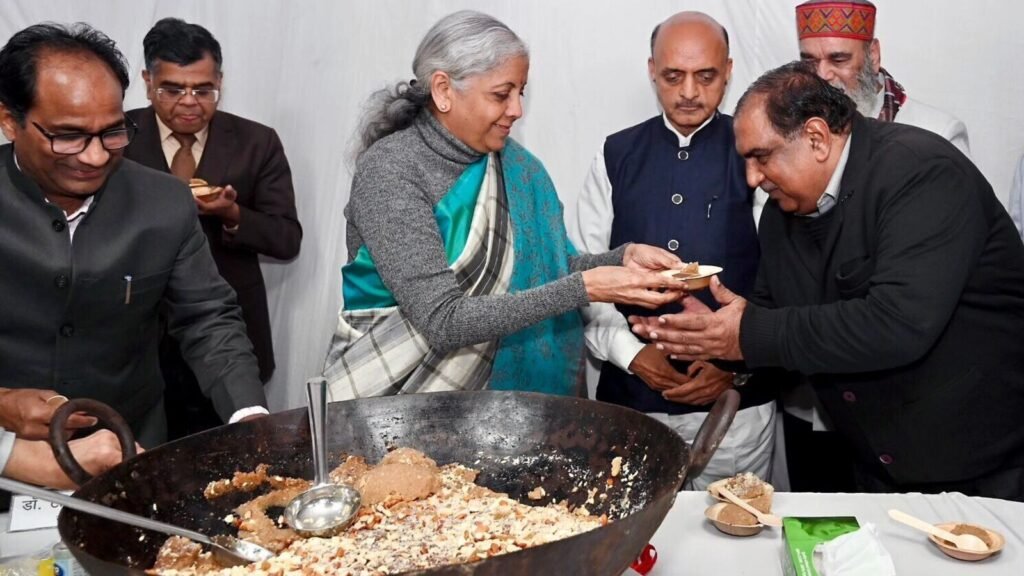
Halwa ceremony marks the start of budget day
Long before the Finance Minister steps into Parliament, there’s a sweet tradition in the Ministry of Finance the halwa ceremony. Every year on budget day morning, officials, staff and journalists gather for a communal serving of halwa prepared in large quantities. This ritual is meant to energise everyone for the long day ahead and has become a beloved prelude to the official proceedings.
The Budget is usually presented on February 1
For decades, India’s Union Budget was traditionally presented on the last working day of February. However, since 2017, the government has shifted to presenting the budget on February 1 (or a nearby date), setting a consistent rhythm for fiscal planning and implementation.
The budget in brief is available in multiple formats
While the full budget documents run into thousands of pages, the government also releases a “Budget in Brief”, summarising key tax changes, policy moves and forecasts. In recent years, this has also been made available in easy-to-read formats for students, businesses and the general public.
Transporting the Budget used to be a physical ritual
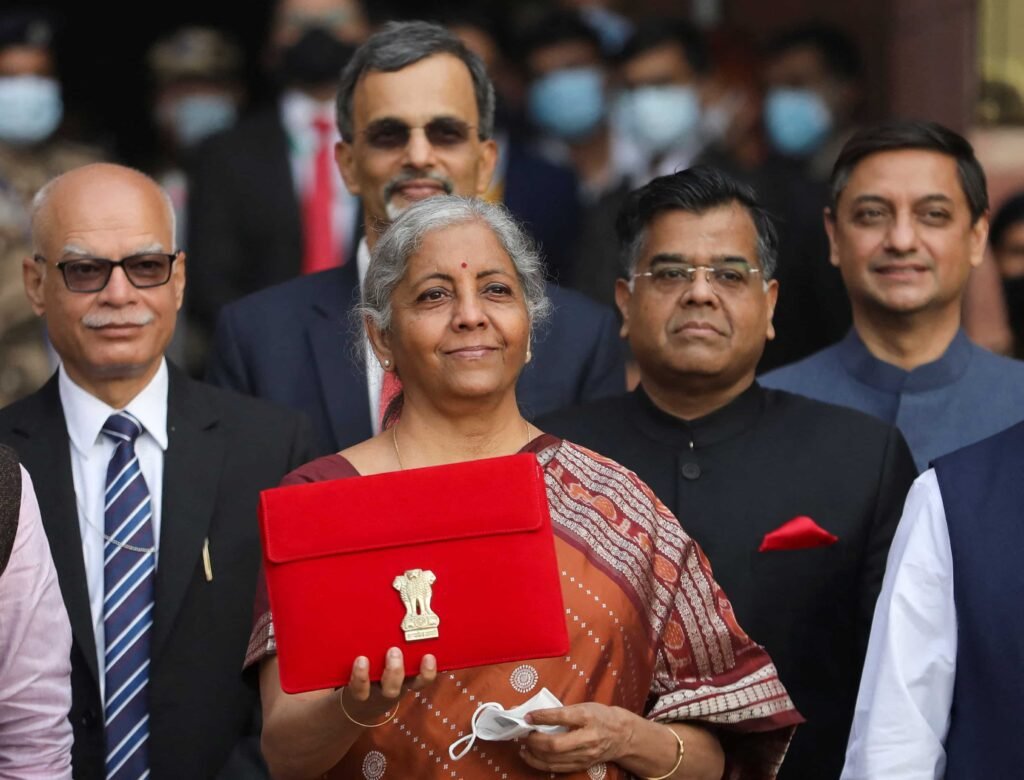
Before digital transmission became standard, the physical budget document was carried to Parliament in a briefcase or trunk. In the past, bulky printed volumes were transported under tight security. Today, much of the budget is shared electronically ahead of time but the ceremonial aspect of physically placing documents before MPs still resonates.
Budget day is a national spectacle
Beyond Parliament, budget day captures headlines, public debate, expert analysis and social media discussions. Investors, economists and ordinary citizens tune in to understand how fiscal decisions might affect jobs, growth, prices and daily life. For many Indians, budget announcements are more than policy news, they are part of the national conversation.
Every budget reflects the government’s priorities
While trivia adds colour to the event, the Union Budget’s primary purpose remains fiscal planning. It reflects the government’s strategy on taxation, public spending, social welfare, infrastructure, investment and economic growth. Over the years, budgets have marked historic shifts from liberalisation in 1991 to reforms in tax codes and new priorities in health, education and climate action.
As Budget 2026 approaches, these fun facts remind us that India’s fiscal season is not only about charts and numbers but also rich rituals, memorable milestones and moments that connect policy with tradition.