

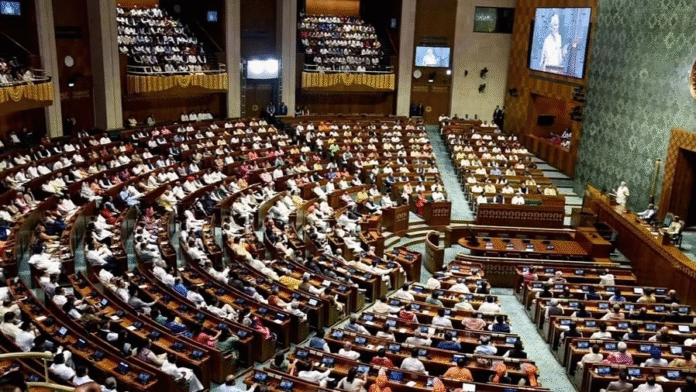
The expunction of a Member of Parliament’s speech in 2026 has reignited an important constitutional debate in India, raising critical questions about parliamentary privilege, free speech, constitutional limitations, and the balance between democratic institutions. The removal of a legislator’s remarks from parliamentary records has sparked concerns about procedural fairness, the scope of legislative autonomy, and the safeguards built into India’s constitutional framework.
Article 105 of the Indian Constitution grants Members of Parliament the freedom of speech within the House and immunity from legal proceedings for anything said during parliamentary debates. This privilege is intended to protect the independence of legislators, ensure free and uninhibited debate, and strengthen democratic decision-making. However, this freedom is not absolute and is subject to constitutional and procedural restrictions designed to preserve the dignity and functioning of Parliament.
Under the Rules of Procedure and Conduct of Business in Parliament, the Speaker or Chairperson has the authority to expunge remarks that are defamatory, unparliamentary, violative of constitutional norms, or harmful to the dignity and decorum of Parliament. This discretionary power is meant to maintain order, discipline, and institutional respect within legislative proceedings, but its exercise often raises concerns about subjectivity and political bias.
A key constitutional provision relevant to the 2026 incident is Article 121, which prohibits any discussion on the conduct of judges of the Supreme Court or High Courts except through the prescribed impeachment process. Any direct or indirect reference questioning judicial conduct may be removed to safeguard judicial independence and uphold the separation of powers, which is a core principle of India’s constitutional democracy.
The 2026 expunction incident triggered several constitutional questions. Was the removal of the speech necessary to prevent defamation and protect institutional integrity, or did it restrict legitimate criticism and dissent? Was the Chair’s action proportionate, or did it set a precedent that could chill parliamentary free speech? These questions have led to renewed scrutiny of the limits of parliamentary privilege and the mechanisms used to regulate legislative discourse.
The debate highlights the tension between free speech and constitutional restraints. Critics argue that frequent or broad expunctions may weaken democratic transparency, restrict elected representatives, and limit public awareness of critical national issues. Supporters, on the other hand, contend that unregulated speech could damage institutional credibility, undermine judicial independence, and encourage defamatory or irresponsible statements. Maintaining a careful constitutional balance between these competing concerns is therefore essential.
The 2026 episode also underscores the need for clearer and more transparent guidelines governing expunction. Establishing objective criteria, procedural safeguards, and consistent application across political contexts could reduce subjective interpretation and protect both parliamentary freedom and institutional dignity.
In conclusion, the expunction of an MP’s speech in 2026 is more than a procedural incident; it reflects deeper constitutional tensions between parliamentary freedom, judicial independence, and institutional respect. While Members of Parliament must be free to speak fearlessly in the interests of democracy, such freedom must operate within constitutional boundaries, particularly concerning defamation and restrictions under Article 121. This incident highlights the need for balanced reforms to strengthen India’s democratic and parliamentary processes and ensure that freedom and responsibility coexist within the constitutional framework.

(The article has been written by: Soniya Yadav, Student, Kanoria Mahila Mahavidyalaya)