

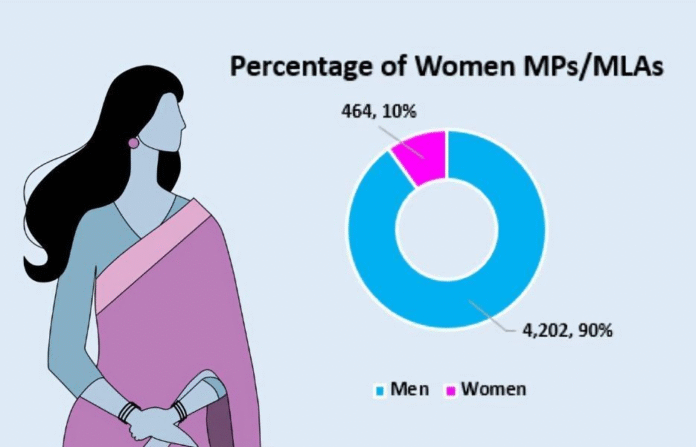
In a major push toward gender equality in politics, the Union Cabinet has cleared key Constitutional amendments to accelerate the implementation of 33% reservation for women in Parliament and state assemblies.
The move is seen as a decisive step toward operationalising the landmark Nari Shakti Vandan Adhiniyam, aimed at significantly boosting women’s representation in India’s legislative bodies. The decision comes just ahead of a proposed special session of Parliament, underlining the government’s urgency to move the reform forward.
Faster Implementation on the Cards
One of the most significant changes proposed is the use of 2011 Census data for delimitation, instead of waiting for fresh census figures. This shift is expected to remove long-standing procedural delays and pave the way for quicker implementation of women’s reservation.
Bigger Parliament, Greater Representation
In a parallel development, the Cabinet has also approved a Delimitation Bill that could dramatically reshape India’s political map. The strength of the Lok Sabha may increase from 543 to 816 seats, with around 273 seats reserved for women.
This expansion aims not only to reflect population changes but also to ensure more balanced and inclusive representation across regions and communities.
Political Significance
The reform comes amid growing consensus across political parties on the need for greater participation of women in governance. The government has also assured that the interests of southern states will be safeguarded during the delimitation process—an issue that has historically sparked debate.
Why It Matters
If implemented, the reform could mark a turning point in Indian politics, bringing more women into decision-making roles, shaping more inclusive policies, and strengthening democratic institutions.
With Parliament set to take up the amendments soon, all eyes are now on how quickly this long-awaited reform becomes a reality.