

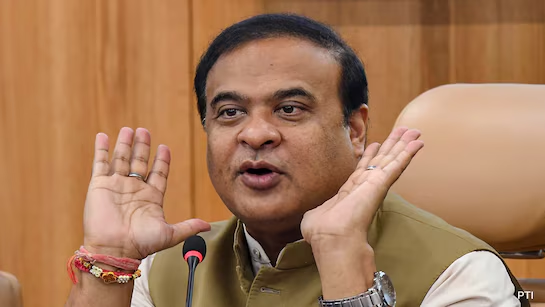
Assam has moved a significant legislative step with the introduction of a bill aimed at prohibiting polygamy across the state. The proposal seeks to criminalise the practice, define clear punitive measures, and extend protections to affected women. The move forms part of a broader policy drive to reform personal laws and strengthen women’s rights.
Scope and Applicability of the Proposed Law
The bill is designed to operate across Assam, with specific exclusions. It will not apply to areas under the Sixth Schedule, nor will it cover members of Scheduled Tribes outlined in Article 342. The legislation’s scope focuses on communities where the state holds jurisdiction to regulate civil and family matters.
Key Penal Provisions and Offences
The bill categorises polygamy as a criminal offence. A first offence may attract imprisonment of up to seven years. If an individual enters into another marriage while concealing an existing one, punishment may extend to ten years along with a financial penalty. The draft further defines polygamy clearly to avoid ambiguity, covering all marriages where a previous union has not been legally dissolved or annulled.
Punishment for Repeat Offenders and Facilitators
Repeat offenders may face double the punishment prescribed for each subsequent violation. The bill places accountability not only on the individuals contracting such marriages but also on facilitators. Village heads, qazis, parents, or guardians who knowingly conceal facts may face up to two years’ imprisonment or a monetary fine. Those solemnising marriages in violation of the law may also be penalised.
Facts
- The bill excludes Sixth Schedule areas from its jurisdiction.
- Members of Scheduled Tribes under Article 342 are not covered.
- First-time offenders may face seven years of imprisonment.
- Convicted individuals may lose access to state-funded jobs and schemes.
Restrictions on Employment and Electoral Participation
A person convicted under the proposed law will be barred from seeking employment in posts funded or aided by the state. The restrictions extend to welfare schemes, with convicted individuals ineligible for state-supported benefits. The bill also proposes disqualification from contesting elections to Panchayati Raj Institutions and Urban Local Bodies, adding a civic dimension to the penalties