


For centuries, legends spoke of cities swallowed by the sea—Atlantis, Dwarka, Heracleion. Today, those myths are meeting reality as archaeologists and divers uncover astonishing ruins beneath the ocean’s surface. From intricately carved stone temples to bustling marketplaces frozen in time, these submerged cities are rewriting our understanding of ancient civilizations and the forces that erased them.
Civilizations Lost to the Waves
What causes a thriving city to vanish beneath the sea? The answers lie in nature’s fury and the planet’s shifting moods:
- Rising Sea Levels: As ice caps melted and coastlines changed, low-lying settlements were gradually engulfed.
- Earthquakes & Tsunamis: Sudden tectonic shifts triggered massive waves, drowning entire cities in minutes.
- Volcanic Eruptions: Like Pompeii, some coastal towns were buried under ash and later submerged by the sea.
These weren’t minor villages—they were hubs of trade, culture, and innovation. Their disappearance wasn’t just a geological event; it was a cultural erasure.
Cities That Vanished Underwater
Heracleion (Thonis-Heracleion), Egypt

- Once Egypt’s main port before Alexandria rose to power.
- Submerged due to earthquakes and soil liquefaction around the 8th century AD.
- Rediscovered in 2000 in Abu Qir Bay, revealing temples, colossal statues, shipwrecks, and inscriptions.
Pavlopetri, Greece
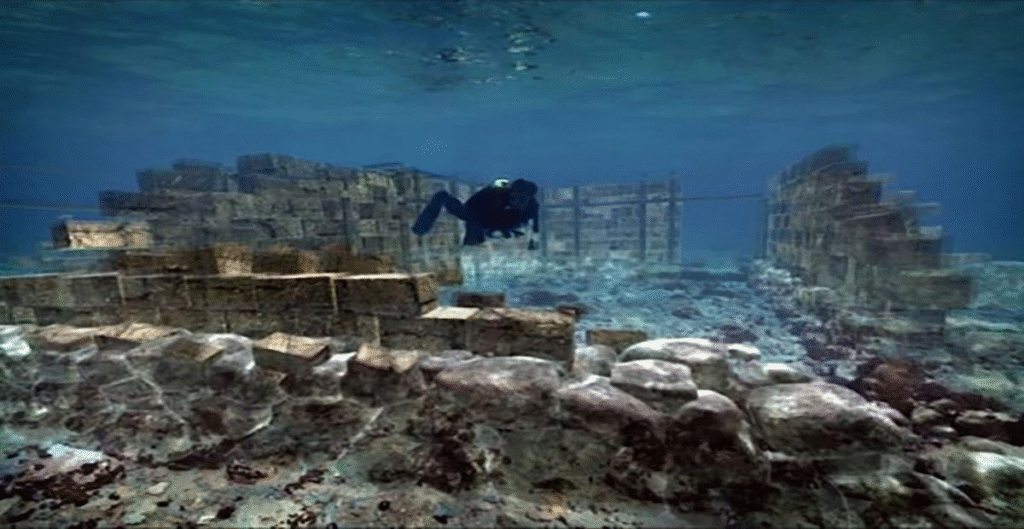
- Oldest known underwater city, dating back to around 2800 BCE.
- Features a complete town layout: streets, buildings, tombs.
- Submerged due to earthquakes and rising sea levels around 1000 BCE.
Dwarka, India

- Linked to Lord Krishna and the Mahabharata.
- Archaeological finds include stone anchors, walls, and pottery dating back over 9,000 years.
- Submerged due to rising sea levels and possibly seismic activity.
Shicheng (Lion City), China
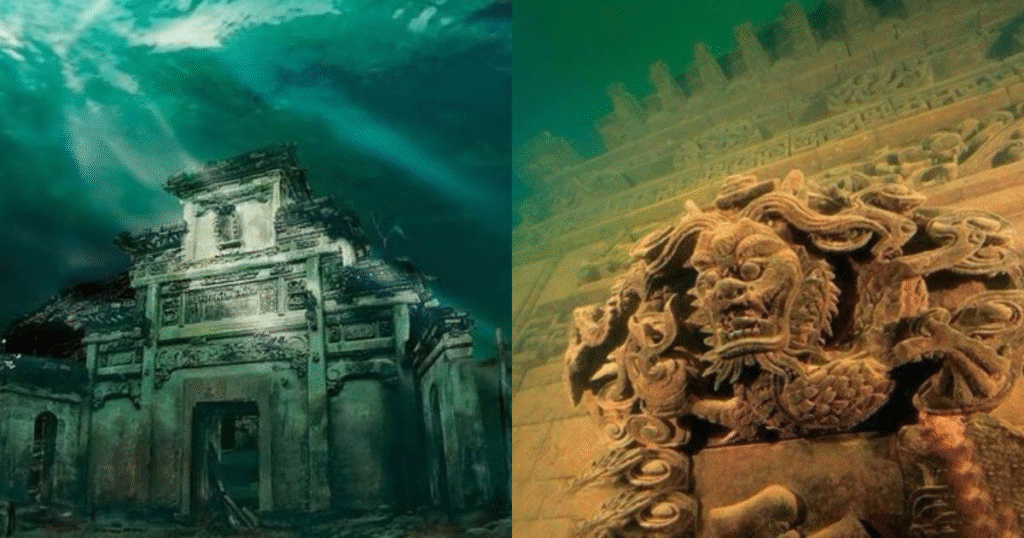
- Flooded in 1959 to create Qiandao Lake for a hydroelectric dam.
- Dates back to the Ming and Qing dynasties.
- Preserved underwater with temples, arches, and stone carvings.
Canopus, Egypt
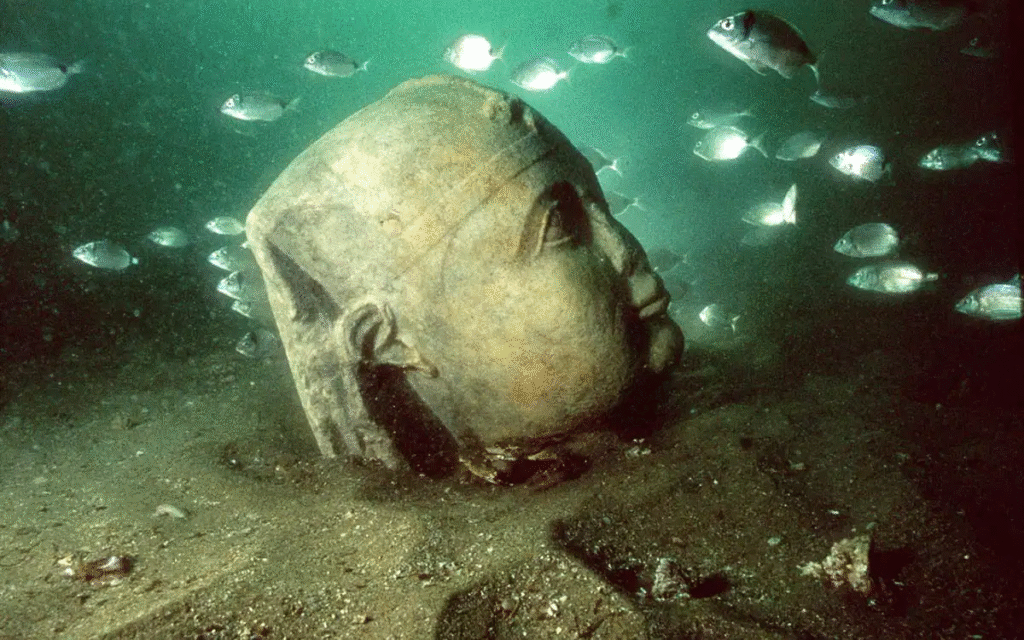
- A major religious and trade hub before Alexandria.
- Submerged by earthquakes and rising sea levels by the 8th century AD.
- Recent finds include statues of Ramesses II and Roman nobles.
Atlit-Yam, Israel

- Neolithic village dating back to 6900 BCE.
- Submerged due to post-glacial sea level rise.
- Contains wells, megaliths, human burials, and evidence of early agriculture.
Cleopatra’s Royal Quarter, Egypt

- Located off Alexandria’s coast, including the island of Antirhodos.
- Submerged due to earthquakes and tsunamis around 1400 years ago.
- Franck Goddio’s team uncovered statues, sphinxes, and palace ruins.
Port Royal, Jamaica

- Pirate haven and “Wickedest City on Earth” in the 17th century.
- Destroyed by a massive earthquake and tsunami in 1692.
- Submerged ruins include streets, taverns, and artifacts from daily life.
Samabaj, Guatemala
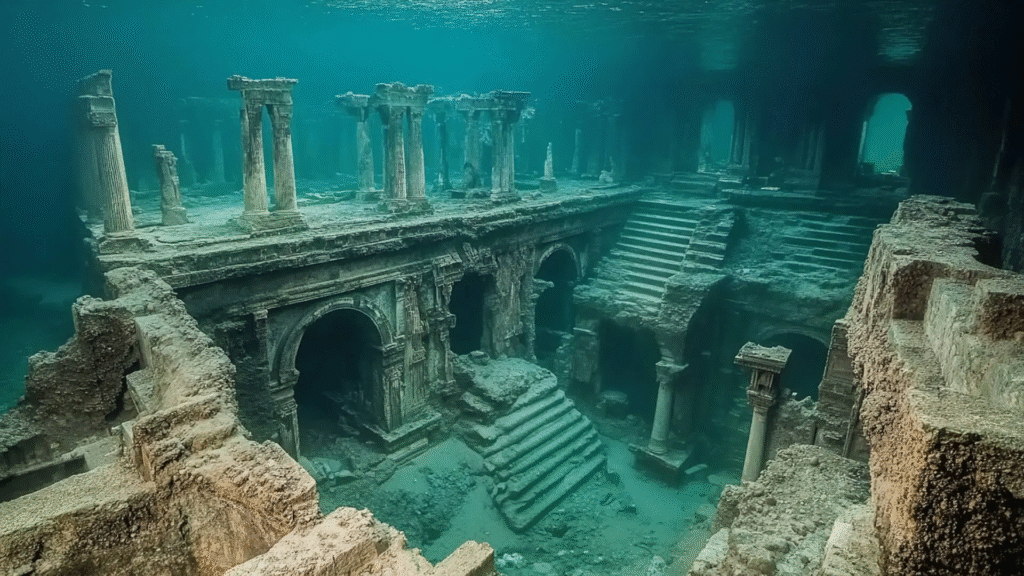
- Maya pilgrimage site submerged in Lake Atitlán.
- Possibly sank due to volcanic activity or rising water levels around 250–300 CE.
- Features altars, plazas, and ceremonial structures.
Yonaguni Monument, Japan

- Mysterious underwater rock formations off Yonaguni Island.
- Debate continues: natural geological formations or remnants of an ancient civilization?
- Resembles stepped pyramids and terraces.
Baiae, Italy
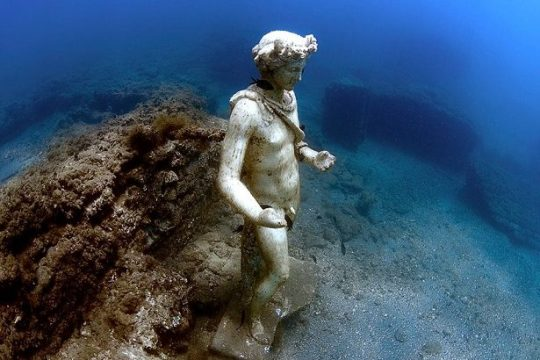
- Roman resort town for emperors like Nero and Hadrian.
- Submerged due to volcanic bradyseism (land rising and falling).
- Now an underwater archaeological park with mosaics, villas, and thermal baths.
Each of these cities whispers stories of grandeur, catastrophe, and resilience. If you’re crafting a campaign or reel around these, I can help dramatize them with bold headlines, emotional hooks, or even a “Sunken Civilizations” series. Want to dive deeper into one of them?