

(PC:Drshivasna.com)
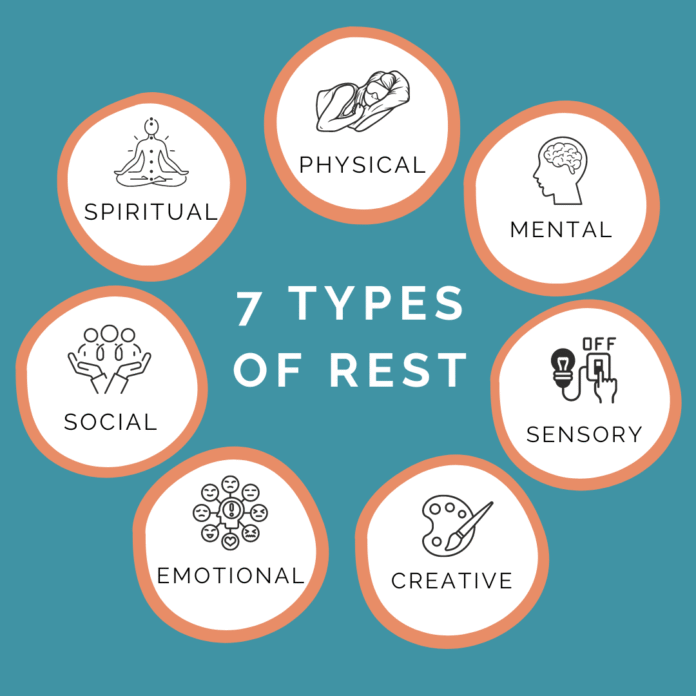
We often think of rest as simply getting a good night’s sleep—but true restoration goes far beyond closing your eyes. In our fast-paced, hyper-connected world, exhaustion can seep into every corner of our lives: physical, mental, emotional, even spiritual. That’s why understanding the seven distinct types of rest is a game-changer for anyone seeking balance, clarity, and vitality. This isn’t just about avoiding burnout—it’s about learning how to nourish every part of yourself. From calming your racing thoughts to rekindling your sense of wonder, each type of rest serves a unique purpose in helping you feel whole again.
Let’s explore how to recharge not just your body, but your mind and soul too.
Why It Matters
Balancing these seven types of rest prevents burnout and boosts energy, clarity, and joy. Identify what you need most and integrate small habits to feel refreshed and fulfilled. Rest is a necessity for a vibrant life.
1.Physical Rest: Restoring Your Body’s Energy
Physical rest focuses on giving your body a break from exertion, allowing it to repair, regenerate, and recharge. This type of rest is essential for reducing fatigue, improving circulation, and promoting overall physical health.
How to Practice Physical
Rest:Prioritize Sleep: Quality sleep is the cornerstone of physical rest, allowing your body to repair tissues and conserve energy.Gentle Movement Engage in low-impact activities like stretching or yoga to release muscle tension and improve blood flow. TherapeuticTreatmentsConsider professional treatments like massage to relax muscles and promote deep relaxation.
2.Mental Rest: Calming the Mind
Mental rest involves stepping away from constant thinking, decision-making, and cognitive overload. It’s about creating space for your mind to relax, which enhances focus, memory, and mental clarity.
How to Practice Mental Rest
take Regular Breaks step away from mentally demanding tasks for a few minutes to reduce cognitive fatigue.Mindfulness and Meditation practice mindfulness techniques or meditation to quiet racing thoughts and promote camness.Connect with Nature Spending time outdoors can soothe the mind and restore mental energy.
3.Emotional Rest: Nurturing Your Heart
Emotional rest is about creating space to process and express emotions in a healthy way, rather than suppressing them. It allows you to release emotional burdens and find inner peace.
How to practice
Journaling: Write down your thoughts and feelings to process emotions and gain clarity.
Nature Connection: Spend time in nature to find calm and restore emotional balance.
Creative Outlets engage in activities like art or music to express emotions in a healthy way.
Seek Support: Share your feelings with a trusted friend or therapist for emotional release and validation.
4.Sensory Rest: Easing Overstimulation
Sensory rest involves reducing sensory input to give your nervous system a break from constant stimulation. In our fast-paced, screen-filled world, this type of rest is crucial for calming the mind and body.
How to practice
Find Quiet Spaces seek out a peaceful environment, such as a quiet room or a serene park, to reduce noise and distractions.
Dim the Lights lower bright lights to create a calming atmosphere and ease visual strain.
Listen to Soothing Sounds play calming music or nature sounds to promote relaxation and reduce stress.
5.Creative Rest
Igniting Inspiration creative rest is about rekindling your sense of wonder and imagination without the pressure of analytical thinking. It’s about engaging in activities that spark joy and inspiration.
How to practice
Engage with Beauty: Spend time in nature, visit an art gallery, or listen to uplifting music to reconnect with the world’s beauty.
Mindful Activities practice meditation or mindfulness to stay present and open to inspiration. Playful Hobbies try gardening, cooking, or other creative pursuits without focusing on performance or outcomes.
6.Social Rest: Recharging Through Connection
Social rest involves balancing your social interactions to avoid emotional drain while fostering meaningful connections. It’s about surrounding yourself with relationships that uplift and energize you.
How to Practice Social Rest
Choose Positive Interactions spend time with people who support and inspire you, while limiting draining social obligations.
Take Time Alone allow yourself periods of solitude to recharge and reflect.
Set Boundaries politely decline invitations or commitments that feel overwhelming to preserve your energy.
7.Spiritual Rest: Finding Inner Peace
Spiritual rest involves connecting with a sense of purpose, meaning, or something greater than yourself. It’s about finding moments of reflection and grounding to restore your soul.
How to Practice Spiritual Rest
Meditation and Prayer: Engage in practices that foster a sense of connection and inner calm.
Reflect on Purpose: Take time to journal or reflect on your values and what brings you meaning.
Spend Time in Nature: Nature can provide a profound sense of connection to the universe and promote spiritual renewal.