

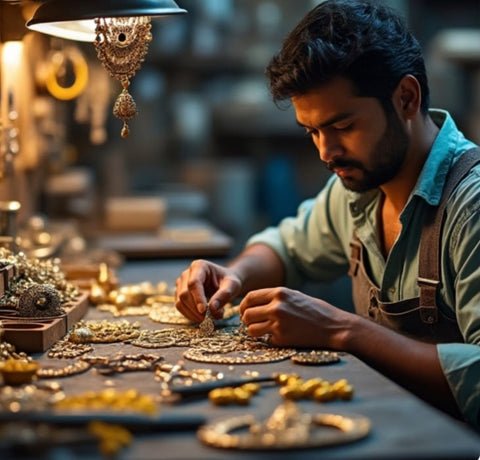
The Skill of Artisans that Shapes Every Ornament
Behind every piece of traditional jewellery lies the remarkable skill of artisans who have preserved their craft through generations. In Rajasthan, and particularly in the historic region of Mewar, jewellery making has long been regarded as both an art and a specialised craft.
The Mastery of Traditional Techniques
For centuries, skilled goldsmiths and craftsmen have created exquisite ornaments using techniques that require immense patience and precision. Among the most celebrated is Kundan, where gemstones are carefully set into refined gold foil to create intricate designs. Another renowned style is Polki jewellery, which uses uncut diamonds to produce regal and elaborate ornaments.
The colourful technique of Meenakari, which involves enamelling metal surfaces with vibrant patterns and motifs, also flourished under royal patronage. Over time, it became one of the most admired decorative elements in Rajasthani jewellery.
One of the region’s most distinctive crafts is Thewa work, which originated in Pratapgarh nearly four centuries ago. This technique involves fusing delicate gold designs onto coloured glass, creating striking pendants and ornaments known for their unique aesthetic.
The development of such jewellery techniques reflects the creativity of local artisans and the strong artistic traditions of Rajasthan.
From Traditional Workshops to Contemporary Design
Historically, jewellery was crafted in small workshops by families of goldsmiths who passed their knowledge from one generation to another. While the methods and tools have evolved with time, many jewellers continue to draw inspiration from these traditional designs.
Today, contemporary jewellery houses reinterpret heritage styles while adapting them to modern tastes and preferences. Brands such as Tanishq, TBZ, Amrapali and Kalyan Jewellers have introduced collections inspired by classic Rajasthani techniques like kundan and meenakari, bringing these designs to a wider audience.
Carrying the Legacy Forward
For many jewellers in Rajasthan, jewellery making remains a family tradition that continues across generations.
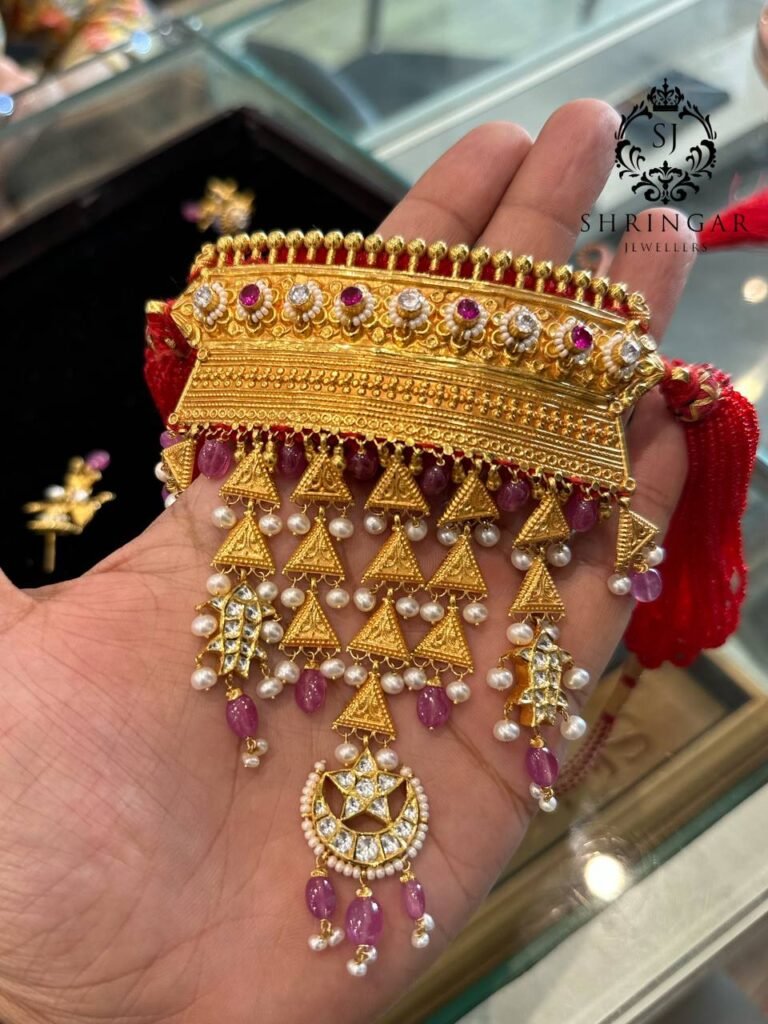
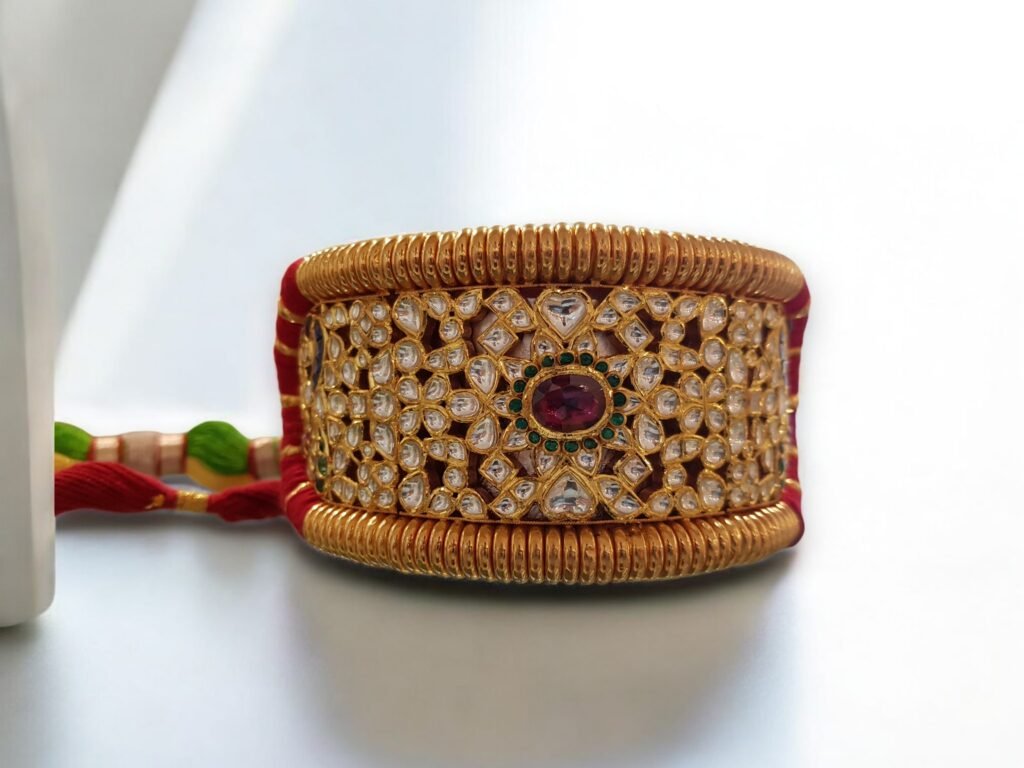
Gaurav Soni, jewellery designer and owner of Shringar Jewellers, believes that traditional jewellery continues to hold a special place even in modern times.
“Traditional jewellery is always in trend. Even today’s brides love wearing classic pieces, often adding their own customisations and personal touches. We experiment with colours and designs to give traditional jewellery a modern appeal while preserving its heritage,” he says.
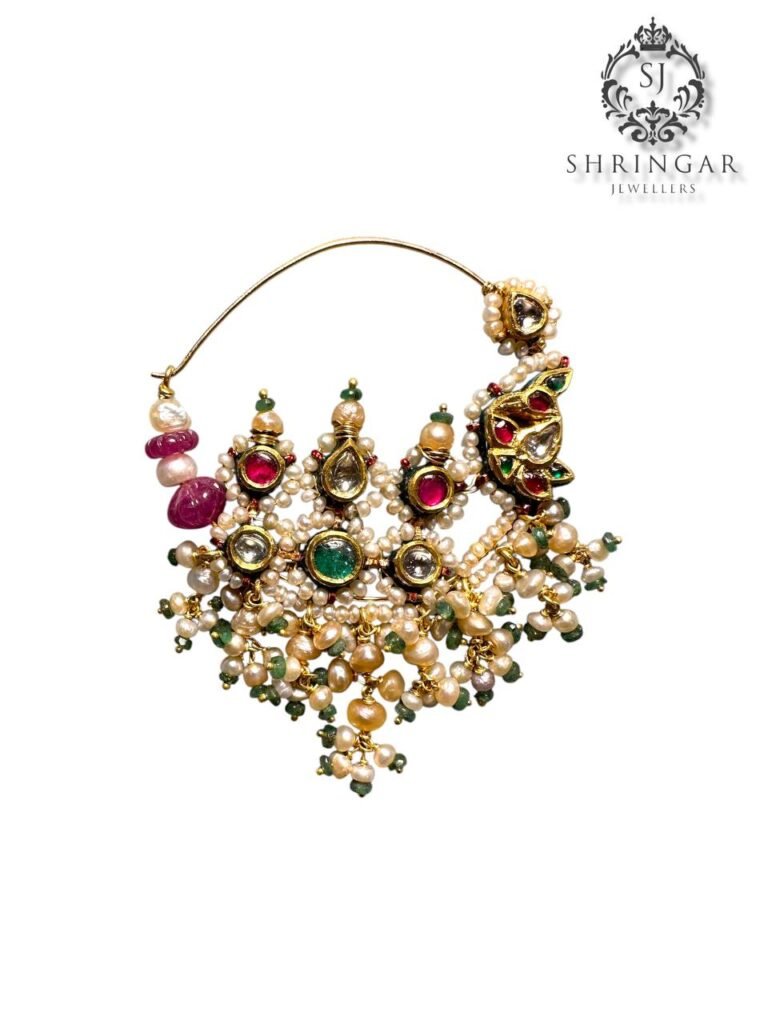
Soni adds that the continuity of craftsmanship plays an important role in sustaining this legacy. “The art of making traditional jewellery has been passed down through generations in our family. Our forefathers created such ornaments, and while we continue learning modern techniques, we remain committed to crafting traditional and heritage jewellery.”
Tradition that Continues to Shine
Historian Dr. Itiraj Sharma notes that traditional jewellery in Rajasthan has always combined artistic value with cultural significance. Even as design trends evolve, the craftsmanship behind these ornaments remains rooted in centuries-old traditions.
From the meticulous hands of artisans to modern jewellery studios, the legacy of Rajasthani jewellery continues to shine—carrying forward a heritage where craftsmanship, culture and creativity come together in every piece.