


As the Indian summer sets in with its intense heat and humidity, creating a comfortable indoor environment becomes essential. While cooling appliances offer temporary relief, the role of fabrics in shaping how a space feels is often underestimated. From breathable bedding to light-filtering curtains, the right textile choices can significantly impact comfort and livability.
In this insightful conversation, Vaishali Singhal, Founder and Creative Head of Saamro, speaks with Kanan Rathore about the science, aesthetics, and practicality of choosing the right fabrics for summer—offering a nuanced perspective that blends design sensibility with everyday functionality.
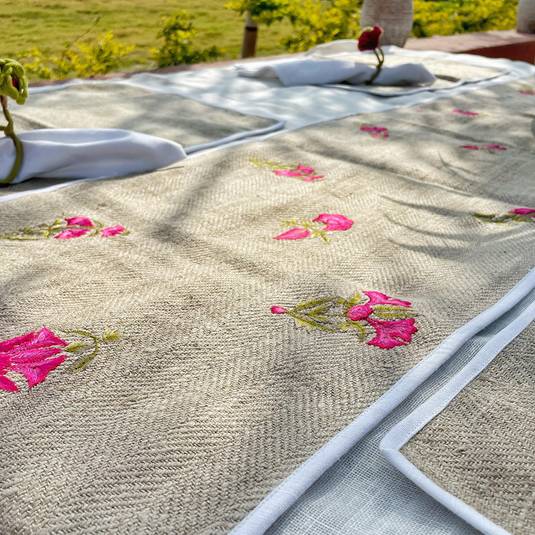
Q1. When we say a fabric is “summer-friendly,” what does that actually mean from a designer’s perspective?
Vaishali Singhal: A truly summer-friendly fabric is never defined by just one factor—it’s always a combination. Breathability allows air to circulate, moisture absorption helps handle sweat and humidity, and the openness of the weave determines how much heat is released. Fibre type also plays a crucial role, with natural fibres generally performing better. For me, a fabric is summer-friendly when it releases heat instead of trapping it and doesn’t hold onto moisture.
Q2. Cotton is often seen as the default summer fabric—what nuances within cotton actually matter?
Vaishali Singhal: We often assume cotton automatically means comfort, but the weave matters more than the label itself. In fact, a poorly constructed cotton can feel hotter than a well-made linen. Lighter weaves like voile or muslin are far more breathable, and an ideal thread count usually falls between 200–400. Pre-washed cotton is another detail people overlook—it tends to be softer and more breathable, making a noticeable difference in summer.
Q3. Linen is gaining popularity—what makes it ideal for hot climates, and are there drawbacks?
Vaishali Singhal: Linen works beautifully in hot climates because it offers maximum airflow and releases moisture very quickly, which naturally creates a cooling effect. However, it does come with its trade-offs—it wrinkles easily, can feel slightly rough to some, and is often more expensive. But if comfort is your priority over perfection, linen almost always wins.
Q4. How do weave and fabric construction impact heat retention or airflow?
Vaishali Singhal: The weave plays a direct role in how cool a fabric feels. A loose weave allows better airflow, which helps in cooling, while tighter weaves tend to trap heat. Fabrics like voile, linen, and lightweight percale are excellent for extreme heat because they have more openness in their structure—essentially, more gaps mean more cooling.
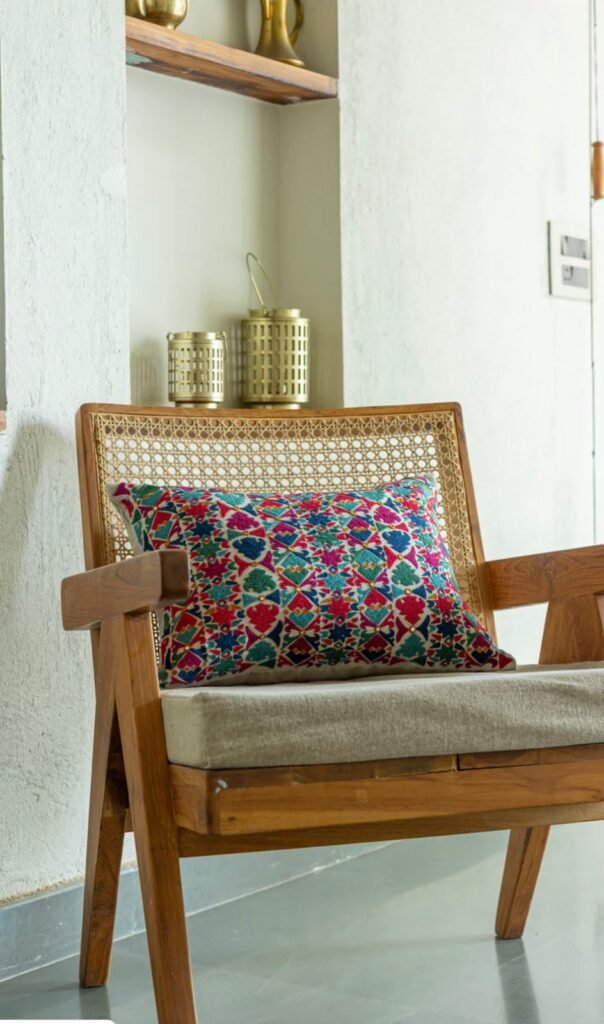
Q5. Do lighter colours really help in keeping spaces cooler?
Vaishali Singhal: Yes, they do make a real difference. Light colours reflect heat, while darker shades tend to absorb it. So beyond just aesthetics, colour choice can actually influence how warm or cool a space feels.
Q6. How do fabrics behave in humid conditions, especially in India?
Vaishali Singhal: Humidity changes everything. Cotton absorbs moisture well but can start to feel heavy if it doesn’t dry quickly. Linen, on the other hand, not only absorbs moisture but also dries faster, making it more comfortable. Polyester is the least suitable in such conditions because it traps sweat. In humid climates, drying speed becomes even more important than breathability.
Q7. What fabric elements should people switch first when summer arrives?
Vaishali Singhal: If you’re looking for maximum impact, start with bedding—it directly affects your comfort. Curtains come next, followed by cushions and throws. Upholstery can be adapted if needed, but even smaller changes can make a noticeable difference.
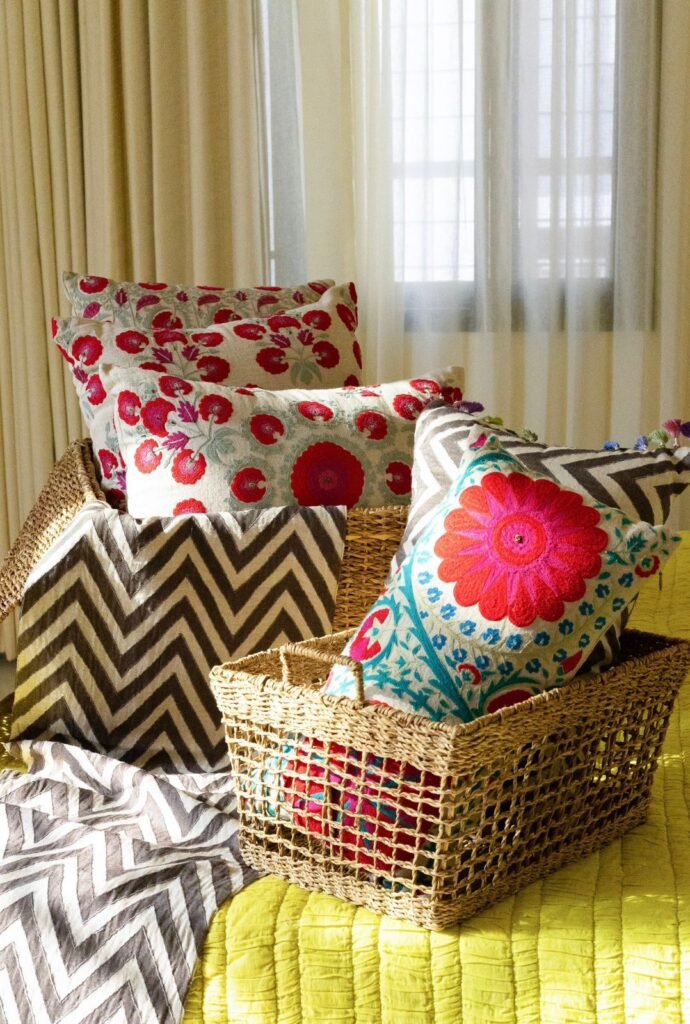
Q8. What should one look for in summer curtains?
Vaishali Singhal: It’s not just about choosing light colours. The fabric should ideally be cotton voile or linen, and the weight should be light. Layering also helps—a combination of sheer curtains with blackout layers works well. Sheer curtains, in particular, are great because they reduce heat while still allowing natural light to filter through.
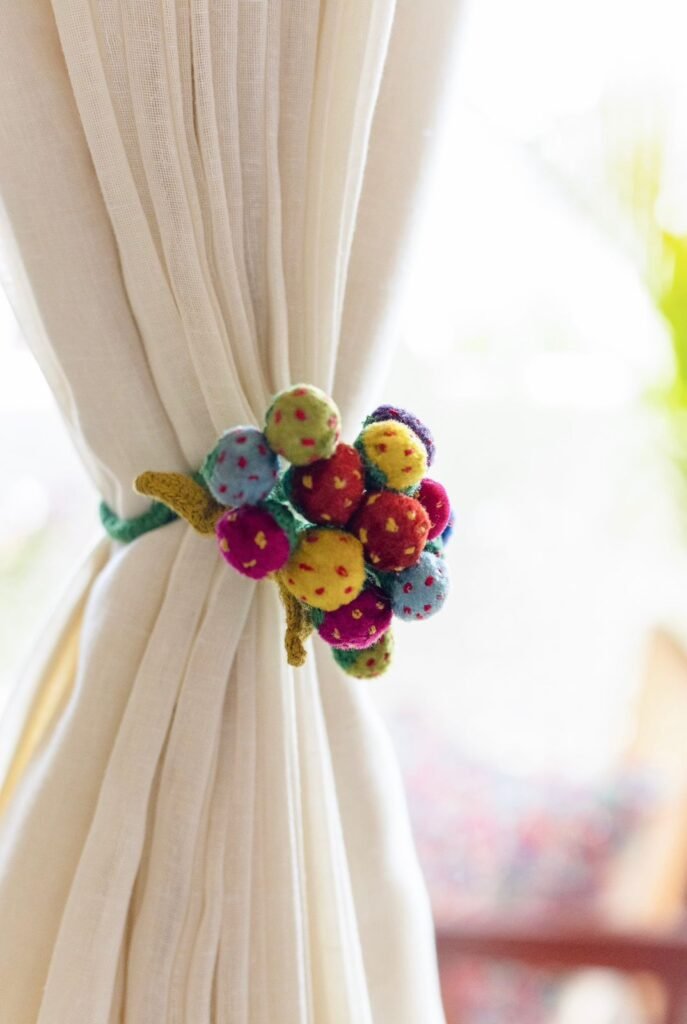
Q9. Are there better upholstery choices for summer?
Vaishali Singhal: Absolutely. It’s best to avoid heavy fabrics like velvet or leather during summer. Instead, opt for cotton slipcovers, linen blends, or even light canvas. Something as simple as switching cushion covers to natural fabrics can significantly improve comfort.
Q10. Can textures influence how cool a fabric feels?
Vaishali Singhal: Very much so. Smooth and lighter textures tend to feel cooler, while heavy or plush textures feel warmer. It’s both a physical and visual experience—what you see and what you touch together shape your perception of comfort.
Q11. What colours and patterns work best for summer interiors?
Vaishali Singhal: Lighter palettes like whites, pastels, and soft earthy tones work best. When it comes to patterns, minimal, small-scale, and nature-inspired designs feel more suitable. Dense, heavy prints tend to feel visually warm and can even create a sense of heaviness in the space.
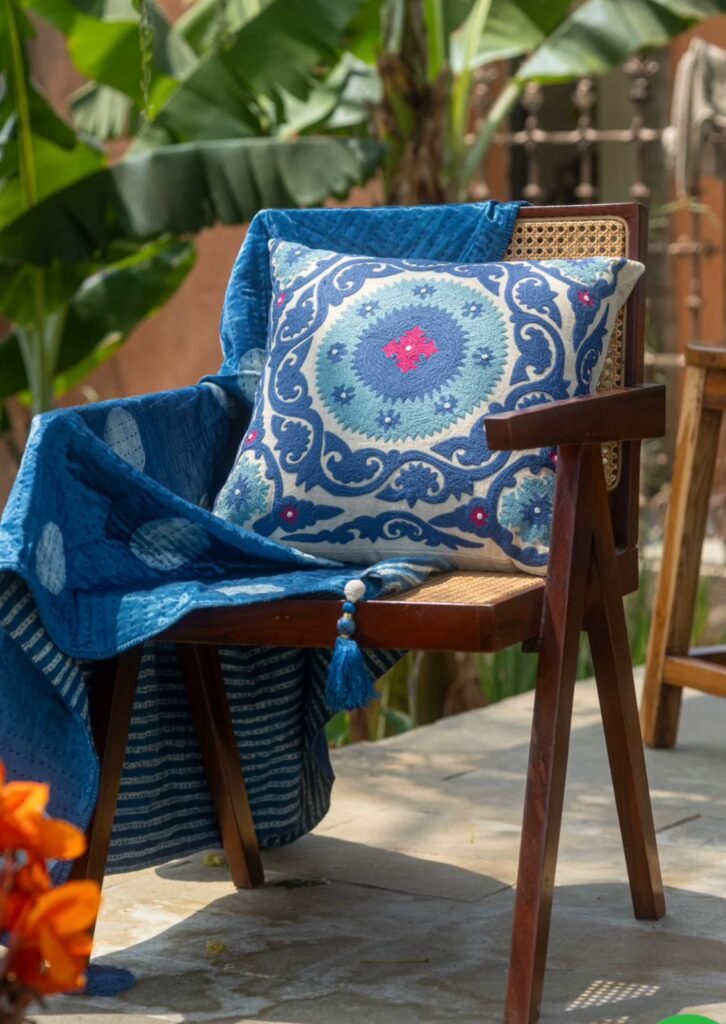
Q12. Is there a shift towards lighter, minimal fabrics in summer?
Vaishali Singhal: Yes, there’s definitely a growing inclination towards natural, airy fabrics. People are becoming more aware of how materials affect comfort, and the trend is clearly moving towards lighter, more breathable bases.
Q13. Are cotton and linen automatically sustainable choices?
Vaishali Singhal: Not necessarily. Cotton, while comfortable, comes with challenges like high water consumption, heavy pesticide use, and chemical-intensive processing. It becomes a better choice when you opt for organic cotton, BCI-certified cotton, or low-impact dyes. Linen, however, stands out because it requires less water, uses minimal pesticides, and is almost entirely waste-free. It’s one of those rare fabrics where sustainability and performance naturally align.
Q14. Are there any emerging eco-friendly fabrics for hot climates?
Vaishali Singhal: Yes, fabrics like hemp, Tencel, and bamboo blends are becoming increasingly relevant. They are breathable, moisture-wicking, and often perform even better than cotton in humid conditions.
Q15. What are some common mistakes people make while choosing summer fabrics?
Vaishali Singhal: One of the biggest mistakes is choosing fabrics based only on colour. People also tend to use thick cotton, keep heavy curtains year-round, and ignore upholstery altogether. But the biggest oversight is not adapting fabrics seasonally
Q16. What are some simple, budget-friendly changes people can make?
Vaishali Singhal: You don’t need a complete overhaul. Switching to percale bedsheets, adding sheer curtains, changing cushion covers, and removing heavy rugs or throws can instantly make a space feel lighter. Even reducing visual clutter through patterns can have a cooling effect.
Q17. How should one care for summer fabrics?
Vaishali Singhal: Keep it simple—wash in cold water, avoid heavy fabric softeners, and air dry whenever possible. Overdrying can damage the fabric. And with linen, it’s best to embrace the wrinkles—they’re part of its charm.
Q18. If you had to recommend just three essential changes to summer-proof a home?
Vaishali Singhal: I would say breathable bedding—like percale or linen—is the first step. Then switch to sheer or lightweight curtains, and finally opt for lighter cushion and upholstery fabrics. These three changes alone can make your home feel noticeably cooler without requiring major effort.

Conclusion
What emerges from this conversation is a simple yet powerful idea—comfort in summer is as much about thoughtful fabric choices as it is about cooling systems. By understanding how materials behave in heat and humidity, and by making small, intentional changes, one can transform living spaces into breathable, calming environments.
As Vaishali Singhal highlights, summer living is not about drastic changes but about mindful adaptations. And sometimes, the softest fabrics can make the strongest difference.