

The Kani Shawl traces its roots to the village of Kanihama in Kashmir, a cradle of textile artistry where generation after generation of artisans have woven stories into fabric. What began as intricate shawl weaving centuries ago has evolved into one of India’s most revered sartorial treasures.
Artistry beyond embroidery: The technique of Kanis
Unlike regular embroidered or printed textiles, each motif on a Kani shawl is not stitched or painted, it is woven directly into the fabric. Craftsmen use tiny wooden bobbins called kanis to interlace colored weft yarns onto a pashmina or wool warp, following complex, graph-paper-like patterns (known as talim). This labor-intensive process can take months, even years for a single shawl.
This structural weaving makes the shawl remarkably durable and grants it a depth and richness of texture that embroidery simply can’t match.
Royal roots: From Mughal courts to global luxury
The Kani shawl’s rise to prominence traces back to the era of medieval and Mughal-period patronage. It was cherished by Mughal emperors, Sikh maharajas, and later adopted by European aristocracy.
Some historical records note that during its peak, there were over 15,000 active Kani looms in the Kashmir Valley.
European nobility admired Kani’s elegance as much as Indian royalty, one iconic testament: portraits in major European museums show figures draped in authentic Kani shawls.
From diplomacy to stardom: PM Modi & Amitabh Bachchan champion the kani revival
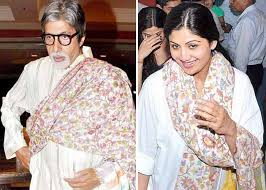
Today, the shawl is not just a royal relic, it’s a symbol of India’s modern cultural confidence. Prime Minister Narendra Modi has been seen wearing Kani shawls at high-profile global meetings, subtly placing Kashmiri craftsmanship on the world stage. Meanwhile, megastar Amitabh Bachchan, a long-time admirer of Indian textiles has been spotted draped in Kanis at prestigious events, inspiring fashion lovers across generations.
Their choices reflect more than style: it’s a tribute to artisanal heritage and a signal to the world that India’s craftsmanship is not just history it’s prestige.
Heritage under threat
The march of time political turbulence, economic shifts, mechanised alternatives took a heavy toll on Kani weaving. Many artisans abandoned the craft as it became harder to sustain livelihoods. But a few devoted families, notably from Kanihama, preserved the tradition, passing down intricate weaving techniques over generations.
Recognizing its cultural value, the shawl has been granted a Geographical Indication (GI) tag. This ensures only shawls woven in Kanihama using traditional methods can legally be sold as Kani shawls, helping safeguard authenticity and protect artisans.
From heritage to haute couture
Far from being a relic of the past, the Kani shawl has made a stylish comeback weaving itself into contemporary wardrobes. Recent sightings of prominent public figures wearing the shawl have brought renewed attention to the craft’s enduring elegance and relevance.
For many, owning a genuine Kani shawl is more than a fashion statement it’s wearing a piece of history, tradition, and artistry. In an age of fast fashion, it stands out as a testament to patience, craftsmanship and timeless beauty.
Why Kani Shawl matters today
The Kani Shawl isn’t just fabric it’s living heritage. Each piece encapsulates decades (or centuries) of tradition, skill, and cultural memory. As we move forward, valuing and preserving such craftsmanship becomes more than aesthetic appreciation it becomes a commitment to heritage, identity, and the artisans who make it possible.