

Origins and Founding Vision
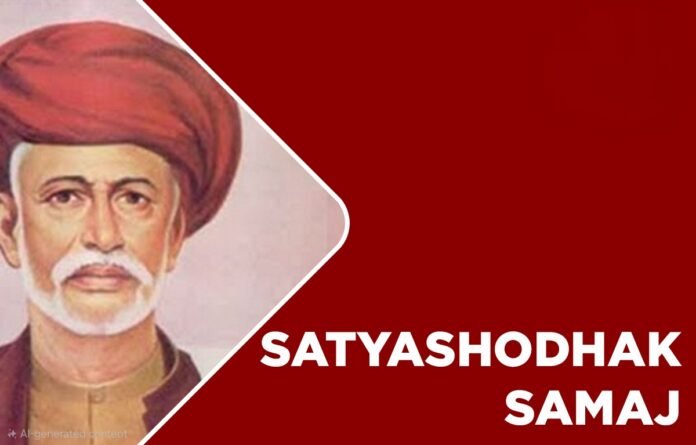
The Satyashodhak Samaj, meaning “Society of Truth Seekers,” was founded on 24 September 1873 by Jyotirao Govindrao Phule in Pune. It emerged as a powerful socio-religious reform movement during a time when Indian society was deeply divided by caste hierarchies and social inequalities. The Samaj aimed to challenge Brahmanical dominance and uplift marginalized communities, especially Shudras and Ati-Shudras (Dalits), through education, equality, and rational thinking.
Ideology and Objectives
At its core, the Satyashodhak Samaj sought to reconstruct society on the principles of equality, liberty, and justice. It rejected the notion of caste-based superiority and opposed the monopoly of priests in religious practices. Its guiding motto emphasized that God does not require intermediaries, promoting a direct and personal spiritual connection.
The organization had clear objectives: abolishing caste discrimination, promoting education for all—especially women and marginalized communities—encouraging rationalism, and advocating social reforms such as widow remarriage and inter-caste marriages.
Reforms and Activities
The Samaj was not merely ideological but actively implemented reforms. Savitribai Phule played a crucial role in advancing its educational mission by establishing schools for girls and underprivileged communities. Members of the Samaj also conducted marriages without Brahmin priests, promoted inter-caste dining, and rejected ritualism and idol worship.
Through writings like Gulamgiri and public awareness campaigns, Phule exposed caste oppression and economic exploitation. The movement also supported peasants’ rights and advocated fair treatment for laborers, linking social reform with economic justice.
Impact and Legacy
The Satyashodhak Samaj marked a turning point in India’s social reform history. It instilled a sense of self-respect among oppressed communities and laid the foundation for later anti-caste and social justice movements. Its ideas significantly influenced leaders like B. R. Ambedkar and contributed to broader movements such as the Non-Brahmin Movement and Dalit assertion.
Even after Phule’s death in 1890, the movement was revived by leaders like Shahu Maharaj and continued to shape policies related to education, reservation, and social equality in India.
Relevance in Modern India
Today, the ideals of the Satyashodhak Samaj resonate in India’s constitutional values of equality, justice, and dignity. Its emphasis on education, rational thought, and social inclusion continues to inspire efforts to combat caste discrimination and promote inclusive development.
The movement remains a landmark in India’s journey toward a more just and equitable society, reminding us that true progress lies in questioning injustice and empowering the marginalized through knowledge and unity.