

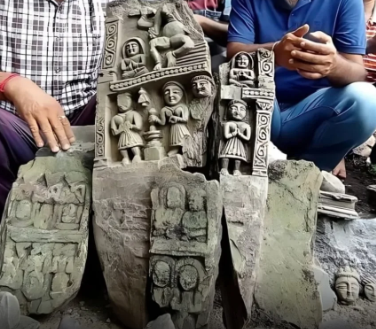
In a discovery that has stirred both reverence and curiosity, ancient Hindu relics—believed to be over 1400 years old—have been unearthed during a spring restoration project in Karkoot Nag, located in the Salia area of Aishmuqam, Anantnag district, Jammu and Kashmir.
A Glimpse into the Karkota Dynasty
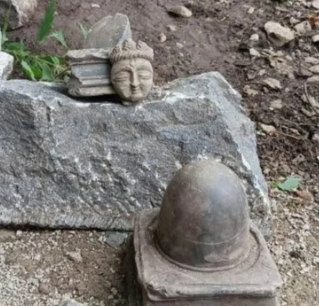
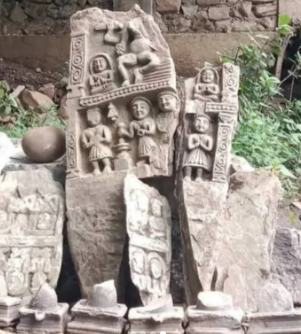
The site is historically linked to the Karkota dynasty, which ruled Kashmir between 625 and 855 CE. Labourers working under the Public Works Department (PWD) stumbled upon multiple Shivlings, deity sculptures, and carved stone fragments—suggesting the remnants of a once-thriving temple.
Archaeological Significance
Officials from the Department of Archives, Archaeology and Museums swiftly arrived at the site and took custody of the relics. These artifacts will be transferred to the SPS Museum in Srinagar for carbon dating and scholarly analysis to determine their precise age and historical context.
Local Sentiments and Cultural Reverence
For the Kashmiri Pandit community, the discovery is deeply emotional. Many locals believe the site was once a sacred pilgrimage center. A Kashmiri Pandit shared, “We’ve always heard that a temple stood here. Now that the idols have resurfaced, we hope a new temple will be built to honor them”.
Preservation and Future Prospects
While no official plans for religious or heritage tourism have been announced, the discovery has sparked calls for conservation efforts and the reinstatement of the Shivlings at the original site. Heritage activists are urging authorities to recognize the location’s sanctity and historical value.