

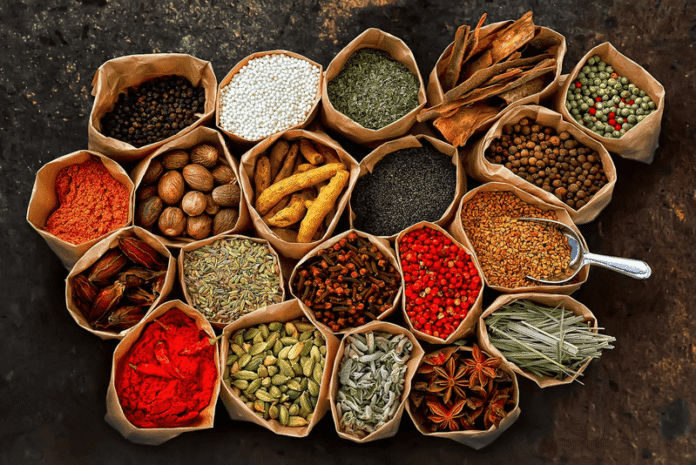
For centuries, India has been celebrated as the “Land of Spices”—a title rooted in its extraordinary diversity, quality, and historical influence. From ancient trade routes to modern global markets, Indian spices have not only shaped cuisines but also influenced economies, cultures, and even the course of world history.
A Land Blessed with Unmatched Spice Diversity
India is the largest producer, consumer, and exporter of spices in the world, cultivating a remarkable variety thanks to its diverse climates—from tropical coasts to arid plains.
Today, the country grows over 60 varieties of spices commercially, making it one of the richest spice-producing regions globally.
From the cardamom hills of Kerala to the dry landscapes of Rajasthan and Gujarat, each region contributes uniquely to India’s spice basket, creating a vibrant tapestry of flavors and aromas.
Spices India Popularised Across the World
India has long been at the heart of the global spice trade, introducing and popularising numerous spices across continents. Some of the most iconic include:
●Black Pepper – Known as the “King of Spices”, once so valuable it was used as currency
●Cardamom – The “Queen of Spices”, prized for its rich aroma
●Turmeric (Haldi) – A golden spice revered for its culinary and medicinal uses
●Cumin (Jeera) – A staple in cuisines across Asia, the Middle East, and beyond
●Coriander (Dhania) – Widely used in spice blends worldwide
●Ginger (Adrak) – Valued for both flavor and therapeutic benefits
●Fenugreek (Methi) and Fennel (Saunf) – Essential in Indian and global cooking
●Cloves, Nutmeg, and Mace – Key spices in historical trade networks
While some spices like chilli were introduced to India from the Americas, India played a crucial role in cultivating, adapting, and exporting them globally, making them integral to international cuisines.
India remains the largest producer of turmeric, contributing a significant share of global production and supply.
Uses of Indian Spices: Beyond Taste
Indian spices are far more than flavor enhancers—they are multi-functional ingredients with wide-ranging applications:
Culinary Uses
Spices form the backbone of Indian cuisine and are essential to global dishes. From curries to seasoning blends like garam masala, they add depth, aroma, and color.
Medicinal & Ayurvedic Uses
In Ayurveda , spices like turmeric, ginger, and black pepper have been used for centuries to:
●Boost immunity
●Improve digestion
●Reduce inflammation
Industrial & Commercial Uses
Spices are also used in:
●Pharmaceuticals (extracts and essential oils)
●Cosmetics and skincare products
●Food preservation and processing
●Perfumes and aromatherapy
India’s Spice Trade: A Global Powerhouse
India’s spice legacy continues to thrive in the modern economy.
●The country exports spices to over 200 countries worldwide
●Annual spice exports are valued at over USD 4 billion
●Major export destinations include the USA, China, UAE, Bangladesh, UK, and Germany
Leading Spice Exports:
●Chilli – India’s largest exported spice by value
●Cumin – Highly demanded in global markets
●Turmeric – Growing demand due to health benefits
●Mint products and spice oils – Key value-added exports
This thriving trade not only strengthens India’s global presence but also supports millions of farmers and workers across the country.
The Spice Route: A Legacy That Changed History
The global demand for Indian spices once drove explorers and traders to seek new routes to the East. The search for these precious commodities led to the discovery of sea routes by European powers, fundamentally reshaping global trade and geopolitics.
Spices were once worth their weight in gold—and India stood at the center of this lucrative exchange.
Final Thoughts
India’s richness in spices is not merely agricultural—it is historical, cultural, and scientific. From ancient Ayurvedic traditions to modern kitchens across the world, Indian spices continue to define flavors, heal bodies, and connect cultures.
Whether it is the warmth of turmeric, the fragrance of cardamom, or the sharpness of pepper, these spices are more than ingredients—they are a timeless legacy that continues to flavour the world.