

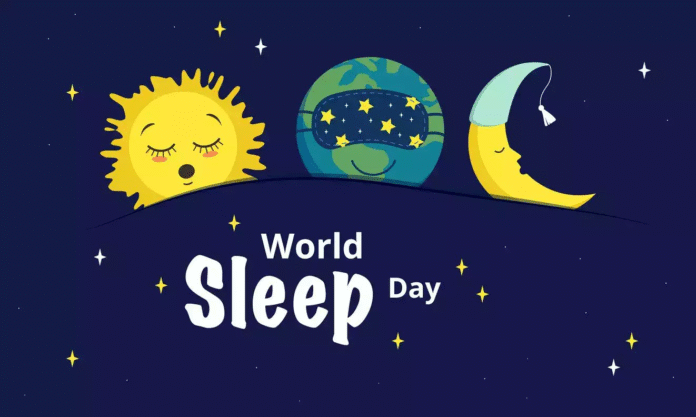
In an age of constant connectivity, busy schedules and increasing stress, sleep is often the first thing people sacrifice. Yet medical experts consistently emphasise that good sleep is as important as balanced nutrition and regular exercise. This message lies at the heart of World Sleep Day, a global awareness event observed every year on the Friday before the March equinox. In 2026, the day falls on March 13, drawing attention to the growing importance of healthy sleep habits.
Theme for 2026: Sleep Well, Live Better
The theme for World Sleep Day 2026 is “Sleep Well, Live Better.” The message highlights the direct link between quality sleep and overall well-being. Health experts note that proper sleep improves physical health, mental clarity, emotional balance and daily productivity. The campaign encourages people across the world to recognise sleep not as a luxury, but as a fundamental requirement for a healthy life.
The Science Behind Sleep
During sleep, the body performs several essential functions. The brain processes memories, repairs tissues, regulates hormones and removes metabolic waste accumulated during the day. Adequate sleep also helps strengthen the immune system and maintain cardiovascular health.
According to health specialists, most adults require 7–9 hours of sleep each night for optimal functioning. However, lifestyle factors such as long working hours, irregular schedules and excessive screen exposure have made sleep deprivation increasingly common.
The Rising Challenge of Sleep Disorders
Millions of people worldwide suffer from sleep-related conditions that affect both the quality and duration of sleep. Some of the most common disorders include Insomnia, where individuals struggle to fall or stay asleep, and Sleep Apnea, a condition in which breathing repeatedly stops and starts during sleep. Chronic sleep problems can increase the risk of serious health conditions such as Hypertension, Diabetes and Obesity.
Simple Habits for Better Sleep
Experts recommend maintaining a consistent sleep schedule, limiting caffeine intake in the evening, reducing screen exposure before bedtime and creating a calm, comfortable sleep environment.
A Global Reminder
Through awareness campaigns and educational initiatives, World Sleep Day encourages people to rethink their relationship with rest. In a world that often celebrates constant productivity, the observance serves as a reminder that sleep is not wasted time—it is the foundation of a healthier, more balanced life.