

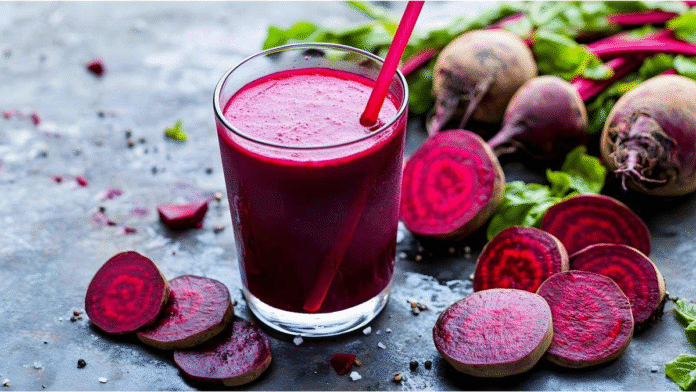
Winter wellness: The beetroot boost your body didn’t know it needed
Most people drink beetroot juice for its colour, but its power goes far deeper. As nutritionists explain, having beetroot juice on an empty stomach dramatically improves your body’s uptake of iron, vitamins and antioxidants because no competing foods interfere with absorption. This becomes even more crucial in winter, when our metabolism slows and blood pressure tends to fluctuate.
Beetroot’s natural nitrates help in lowering blood pressure, improving oxygen flow, and supporting heart health, something especially beneficial in the colder months when circulation often drops. Its fibre also keeps digestion stable, an underrated winter challenge.
When the season changes, so should your plate
Modern diets have become so uniform that we forget our bodies intuitively respond best to what grows in the current season. Winter produce: carrots, radish, amla, spinach, bathua was designed by nature to strengthen the body exactly when it needs protection.
Carrots, for example, are at their sweetest in winter because the cold converts starch into natural sugar. This not only makes them tastier but also richer in beta-carotene, which boosts immunity and supports vision.
Radishes work silently to detoxify the liver, helping the body handle heavier winter meals.
Amla becomes a natural vitamin C powerhouse, giving the body antioxidant support that no supplement can replicate.
Greens that warm the body and calm the gut
Spinach and bathua are winter’s most healing greens, yet most people don’t know that their mineral profile actually helps maintain body warmth. Bathua in particular has a gentle gut-healing effect; traditional households even use bathua raita as a home remedy for winter bloating and acidity. These greens provide folate, iron and fibre that urban diets often lack, making them essential for fighting seasonal fatigue.
Nature’s winter secret: timing is everything
Beetroot juice works best on an empty stomach in the morning, while amla is most effective if eaten fresh or as murabba during daytime. Carrots and greens are best consumed for lunch, when digestion is stronger. Radish, surprisingly, is best eaten before sunset to prevent gas.
Winter nutrition is not about trends, it’s about returning to rhythms our ancestors trusted. And your body still trusts them too.