

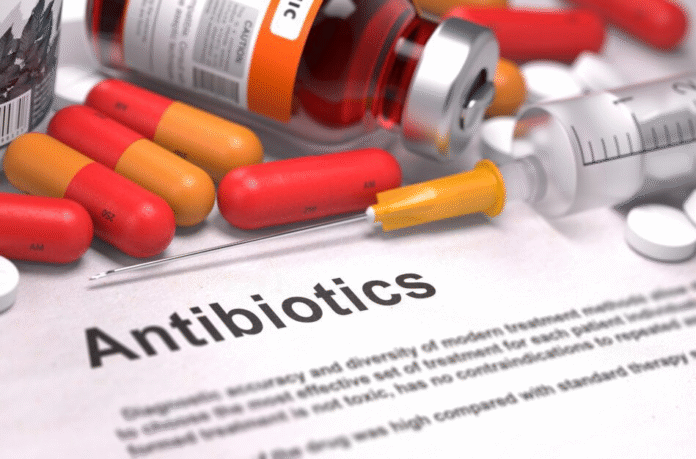
Antibiotics: According to a new WHO report released in October 2025, one in every six lab-confirmed bacterial infections worldwide in 2023 was resistant to standard antibiotic treatments a dramatic wake-up call for global health. (World Health Organization) Between 2018 and 2023, antibiotic resistance increased in over 40% of pathogen-antibiotic combinations monitored, with many common infections now growing harder to treat.
For India, the timing couldn’t be worse. The country already carries a high burden of bacterial diseases. Now, with overuse and misuse of antibiotics from over-the-counter sales to widespread self-medication resistant “superbugs” are quietly spreading across communities and hospitals alike.
What’s going wrong: Why antibiotics are losing their power
Antibiotic resistance also referred to as antimicrobial resistance (AMR) happens when bacteria adapt so they are no longer killed by medicines that once cured them. Overuse, misuse, inappropriate dosing, and unnecessary prescriptions accelerate this process.
In India, the problem is compounded by a fragile health-system setup: many regions lack robust diagnostics, infection-control protocols are weak, and antibiotics remain easy to obtain without proper prescriptions. Even basic viral illnesses often get treated with antibiotics a misuse that fuels resistance.
Compounding the problem, drug-resistant bacteria are thriving not just in hospitals, but in environments too. Contaminated water, waste from pharmaceutical plants, hospital effluents, and agricultural runoff all contribute to spreading resistance genes in soil and water meaning the “superbug threat” is no longer confined to patients, but affects entire communities.
India’s numbers are alarming and getting worse
Recent studies paint a grim picture. In one survey across Indian hospitals, 83% of patients were found carrying drug-resistant bacteria far higher than in countries like Italy (31.5%) or the United States (20.1%). (India Today) Many pathogens common in India such as Escherichia coli, Klebsiella pneumoniae, and Acinetobacter baumannii now resist widely used antibiotics, including third-generation cephalosporins, fluoroquinolones, and even last-resort drugs like carbapenems.
In many cases, this means ordinary infections urinary tract infections, gastrointestinal infections, even common fevers can turn dangerous, treatment-resistant, expensive, and sometimes fatal.
Why India is especially vulnerable more than just medicine
Several factors make India a hotspot for AMR:
High disease burden: more infections mean more antibiotic use, which accelerates resistance.
Unregulated antibiotic access: many people self-medicate, stop treatment midway, or use antibiotics even for viral illnesses.
Healthcare & environmental gaps: poor hygiene in hospitals, lack of strict infection control, and antibiotic pollution from manufacturing and agriculture.
Weak surveillance & data gaps: limited lab capacity and inconsistent reporting makes it difficult to track and control the spread.
Put together, these factors create a perfect storm, where resistant bacteria multiply silently often before anyone even knows.
What this means and what needs to be done now
The stakes are high: if antibiotic resistance continues rising unchecked, many routine medical procedures such as surgeries, childbirth, cancer treatment and even minor infections will become unpredictable and risk-laden.
Experts stress urgent action: strengthening regulation of antibiotic prescriptions; enforcing strict hygiene and infection control protocols in hospitals; expanding surveillance networks; promoting public awareness; and perhaps most crucially, reducing misuse of antibiotics in health care, livestock and agriculture.
The recent expansion of data-sharing under WHO’s surveillance programme is a step forward. Now, countries (including India) must act with policy, resources, and public cooperation before the “superbug” crisis overturns decades of medical progress.
In short: the rise of antibiotic resistance is no longer a distant threat it’s here, and hitting hard. For India, this could spell a public health disaster unless we treat antibiotics with the respect they deserve. The world can and must still use these powerful medicines. But only if we use them wisely.