

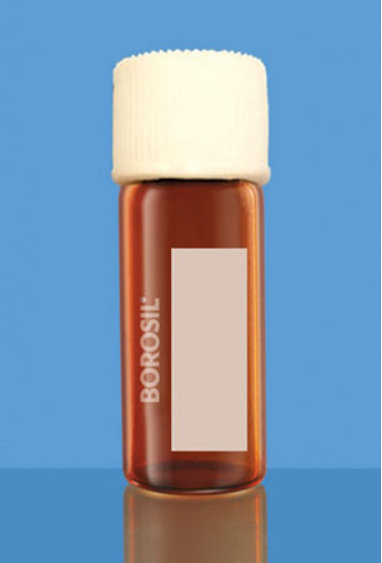
The medical and pharmaceutical industries most commonly use glass vials. These are tough, chemically resistant and very good at maintaining the purity of their content. They are indispensable for packaging, storage and transportation. These vials are critical to holding pharmaceutical products, like life-saving medicines, as well as laboratory samples. This guide discusses the advantages of glass vials and their role in ensuring safety, quality, and reliability.
The Material Advantage: Why Glass Vials?
Glass is a versatile material that has stood the test of time in the pharmaceutical industry. It has the following unique properties, making it ideal for sensitive applications:
- Chemical Stability: Borosilicate glass is chemically inert, meaning it does not interact with the substances it holds. This property is critical for medications, especially injectable drugs.
- Resistance to contamination: Glass, unlike plastics, does not contaminate products and does not leach unhealthy chemicals into them.
- Durability: Borosilicate glass vials are strong and can withstand most manipulation and storage conditions without affecting the integrity of their contents.
- Versatility: It is available in clear or amber variants and is suitable for light-sensitive products.
Laboratory vials are available in a range of volumes, from 1 ml to 100 ml, which meet a wide variety of medical and laboratory needs.
Types of Glass Used in Pharmaceutical Vials
The quality and effectiveness of glass vials largely depend on the type of glass used in their manufacturing. Leading manufacturers like Borosil Scientific use high-quality global tubing sources like Schott glass tubing in their production. Here are the different types of glass used for making vials:
- USP Type I Glass: This type is borosilicate glass. It has high resistance to thermal shock and chemical reactions. It is ideal for sensitive products such as vaccines, injectable drugs and biologics.
- USP Type II and III Glass: This type is soda-lime glass. It is suitable for less reactive substances and is mainly used in oral medications. Syrups, tablets and powders.
Picking the right glass type ensures that the glass is compatible with the content and helps extend the shelf life of the product.
Applications of Glass Vials in Pharmaceuticals
Glass vials are used in a variety of pharmaceutical applications where the material is required to have specific properties. Listing some of the common use cases below:
Injectable Drugs
Glass vials are essential containers for injectable drugs, like vaccines, biologics, and antibiotics. To remain effective and safe for use on humans, such substances must remain completely sterile; otherwise, external contaminants may find their way into the chemical compound, threatening medical treatments. The non-reactive nature of glass ensures the stability of these complex compounds, preserving their chemical composition over time. This makes glass vials ideal for use in pharmaceuticals, where dependability and accuracy are of extreme importance.
Sample Storage in Laboratories
The safe storage of analytical samples and solutions in laboratories relies on glass vials. Analytical samples are sensitive to contamination, and the integrity of the sample must be preserved. In this regard, glass vials protect against cross-contamination and can withstand many environmental factors that might otherwise compromise the stored materials. The range of solvents and reagents to which they are compatible adds to their utility. They have, therefore, become a preferred choice for most sampling requirements in the laboratory where accuracy is important.
Chemical and Biochemical Research
The safe transportation and storage of volatile compounds are necessary for chemical and biochemical research. These materials require packaging that is highly resistant to chemicals and durable to stabilise the material while being handled. Amber-coloured glass vials are ideal for this application. The amber tint protects sensitive compounds from UV light, thus preserving their molecular integrity. This characteristic mainly makes amber glass vials especially useful for photodegradable compounds and an asset in highly advanced research applications.
Advantages of Glass Vials
Here’s a quick recap of the several advantages of using glass vials.
- Good Strength: Glass vials are strong and resistant to mechanical stress and thermal fluctuations. This ensures that the product is safe from damage during transport and storage.
- Sterility: Their impermeability to air and moisture keeps them sterile, which is vital for sensitive pharmaceuticals.
- Protection from Light: Amber glass vials provide excellent protection against UV light, extending the shelf life of photosensitive medications.
- Environmental Benefits: Unlike single-use plastics, glass vials can be recycled and reused, which contributes to sustainability objectives.
Special Treatments for Increased Performance
Some drugs, especially those that are sensitive to changes in pH, require special vials.
- pH Resistance: Special treatments minimise interactions with acidic or basic contents.
- Customisation Options: Vials can be equipped with identification bands or ceramic printing for easy traceability.
The use of high-quality treated glass ensures compatibility with various pharmaceutical formulations.
Tips for Easy Maintenance and Handling of Glass Vials
Handling glass vials with care is crucial to maximise their utility and maintain sterility. Follow the tips below to get the most out of your vials.
- Regular examination for chips or cracks that could breach sterility is a given.
- Rinse the vials in sterilised water before autoclaving, ensuring no residues remain.
- Store in designated racks or compartments to prevent breakages during transfer.
Challenges of Using Glass Vials
Some of the challenges of using glass vials are:
- Fragility: Even though glass is relatively strong, it can break if not handled properly.
- Higher Costs: Glass vials cost more than plastics initially, but the benefit outweighs the price in the long run.
- Heavier Weight: Glass is heavier than other materials, which raises transportation costs.
Glass Vials vs Other Packaging Materials
| Property | Glass Laboratory Vials | Plastic Vials |
| Chemical Resistance | High, non-reactive with contents | Moderate, can leach substances |
| Durability | Robust but fragile under impact | Impact-resistant but less durable |
| Sterility | Excellent, impermeable to air and moisture | Limited, prone to environmental exposure |
| Recyclability | 100% recyclable and reusable | Limited, often single-use |
Conclusion
Glass vials are a vital part of pharmaceutical and laboratory set ups. They provide chemical stability, sterility, and durability. This makes glass vials the best choice for storing and transporting sensitive materials. Their reliability is unparalleled, from injectable medications to laboratory research and chemical storage. Browse the range of tubular glass laboratory vials and other packaging materials that premium distributors such as Borosil Scientific offer before purchasing.