

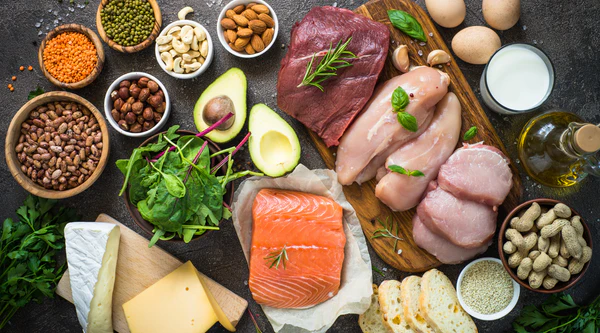
Protein Deficiency: For decades, India has followed the global benchmark of 0.8 g/kg/day as the minimum protein requirement. But experts now warn that this number is designed for survival, not long-term health and is dangerously outdated for a country battling widespread nutritional gaps.
The alarming protein gap in India
Studies reveal that 7 out of 10 Indians are protein-deficient, and over 90% don’t even realise it. According to IMRB, 73% of Indian diets lack adequate protein, while many mistakenly believe carbohydrates like roti, rice, or biscuits count as protein.
The consequences are severe: 1 in 3 children under five is malnourished (NFHS-5), 60% of women are anaemic and older adults face rising sarcopenia and frailty, worsened by low protein intake
Adequate vs Optimal: Why 0.8 g/kg isn’t enough
While ICMR recommends around 0.8–1.0 g/kg/day, global research shows that 1.6–2.2 g/kg/day is more effective for maintaining muscle, supporting immunity, and preventing age-related decline.
In India, the dominance of plant-based diets further complicates this, plant proteins have lower digestibility and incomplete amino acid profiles.
Cultural nyths & misconceptions
Protein in India still suffers from the stigma of being “gym food.” Urban diets have shifted from dals and pulses to sugar-heavy, carb-dense meals. Meanwhile, the protein supplement market is booming but everyday protein intake remains low.
Concerns about “too much protein harming kidneys” are largely unfounded for healthy individuals. The real danger lies in chronic under-consumption, not excess.
A policy reset: Protein must be a priority
India’s nutrition programs still focus heavily on calories, not protein. Experts call for: Upgrading PDS and mid-day meals to include eggs, soy, and pulses, incentivising farmers to grow protein-rich crops and mass awareness campaigns similar to iodised salt and polio drives
The Bottom Line
India’s protein crisis is not a fitness trend, it’s a public health emergency. To combat malnutrition, rising lifestyle diseases, and ageing-related weakness, protein must move from the sidelines to the centre of national nutrition policy.
Only then can India build a healthier, stronger future.