

By Nirjala
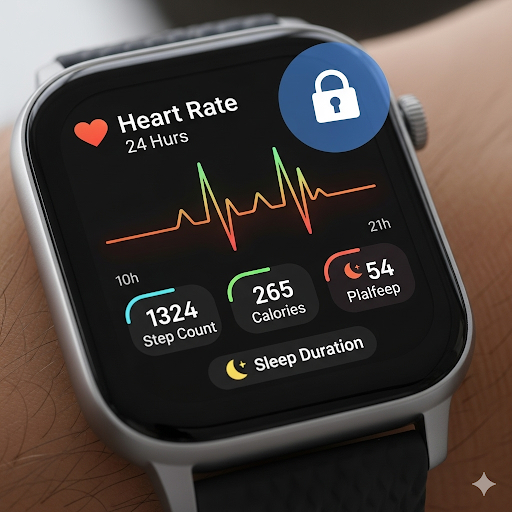
Smartwatches have revolutionized how we track fitness, monitor health, and stay connected. From counting steps to measuring heart rates, these devices offer undeniable benefits. However, prolonged and improper use can lead to health concerns that are often overlooked. This article explores the potential downsides of wearing a smartwatch and provides practical tips to minimize risks while maximizing its benefits.
Physical Health Risks of Smartwatches
- Skin Irritation and Circulation Issues
Wearing a smartwatch too tightly or for extended periods can cause skin irritation or disrupt blood circulation. A tight strap may exert pressure on nerves, leading to tingling or numbness in the hands. To avoid this, ensure the watch fits comfortably—neither too tight nor too loose—and give your wrist periodic breaks, especially at night. Removing the watch during sleep is ideal unless you’re tracking sleep data, in which case a proper fit is crucial.
- Exposure to Electromagnetic Field (EMF) Radiation.
Smartwatches emit low levels of EMF radiation, which may pose health risks with long-term exposure. Some studies suggest that prolonged EMF exposure could cause headaches or disrupt sleep patterns due to frequent notifications. While conclusive evidence on severe health impacts is limited, it’s wise to limit continuous wear to reduce potential risks.
- Harmful Chemicals in Watch Bands
Certain smartwatch bands, particularly those made with synthetic materials, may contain harmful chemicals like PFHxA (perfluorohexanoic acid). These chemicals can be absorbed through the skin, potentially leading to health risks over time. Opt for hypoallergenic or high-quality bands and replace them if signs of wear or irritation appear.
Accuracy Limitations Across Skin
TonesSmartwatches rely on optical sensors to measure heart rate, but their accuracy can vary depending on skin tone. Studies indicate that heart rate monitoring may be less precise for individuals with darker skin compared to those with lighter skin. This discrepancy can lead to unreliable health data, which may affect fitness tracking or medical self-management, potentially causing unnecessary worry or mismanagement of health conditions.
Mental Health and Behavioral Impacts
- Increased Anxiety from Constant Monitoring.
The obsession with tracking every step, calorie, or heart rate fluctuation can lead to mental stress and anxiety. Alerts for low step counts or irregular heart rates—especially false positives—can create unnecessary worry, particularly for individuals managing chronic conditions. This hyper-awareness may contribute to a cycle of stress and overthinking about health metrics.
- Distraction and Reduced Focus
Frequent notifications from a smartwatch can disrupt focus and productivity, leading to irritability or eye strain from constantly checking the device. The habit of glancing at your wrist for every ping can interfere with work, social interactions, or relaxation, impacting overall well-being.
Tips to Minimize Smartwatch Health Risks
- Limit Continuous Wear
Avoid wearing your smartwatch 24/7, especially during sleep, to give your skin and body a break. Removing it at night can prevent skin irritation and reduce EMF exposure, while also promoting better sleep hygiene. If you must wear it for sleep tracking, ensure the strap is not too tight to avoid nerve compression.
- Manage Notifications Wisely
Reduce stress by disabling non-essential notifications. Customize your smartwatch settings to prioritize alerts that matter, such as calls or fitness goals, while muting unnecessary app notifications. Establishing a routine for checking your watch can also help maintain focus and reduce eye strain.
- Choose Safe Materials
Select smartwatch bands made from skin-friendly materials to minimize the risk of chemical exposure or allergic reactions. Regularly inspect and clean your band to prevent irritation from sweat or debris buildup.
- Be Mindful of Data Interpretation
Understand the limitations of smartwatch data, especially for heart rate monitoring across different skin tones. Avoid over-relying on the device for medical decisions, and consult healthcare professionals for accurate diagnoses or health concerns.
Use your smartwatch wisely to stay healthy and connected without compromising your well-being.
While smartwatches are powerful tools for health and fitness tracking, they come with potential health risks that users should not ignore. From physical issues like skin irritation and EMF exposure to mental health challenges like anxiety and distraction, prolonged or improper use can take a toll. By wearing your smartwatch mindfully, limiting notifications, and choosing safe materials, you can enjoy its benefits while safeguarding your health. Balance is key—let your smartwatch enhance your life, not control it.