

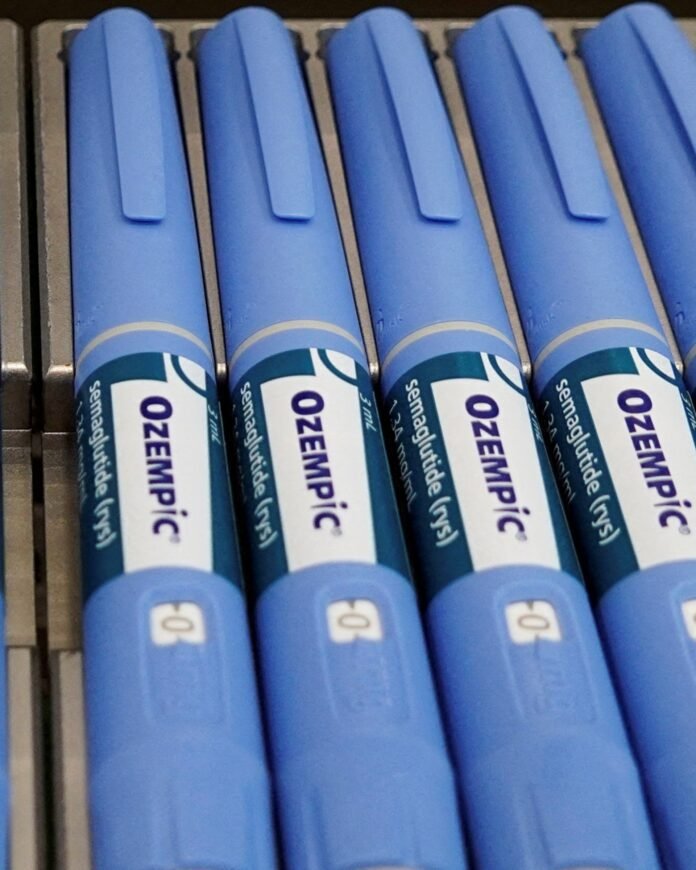
India is witnessing a major healthcare shift. Following the expiry of the patent for semaglutide—the active ingredient in Ozempic—several Indian pharmaceutical companies have launched significantly cheaper generic versions of the drug. Prices have dropped by as much as 50–80%, with some treatments now costing a fraction of the original brand.
This has opened access to millions of patients, especially in a country with a large burden of diabetes and obesity. However, experts and regulators are also raising concerns about misuse, over-prescription, and safety monitoring as availability rapidly expands.
So, what exactly is Ozempic—and what should you know before considering it?
What Is Ozempic?
Ozempic is a prescription medication used to treat Type 2 Diabetes. It contains semaglutide, a GLP-1 receptor agonist that:
●Helps control blood sugar
●Slows digestion
●Reduces appetite
This is why it has also gained global popularity for weight management, though it is not originally designed as a cosmetic weight-loss drug.
10 Important Things You Must Know Before Taking Ozempic
1. It’s Not a “Weight-Loss Shortcut”
While widely used for weight loss, Ozempic works best when combined with diet and exercise. Without lifestyle changes, results are limited—and often temporary.
2. It Requires Long-Term Use
Stopping the medication can lead to weight regain and rising blood sugar levels, meaning it is typically a long-term commitment.
3. It’s a Weekly Injection
Ozempic is taken once a week via injection in the abdomen, thigh, or upper arm—making it convenient but still requiring discipline.
4. It Is Only for Type 2 Diabetes
It should not be used for Type 1 Diabetes or as a replacement for insulin therapy.
5. Common Side Effects Are Digestive
Many users experience:
•Nausea
•Vomiting
•Diarrhea or constipation
These are especially common in the early stages of treatment.
6. Serious Thyroid Warning
Ozempic carries a boxed warning about thyroid C-cell tumors. It should be avoided if there is a history of:
•Medullary thyroid cancer
•MEN 2 syndrome
7. Risk of Pancreatitis
Severe abdominal pain could indicate pancreatitis, a rare but serious side effect that requires immediate medical attention.
8. Kidney and Eye Complications
There is a risk of:
•Kidney injury (especially with dehydration)
•Worsening diabetic eye disease
Regular monitoring is essential.
9. Generics Are Cheaper—But Not Risk-Free
India’s new generic versions are making treatment far more affordable, with dozens of brands entering the market.
However, experts warn that increased access could lead to:
•Self-medication
•Misuse for cosmetic weight loss
•Inconsistent medical supervision
10. Always Consult a Doctor First
Before starting Ozempic, discuss:
•Existing health conditions
•Pregnancy or breastfeeding
•Cost and long-term affordability
This is not a medication to start casually.
Final Takeaway
The arrival of cheaper semaglutide drugs marks a turning point in global healthcare access—especially in countries like India. What was once an expensive, elite treatment is now becoming widely available.
But with greater access comes greater responsibility.
Ozempic is not just a trend—it is a powerful medical therapy that must be used carefully, under supervision, and alongside lifestyle changes. Understanding both its benefits and risks is the key to using it safely and effectively.