

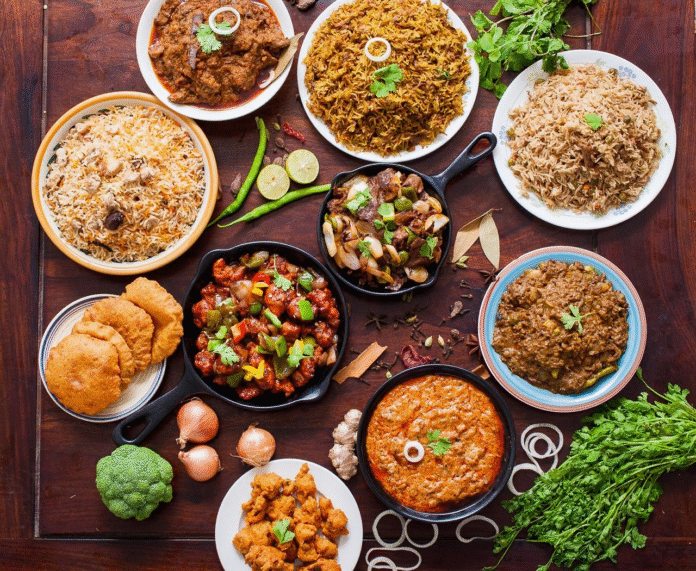
From street staples like Tibbs Frankie to luxury hotels such as Hilton, The Leela, and The Oberoi—and now Mumbai’s icons Cream Centre and Bademiya—plant-protein dishes are becoming smart, affordable options for vegetarians, vegans, and meat-eaters alike.
A quiet but powerful transformation is sweeping India’s food landscape. From highway dhabas to cloud kitchens, and from iconic eateries to five-star dining rooms, plant protein is no longer a niche substitute—it’s fast becoming a mainstream menu essential. High-protein biryanis at EatFit, tandoori chaap at Cream Centre, rich curries at Bademiya, and protein-forward frankies at Tibbs all reflect how plant-based alternatives are redefining everyday dining.
At the heart of this evolution is GoodDot, a pioneer in India’s plant-protein space. With ambient-stable, high-protein, easy-to-cook offerings, GoodDot is enabling restaurants and institutional kitchens to serve nutritious, scalable, and cost-effective meals. Its flagship Pro Chaap delivers 64% protein and a year-long shelf life, while its soya- and pea-protein-based formats—granules, chunks, and ready-to-use curries—seamlessly adapt across grills, tandoors, tawas, and gravies.
Cloud kitchen brand Charcoal Eats has rolled out protein-rich biryanis and curries, highlighting growing demand. “In India today, awareness around protein deficiency is rising sharply—73–80% of the population falls short of protein intake, especially in vegetarian households,” says Krishnakant Thakur, Co-founder, Charcoal Eats. “Partnering with GoodDot allows us to deliver the nutrition-forward, delicious alternatives customers want.”
Legacy restaurants are also embracing this shift. Cream Centre, with a 65-year heritage, now offers Tandoori Soya Chaap and Soya Chaap Butter Masala at its Mumbai outlets. CEO Rishi Chona explains, “We sampled many products, but GoodDot’s quality and texture stood out. It gives vegetarians healthy, high-protein options across cuisines.” Similarly, Bademiya, established in 1946, has integrated GoodDot’s chaap into its vegetarian menu. Proprietor Salman Shaikh notes, “Clients appreciate the authentic taste paired with our signature masalas, and feedback has been very positive.”
Meanwhile, Tibbs Frankie has launched ProtiRoti®️, a plant-protein range of rolls delivering 25% of the daily protein requirement. “We wanted a wholesome yet tasty solution for protein deficiency,” says Harpreet Singh Tibb, Promoter, Tibbs Foods. “The response has been encouraging.”
With no cold chain dependency, competitive pricing, and strong nutritional credentials, plant proteins often outperform paneer or chicken in value. Brands from Absolute Barbecues to Compass Group, and hotels like Taj, The Leela, Radisson, JW Marriott, and Raffles, are integrating plant-based dishes to meet evolving consumer and sustainability goals.
GoodDot, ranked #2 in India’s Ready-to-Cook & Eat category by LabelBlind and cited by The Economist as a global best practice for achieving UN SDGs, is also expanding internationally to Canada, Dubai, Singapore, South Africa, and more. In India, it operates across 19 cities and online platforms, while supplying premium properties nationwide.
For a country where up to 80% of people face protein deficiency, this plant-protein evolution is more than a trend—it’s a transformation in how India eats, cooks, and thinks about nutrition.