

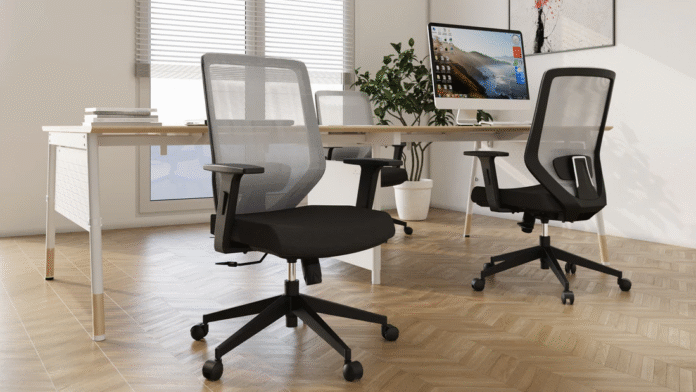
Body weight is one of the aspects that is generally ignored. It is likely that when sitting on a chair that lacks the necessary support and is not actually designed to serve your purpose, it can be incredibly uncomfortable, extremely troublesome for your posture, and eventually result in long-term health complications.
Understanding how the design of chairs and load limits can be employed will enable one to make a more intelligent, sustainable decision.
Is Weight Capacity Important in Selecting Chairs
Yes, the weight capacity is a sensitive factor when evaluating the performance of office chairs, not to mention user comfort. Every chair would have its weight range within which it could carry, and when the range is surpassed, this could affect the safety and ergonomics of such a chair.
Why weight capacity matters:
- It will ensure the chair can support the user without causing structural strain.
- It is helpful in the preservation of the correct posture and spinal alignment.
- It helps prevent premature wear and tear on components such as the gas lift and base.
- It lowers the potential of unstable chairs or their sudden failure.
The chair whose weight-supporting capacity is low might end up causing poor lumbar support and uneven sitting due to ageing. This may lead to back aches, hip pains, and fatigue during excessive working hours. When selecting a chair that comfortably supports your body weight, you will be assured of consistent performance and comfort.
Understanding Chair Types and Weight Ratings
Office chairs are not built equally, and their designs vary in weight ratings. The awareness of these differences allows you to select a chair that will help you work as well as fit your body.
Types of standard chairs and their weight ranges:
- Standard ergonomic chairs: Commonly support average persons and can be used in the daily office.
- Heavy-duty office chairsare constructed with shear-frame mechanisms and sturdier bases to accommodate greater weight capacity.
- Mesh chairs: The mesh chairs are usually lightweight but can have good support when they are designed with reinforced structures.
- Executive chairs: May be plush, though the structural strength can be differentiated considerably.
When considering specifications, never overlap the weight capacity mentioned in the specifications of the manufacturer, but compare it to the body. Decide on the information about the base material, the gas lift type, and the construction of a frame, as they directly influence the amount of weight that a chair can safely support.
Sunaofe’s Morph Collection Chair Is Suitable for a Larger Body
In the case of people of a bigger body frame, it is essential to choose a chair that is specially developed to have higher load tolerance. Morph Collection by Sunaofe was designed with durability and ergonomic balance in mind; it is an ideal option for users who need additional support.
Such characteristics that render it suitable for bigger users are:
- Stabilised chair frame by means of reinforced steel.
- Big seat construction to facilitate equal weight distribution.
- Powerful base and gas lift system to load up higher loads.
- Ergonomic backrest, which does not strain the posture.
Well-designed, well-structured ergonomic chairs enable the chair to conform to the user rather than the body having to conform to the chair. The Morph Collection aims to offer comfort without sacrificing structural integrity, providing individuals with consistent support throughout the working day.
Choosing the Right Chair Matters
The decision to use the appropriate ergonomic chair depending on body weight is an investment in health and production. A chair that fits your weight capacity needs will help you maintain better posture, feel more comfortable, and havepeace of mind.
Looking at an office chair, remember the following:
- Visit the specifications of the manufacturer all the time.
- Select a chair with a higher weight capacity than the weight of your body to have an added capacity to be on the chair.
- Make sure that the seat size and depth fit the body.
- Move about seeking features that can be customised to offer personalised support.
Located appropriately, a chair will lessen the pain in the spine, enhance a healthy sitting habit, and elevate concentration during working hours. Listening to the weight capacity can also make the difference between a chair that works with your body rather than against it, making it safer, more comfortable, and more effective in the long term.