

When a Threat Turned Into a Global Joke
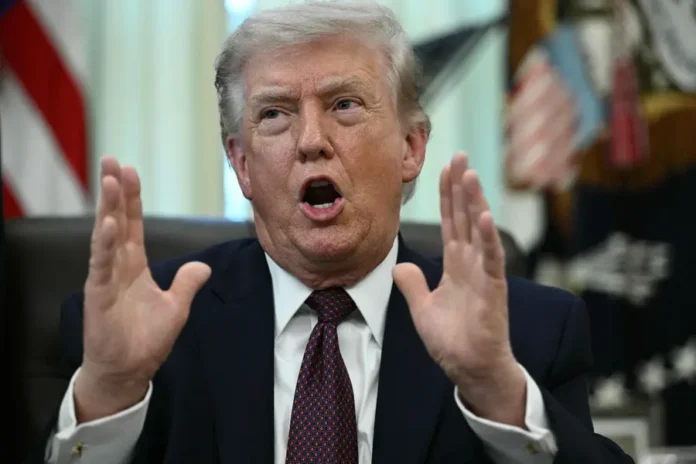
At the peak of rising tensions in West Asia, U.S. President Donald Trump triggered an unexpected diplomatic moment—not through policy, but through words. In an expletive-laden social media post, he demanded that Iran “open” the Strait of Hormuz, warning of severe consequences if it did not comply.
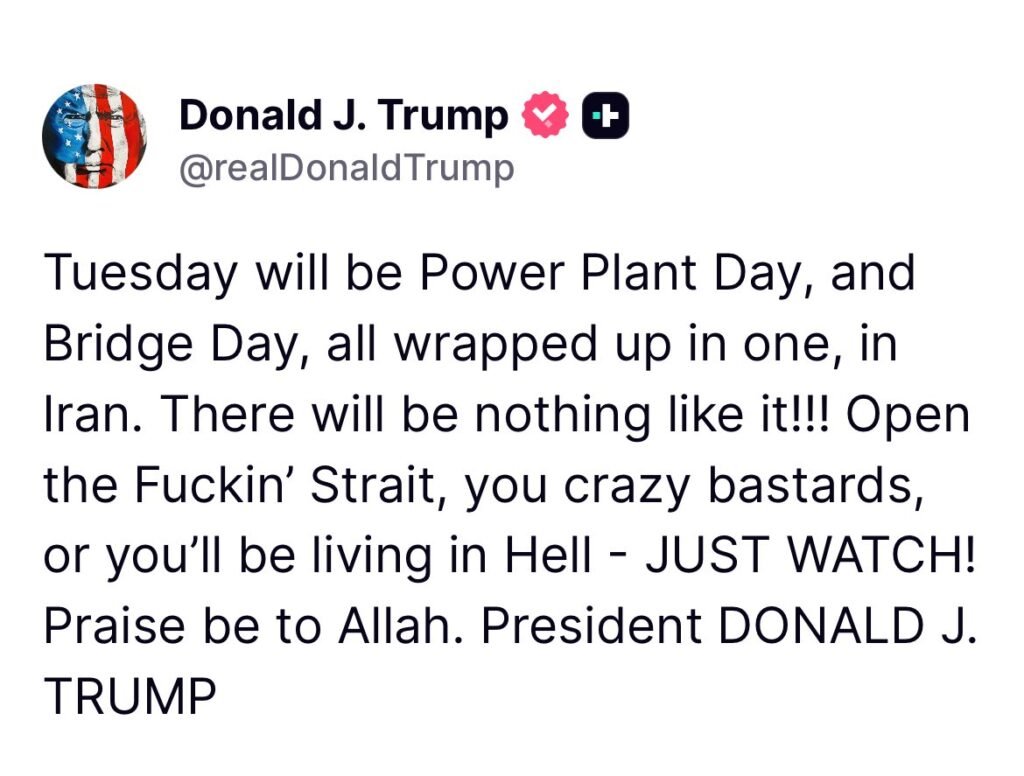
What followed was not retaliation in kind, but something far more unconventional: a coordinated wave of humour, sarcasm, and digital mockery from Iranian embassies across the world.
“We’ve Lost the Keys” — The Line That Went Global
The trolling began with Iran’s embassy in Zimbabwe posting a now-iconic reply:
“We’ve lost the keys.”
The simplicity of the line—reducing a complex geopolitical demand to something as trivial as misplaced keys—struck instantly. Within hours, Iranian missions across continents joined in, turning diplomacy into a viral, almost theatrical performance.
A Symphony of Sarcasm Across Embassies
As the trolling spread, different embassies added their own creative spin, making the episode a global digital spectacle.
Iran’s embassy in South Africa posted a fictional conversation mocking Trump’s claim, with countries like India, China, and France casually responding:
“Is it closed?” and “We just passed through!”—subtly suggesting that the Strait wasn’t even blocked in the way Trump implied.
Meanwhile, the Zimbabwe mission didn’t stop at one jab. In another post, it mocked Trump’s repeated deadlines, saying:
“Trump, please talk. We are bored.”
Iran’s embassy in Bulgaria added a calmer but equally cutting remark:
“Take it easy, tiger. Keep your cool.”
Elsewhere, diplomats leaned into absurd humour. Some joked about searching for keys under furniture, while others sarcastically asked if they should call a “locksmith.” A consulate even mocked shifting U.S. deadlines by humorously requesting a “more convenient time slot,” highlighting the inconsistency in Trump’s warnings.
In Nigeria, the tone turned sharper, with a viral post claiming a U.S. setback wasn’t just military—but symbolic:
“It was American pride that crashed.”
Another widely shared jab came from Iranian diplomatic channels keeping a “scorecard” of Trump’s claims—mocking how often he declared victory or made conflicting statements.
Why the World Took Notice
The trolling resonated globally because it flipped the script. Instead of escalating tensions, Iran used humour to undermine the seriousness of Trump’s ultimatum. His aggressive and informal tone made it easier for critics to parody, and Iran capitalised on that effectively.
More importantly, the humour was accessible. Complex issues—oil routes, military threats, geopolitical control—were distilled into everyday metaphors and jokes, making them relatable to millions online.
Diplomacy in the Age of Virality
This episode reflects a larger shift in global politics. Diplomacy is no longer confined to formal statements—it now unfolds in real time on social media, where perception can be as powerful as policy.
Iran’s “meme diplomacy” allowed it to project confidence, control the narrative, and engage a global audience without escalating militarily. At the same time, it exposed how unconventional rhetoric from leaders like Donald Trump can quickly become a liability in the digital arena.
More Than Just Trolling
What may seem like a light-hearted episode carries deeper implications. It highlights how modern conflicts are fought not just on battlefields, but also in the arena of perception, humour, and public opinion.
In this case, a single demand turned into a global punchline—and for a brief moment, the language of war was replaced by the language of wit.