

In both politics and Bollywood, friendships are often forged in the heat of ambition, shared goals, or mutual benefit. However, these bonds can be surprisingly fragile. Power struggles, ego clashes, ideological differences, or personal betrayals frequently turn allies into adversaries. Whether it’s political leaders who once stood shoulder to shoulder or film stars who shared the limelight as confidants, shifting loyalties and changing circumstances can quickly sour relationships. These transformations from friendship to rivalry offer a revealing glimpse into the high-stakes, high-pressure worlds of politics and entertainment—where yesterday’s friend can easily become today’s foe.
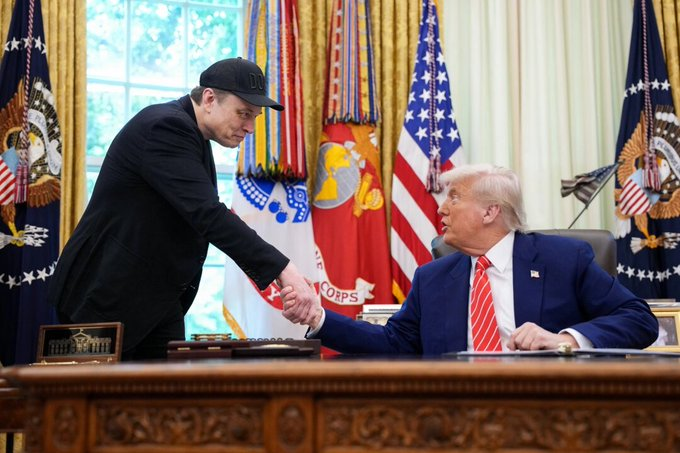
Donald Trump and Elon Musk: Once seen as allies, Donald Trump and Elon Musk’s relationship has soured over time. Initially, Musk served on Trump’s advisory councils during his presidency, signaling a cooperative stance. However, ideological differences—particularly on climate change and immigration—led Musk to distance himself, resigning from the councils after Trump withdrew from the Paris Agreement.
Their feud escalated post-presidency, with Trump mocking Musk for backing out of a Twitter deal (before Musk eventually acquired the platform) and labeling him a “bull artist.” Musk, in turn, criticized Trump’s leadership and age, suggesting the Republican Party move beyond him. What began as mutual interest turned into public jabs and political rivalry, showing how ambition and ideology can turn friends into foes.
In Bollywood
- Shah Rukh Khan and Salman Khan: Once close friends in the 1990s, their bond soured after an infamous fight at Katrina Kaif’s birthday party in 2008. Although they later reconciled publicly, their cold war lasted for years and impacted collaborations and industry dynamics.
- Karan Johar and Kajol: Kajol was a constant in Karan Johar’s films and inner circle, but their friendship broke down during the 2016 clash between Ae Dil Hai Mushkil (Karan’s film) and Shivaay (Ajay Devgn’s film). Karan claimed Kajol “killed every bit of faith” he had in their friendship. They later patched up, but the fallout was deeply personal.
- Akshay Kumar and Priyanka Chopra: They shared sizzling on-screen chemistry, but Akshay reportedly distanced himself from Priyanka due to his wife Twinkle Khanna’s disapproval. This professional fallout ended a promising collaboration streak.
- Govinda and David Dhawan: The actor-director duo created several hits together, but a lack of communication and feelings of being sidelined led to bitterness. Govinda later accused David of ignoring him after gaining success with newer stars.
Political Friends Turned Foes in India
Indian politics has seen several once-close allies part ways due to ideological differences, power struggles, or shifting political ambitions. Some notable examples include:
- Narendra Modi and Nitish Kumar: Once partners in the NDA, Nitish Kumar broke ties with Modi in 2013 over the BJP’s PM candidate announcement. Though they reunited in 2017, Nitish again exited the alliance in 2022, accusing the BJP of trying to split his party.
- Sharad Pawar and Sonia Gandhi: Sharad Pawar was once a senior Congress leader but left the party in 1999 after opposing Sonia Gandhi’s foreign origin, forming the NCP. Though they later allied in Maharashtra, deep-rooted differences remained.
- Mamata Banerjee and the Congress: Mamata began her political journey in the Congress and was a Union Minister. She eventually broke away to form the TMC in 1998, accusing the Congress of ignoring Bengal’s interests.
- Mulayam Singh Yadav and Amar Singh: Amar Singh was once Mulayam’s closest aide in the Samajwadi Party. Their fallout in the late 2000s was dramatic, with public accusations and eventual expulsion.
- Mayawati and Akhilesh Yadav: Their 2019 alliance (BSP-SP) against the BJP in Uttar Pradesh collapsed shortly after the elections, with Mayawati blaming Akhilesh’s party for the poor performance and ending the partnership.
These splits reflect how alliances in Indian politics are often driven more by convenience than by shared ideology—and how quickly friends can become rivals in the race for power.