

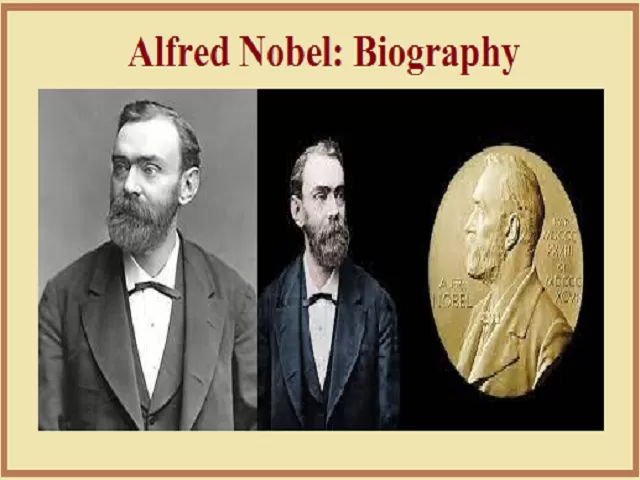
The origin of the Nobel Prize is not just a tale of wealth and invention—it is a story of self-reflection, regret, and a determined effort to reshape one’s legacy.
The decisive moment arrived in 1888, when a French newspaper mistakenly published Alfred Nobel’s obituary instead of his late brother Ludvig’s. The headline read: “The Merchant of Death is Dead.” The article condemned Nobel for inventing dynamite and profiting from explosives used in warfare.
The misidentification shook him deeply. Nobel realised that if he died then, the world would remember him not as an innovator or humanist, but as a man who enabled destruction. This painful revelation became a defining catalyst for change.
Another key influence in Nobel’s transformation was his close friendship with Bertha von Suttner, the renowned Austrian writer and pacifist. Her writings on peace—and their personal conversations—left a lasting impression on him. Although she worked with him only briefly, her influence was profound enough to inspire what would later become the Nobel Peace Prize.
The Will That Changed the World
By 1895, as Nobel battled angina and reflected on his life’s work, he decided to take an extraordinary step. On 27 November 1895, he drafted a will that would reshape how the world viewed him—and how it would reward humanity’s greatest achievements for generations to come.
When Alfred Nobel died a year later, on 10 December 1896, the opening of his will shocked his family, close associates, and much of Europe. Instead of leaving his enormous wealth to relatives or business partners, Nobel devoted the vast majority of his fortune to establishing five annual international prizes:
- Physics
- Chemistry
- Physiology or Medicine
- Literature
- Peace
His global industrial network—over 90 factories producing explosives and weapons—was directed into a trust that would finance these awards indefinitely. Legal disputes followed, and some family members contested the will, but Nobel’s vision ultimately prevailed. In 1900, the Nobel Foundation was formally established to manage the prizes.
A Legacy Rewritten
Today, the Nobel Prizes stand as some of the world’s most prestigious honours, awarded each year on 10 December, the anniversary of Alfred Nobel’s death. What began as a moment of personal reckoning has evolved into an enduring symbol of human progress—celebrating discovery, creativity, and peace.
Through his will, Alfred Nobel ensured that he would not be remembered as the “merchant of death,” but as a patron of excellence and a believer in humanity’s potential to improve the world.