

Most retired people will say one of the best things about leaving the job life is that work stress just stops. No deadlines, no bosses, no office drama. Another big plus is time—you suddenly have all the freedom to follow passions, travel, spend time with family, or pick up hobbies you once left behind during your busy working years.
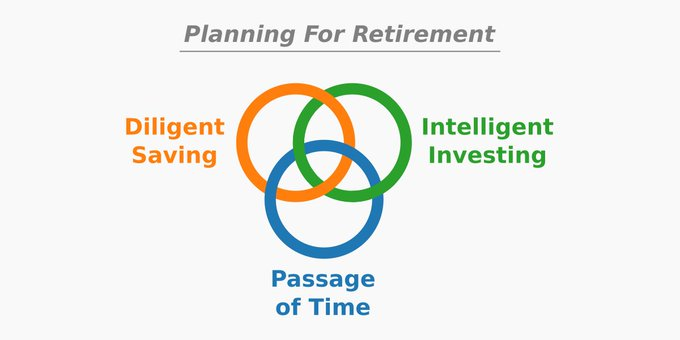
But here’s the thing… while the stress ends, the steady income also stops. That’s where retirement planning really matters. If you don’t plan your money properly, your golden years might feel more like restrictions than freedom. The solution? Simple—investing in retirement plans or even a money back policy that gives financial independence and peace of mind.
What is Retirement Planning?
Retirement planning is basically preparing for life after you stop working for money. It’s not just about saving cash—it’s making sure you can live the life you want when a job becomes optional, not necessary.
Some main parts of retirement planning are:
- Financial Independence: Building an income stream so you don’t stress about money.
- Lifestyle Planning: Deciding how you’ll spend your time—travelling, hobbies, or maybe staying closer to family.
- Healthcare Prep: Keeping aside money for medical expenses (trust me, they go up with age).
- Security & Legacy: Protecting your assets and leaving something for your loved ones.
It usually starts with looking at your finances, estimating what you’ll need, setting goals, and creating a mix of investments to reach them.
Types of Retirement Plans in India
India has quite a few retirement schemes for different needs. Depending on your income, risk appetite, and goals, you can choose the best retirement plan in India that suits you. Some of the most common ones are:
- Employee Provident Fund (EPF)
- A compulsory saving scheme for salaried employees.
- Both you and your employer contribute a % of your salary.
- Money grows over time, and you can take it when you retire.
- A compulsory saving scheme for salaried employees.
- Public Provident Fund (PPF)
- A 15-year government-backed scheme can extend in 5-year blocks.
- Tax-free returns, super safe.
- Good for people who like guaranteed returns.
- A 15-year government-backed scheme can extend in 5-year blocks.
- National Pension System (NPS)
- Open for all citizens, a voluntary scheme.
- Mix of equity, debt, and govt securities.
- Extra tax benefits, too.
- Open for all citizens, a voluntary scheme.
- Senior Citizens Savings Scheme (SCSS)
- Only for people 60+.
- Higher interest and quarterly payouts.
- Great for regular post-retirement income.
- Only for people 60+.
- Atal Pension Yojana (APY)
- Made for unorganized sector workers.
- Fixed pension depending on contribution and age.
- Ensures basic financial backup for those without pensions.
- Made for unorganized sector workers.
How Do Retirement Plans Work?
Retirement plans are basically long-term money strategies that make sure you’ve got a steady income and some financial safety when you stop working. They usually go through a certain process:
Contributions
Employees, and sometimes even the employer, keep putting money into the plan regularly. Over the years, this money piles up and becomes your retirement fund. How much goes in depends on what type of plan you have and your own choices.
Investments
The money collected doesn’t just sit there—it’s usually put into a mix of stuff like stocks, bonds, mutual funds, or other financial things. The idea is to grow that money over time, and compounding really helps in this part.
Tax Benefits
Lots of retirement plans also give you some tax benefits. Like, contributions can lower your taxable income. Some plans even let your money grow tax-deferred or sometimes tax-free, which means your savings grow quicker.
Accumulation Phase
While you’re still working, you just keep adding to the fund, and with compounding, it grows steadily in the background.
Withdrawal Phase
When you finally retire, you start pulling money out to pay for daily expenses. This stage needs good planning, though, so that the savings don’t finish too early.
Social Security
In some countries, there’s also social security from the government, which adds extra income support for retirees. It kinda works along with your retirement savings.
Employer Involvement
Many times, employers offer retirement benefits, too. Some even match what you put in up to a limit, which really boosts your retirement fund over the long run.
Why is Retirement Planning Important?
It’s not just about having money. It’s about freedom, dignity, and peace of mind. Some reasons:
- Financial Stability: You won’t have to depend on the government.
- Lifestyle Maintenance: Keeps your living standards the same.
- Inflation Protection: Helps your money keep up with rising costs.
- Healthcare: You’ll be ready for medical bills.
- Peace of Mind: Just knowing your future is safe reduces stress.
Benefits of Retirement Planning
- Emergency Safety Net – For medical or sudden expenses.
- Better Returns – Start early, compounding works magic.
- Tax Advantages – Save money on taxes now and later.
- Cost Discipline – Encourages saving regularly.
- Peace of Mind – Secure retirement = less stress.
- Beats Inflation – Your savings won’t lose value.
- Private Sector Backup – No pensions? This is your pension.
- Legacy Building – Leave something for family.
- Option for Early Retirement – Stop working sooner if you want.
- Safeguards Assets – No need to sell gold or property in hard times.
Conclusion
Retirement should be about joy, freedom, and living life your way—not worrying about bills. With the right retirement plan, you can travel, relax, spend time with family, or just enjoy hobbies in peace.
The earlier you start, the better your future looks. Don’t delay—begin your retirement planning today.