

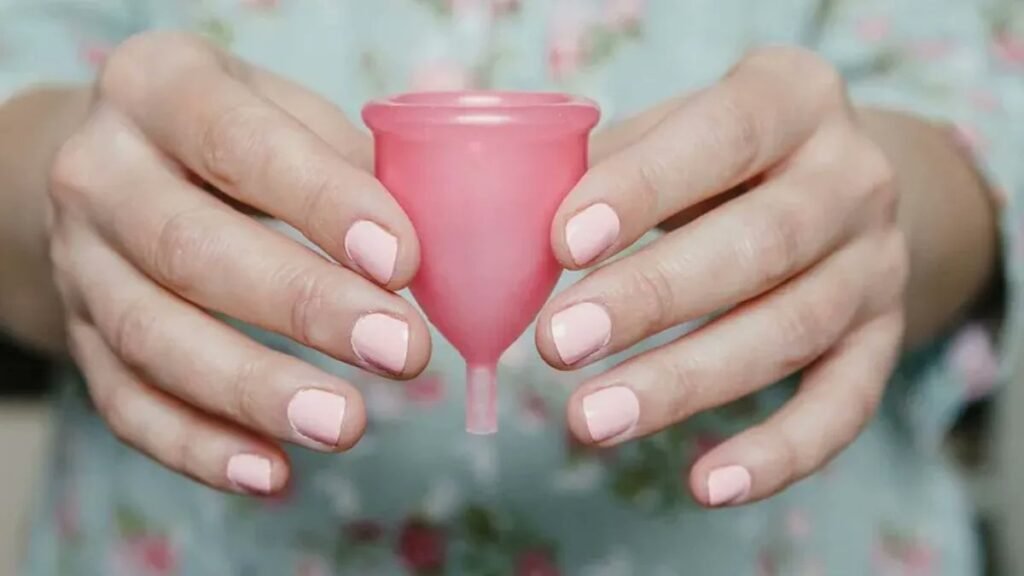
In a move aimed at promoting sustainable menstrual hygiene and reducing dependence on disposable products, the Karnataka government has announced plans to expand the distribution of menstrual cups across the state. Building on earlier success and growing awareness about environmentally friendly alternatives, the initiative seeks to ensure that more women and girls have access to safe, cost-effective and reusable menstrual hygiene solutions.
Boosting access to sustainable menstrual products
The expanded programme will see menstrual cups which are reusable silicone products that collect menstrual fluid, distributed not only in urban areas but also reaching deeper into rural and semi-urban communities. Officials say the decision comes in response to enhanced demand from women who have used menstrual cups and reported benefits including comfort, health safety and long-term affordability compared with single-use sanitary pads.
Advantages of menstrual cups over disposable products
Unlike disposable pads and tampons, which contribute to plastic waste and often create disposal challenges, menstrual cups can last several years with proper care. This not only reduces environmental burden but also makes menstrual hygiene more affordable over time. In a state where access to affordable menstrual products can be a challenge for many, reusable options help bridge gaps in menstrual health management.
Health and hygiene education to accompany distribution
To complement distribution, the health department is also planning awareness campaigns and training sessions to educate users on proper hygiene practices, insertion and removal techniques, and care instructions for menstrual cups. Health experts emphasise that such guidance is crucial to building confidence among users who may be trying menstrual cups for the first time.
Previous pilot programmes showed encouraging results
Karnataka first introduced menstrual cup distribution in select districts as part of pilot initiatives that partnered with local health workers and community organisations. Feedback from these areas highlighted not only acceptance but also enthusiasm among school-aged girls and women in reproductive age groups. Many users praised the convenience and reduced monthly expenditure.
Government’s broader menstrual hygiene goals
The move aligns with the government’s broader strategy to improve menstrual hygiene, reduce health risks associated with poor menstrual management, and cut down on non-biodegradable waste. Officials also noted that this initiative supports efforts to promote women’s participation in education and the workforce by removing barriers associated with menstrual stigma and product inaccessibility.
Next steps and implementation timeline
The expanded distribution is expected to roll out over the coming months, with initial focus on priority districts where menstrual hygiene indices are comparatively low. The government is also exploring partnerships with non-profits and grassroots organisations to ensure effective outreach and follow-up support.
By promoting menstrual cups alongside educational efforts, Karnataka seeks to set a precedent in sustainable health interventions that balance environmental goals with women’s health needs.