

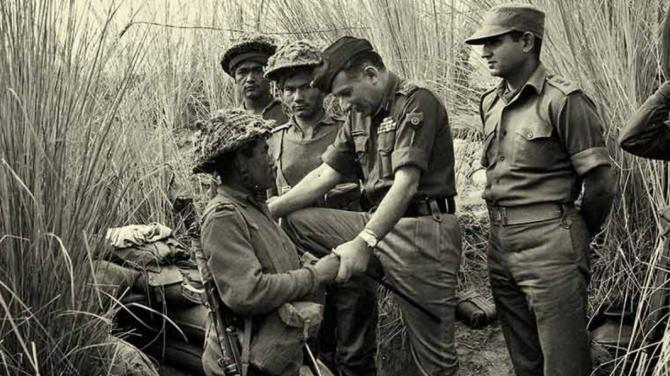
Major Bob Khathing: In the winter of 1951, as Chinese forces tightened their grip on Tibet following the 1950 invasion and the 17-Point Agreement of May 1951, India faced a critical threat to its northeastern frontiers. Major Ralengnao “Bob” Khathing, a courageous officer from Manipur’s Tangkhul Naga community, led a remarkable expedition to bring Tawang under firm Indian control -just in time to prevent potential Chinese occupation. This peaceful yet resolute operation stands as one of the most significant yet undercelebrated chapters in India’s post-independence history.
Historical Background: From the Simla Convention to the Brink of Crisis
The 1914 Simla Convention established the McMahon Line as the border between British India and Tibet, placing the entire Tawang Tract south of the line within Indian territory. However, the agreement was not fully published at the time. To correct this, a revised Volume XIV of Aitchison’s Treaties was issued in 1937, accompanied by updated maps in response to Chinese claims extending their Sikang Province borders to the foothills.
Tibet accepted the McMahon Line but continued collecting taxes in Tawang. British authorities exercised nominal control south of Sela Pass while avoiding interference in the north to respect Tibetan sentiments. After India’s independence, Tibet delayed recognizing India as a successor state until June 1948 and maintained territorial claims over Tawang. With Tibet’s capitulation to China in 1950-51, Tawang became vulnerable.
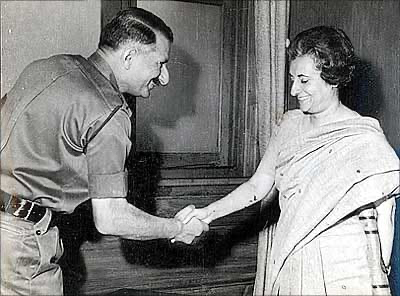
Major Bob Khathing: From Soldier to Frontier Guardian
Born in 1912 in Ukhrul, Manipur, Ralengnao Khathing (known as Bob) was commissioned into the 19th Hyderabad Regiment (later Kumaon Regiment) in 1941. A decorated World War II veteran (Military Cross, MBE), he later joined the Indian Frontier Administrative Service (IFAS) as an Assistant Political Officer.
In late 1950, Assam Governor Jairamdas Daulatram summoned Khathing, emphasizing that controlling Tawang was vital for Northeast India’s security.
Khathing was given 45 days, Rs 25,000 in expenses, and orders to establish Indian administration in Tawang. He assembled a column of about 200 Assam Rifles troops (from 2 AR and 5 AR), led by Captain Hem Bahadur Limbu and supported by Captain Modiero of the Army Medical Corps.
To prepare for high-altitude winter operations, Khathing sourced winter clothing and gear from leftover U.S. Air Force stores at Chabua and Dinjan (WWII bases). At Tezpur, he hired 200 mules and 600 porters. Intensive training took place at Lokra (26 km north of Tezpur) for three weeks, with scouts reconnoitering routes and establishing forward supply dumps.
The Expedition Begins: Challenges and Resolve
The column departed Lokra on January 17, 1951, traversing inhospitable terrain with no proper roads. On January 19, the last British political officer in Assam, Major T.C. Allen, intercepted them. Khathing gave Allen an ultimatum: join or remain under arrest until the mission succeeded. Allen chose to join as second-in-command.
They reached Dirang Dzong on January 25. An Assam Rifles post established there in 1944 had been withdrawn, allowing Tibetan control to resume. On January 26 (Republic Day), Khathing hoisted the Indian Tricolour, hosted a community feast (barakhana), and fired celebratory volleys as the Governor’s Dakota aircraft circled overhead. Dirang’s ruler, Katuk Lama, submitted, and messages were sent warning Tawang.
The force advanced on February 1, crossed Sela Pass on February 3, and reached Jang on February 4. Khathing met village headmen (gaonbudhas), explained their new status as free Indian citizens, and instructed them to stop paying taxes to Lhasa.
Securing Tawang: Diplomacy Backed by Determination
The column arrived in Tawang on February 6-7, 1951. The Dzongpen (administrator), Nyertsang, initially ignored invitations. On the night of February 10, Khathing ordered demonstration firing-20 rounds from 2-inch mortars and 1,000.303 rounds-creating echoing thunder that instilled awe.
The next morning, troops marched through town for hours with fixed bayonets. Nervous Dzong officials sent emissaries. Major Allen drafted a formal instrument of accession to India. When negotiations stalled, officials were detained and hosted for a week, during which Khathing directed them not to follow the Dzongpen.
By February 17, 1951-with the Governor’s deadline nearing and Tibetan officials persuaded or having departed peacefully-Major Khathing officially took Tawang under Indian administration. He hoisted the Indian Tricolour in Tawang on this date, marking the formal assertion of sovereignty, the establishment of permanent administrative presence, and the successful integration of the region. This symbolic act, after weeks of arduous trekking and deft diplomacy, cemented Tawang’s place within India without bloodshed.
Khathing then moved his administrative headquarters to the permanent site he had selected, and the Assam Governor informed Prime Minister Jawaharlal Nehru of the successful mission.
Legacy: A Bloodless Victory and National Recognition
The hoisting of the Tricolour on 17 February 1951 remains a landmark moment in the history of Arunachal Pradesh and India’s northeastern frontier. It symbolizes quiet heroism, strategic foresight, and unwavering resolve at a time when the McMahon Line’s integrity was under grave threat. This date underscores Major Khathing’s pivotal role in reinforcing the 1914 Simla Convention and safeguarding Tawang from potential occupation.
For his extraordinary services, Major Bob Khathing was awarded the Padma Shri in 1957. He later served as Chief Secretary of Nagaland and as India’s Ambassador to Myanmar (1972-1975), becoming the first person of tribal origin to hold that position.
Major Ralengnao “Bob” Khathing remains an unsung hero whose timely, bold, and bloodless action secured Tawang and protected India’s northeastern frontier at a defining moment in history. His legacy continues to inspire generations.