

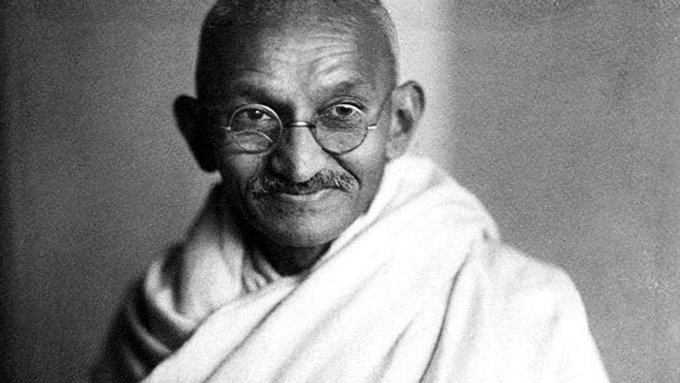
Mahatma Gandhi Death Anniversary 2026: There are some names in Indian history that are not confined to textbooks but live on in the hearts of the people. Mahatma Gandhi is one such name. His thoughts, ideals, and way of life continue to inspire people not only in India but across the world. While he is officially known as the Father of the Nation, millions fondly remember him as ‘Bapu’—a name that reflects deep affection and respect. Even people outside India often refer to him by this endearing title.
Mahatma Gandhi was not merely a leader recorded in history; he was a Bapu rooted in the collective conscience of society, guiding people to distinguish between right and wrong. His death anniversary reminds us that a nation is built not only on political freedom but also on moral values. At a time when violence, intolerance, and conflict are increasing, Gandhiji’s ideals appear more relevant than ever. He taught the world that resistance can be peaceful and protest can be dignified.
Mahatma Gandhi was born on October 2, 1869, and was assassinated on January 30, 1948, after India gained independence. His death anniversary is an occasion to reflect on his life, philosophy, and the reasons he came to be known as Bapu and the Father of the Nation.
When Is Mahatma Gandhi’s Death Anniversary Observed?
Mahatma Gandhi’s death anniversary is observed every year on January 30. He was shot dead on this day in 1948 at Birla Bhawan (now Gandhi Smriti) in New Delhi during an evening prayer meeting by Nathuram Godse. The day is observed as Martyrs’ Day in India, and a two-minute silence is observed nationwide to pay tribute to him.
Why Was Mahatma Gandhi Called ‘Bapu’?
The word Bapu means father. Gandhiji earned this title because of his deep emotional connection with the people.
The Leader of the Masses
Gandhiji was not a ruler driven by power but a guide who led the common people with compassion, discipline, and moral authority.
A Simple Life, Profound Ideals
His simple attire—just a dhoti, a walking stick, and round spectacles—symbolised humility and honesty, making people feel a personal bond with him.
Champion of Truth and Nonviolence
He led India’s freedom struggle through satya (truth) and ahimsa (nonviolence), teaching that true strength lies in character, not weapons.
Care for Every Section of Society
Gandhiji worked tirelessly for the poor, Dalits, women, and workers. His inclusive concern made people see him as the head of a large national family.
Why Is He Called the Father of the Nation?
Netaji Subhash Chandra Bose was the first to address Mahatma Gandhi as the Father of the Nation. The titles Bapu and Father of the Nation carry similar meanings, reflecting his role as the guiding force of India’s freedom movement and moral foundation.
What Is Special About His Death Anniversary?
- The President, Prime Minister, and other leaders pay homage at Raj Ghat
- Educational institutions hold discussions on Gandhian values
- Messages of truth, nonviolence, and peace are promoted
- A two-minute silence is observed across the country in his memory
Mahatma Gandhi’s life and ideals continue to remind us that real leadership is rooted in values, compassion, and moral courage.