

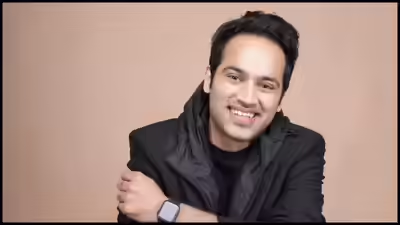
In a first-of-its-kind ruling in India’s creator economy, the Delhi High Court has granted content creator and podcaster Raj Shamani interim protection over his personality rights, officially recognising that his name, face, voice, likeness and digital identity are intellectual property deserving legal protection.
This landmark ruling arrives at a time when AI-driven deepfakes, fake ads, scam endorsements and impersonation accounts have begun threatening the credibility of public figures.
Inside the Case: When Deepfakes Crossed the Line
Shamani approached the court after discovering rampant misuse of his digital persona – AI-generated videos, edited clips, fake endorsements promoting betting platforms and crypto scams, scam Telegram accounts, morphed parody videos, and even unauthorized booking pages offering him for events.
Justice Manmeet Pritam Singh Arora acknowledged Shamani as a well-recognised public figure with established goodwill, making him vulnerable to exploitation. The court restrained known and unknown entities from using any part of his persona for commercial gains without his permission.
What is a John Doe order & why it matters
A John Doe order is a powerful legal injunction issued against unknown persons especially when violations are happening anonymously or through untraceable accounts.
In India, courts pass John Doe orders when:The identity of the offenders is unknown, misuse is widespread across digital platforms, there is a risk of reputational or financial damage and lastly immediate action is required to prevent further harm.
In Shamani’s case, the order enables platforms like Google, Meta, and Telegram to take down infringing content and disclose the Basic Subscriber Information of anonymous violators within 72 hours.
A win for all Indian creators
Beyond personal victory, this ruling sets a judicial precedent affirming that digital identity is real IP. Shamani’s fight now acts as a blueprint for Indian creators dealing with AI misuse, deepfakes, impersonation and fraudulent endorsements.
With the next hearing scheduled for April 24, 2026, enforcement and monitoring will continue as platforms work to curb future violations.
This case marks a pivotal shift, India is finally recognising the legal boundaries of the digital self, and creators are no longer unprotected in the age of AI.