

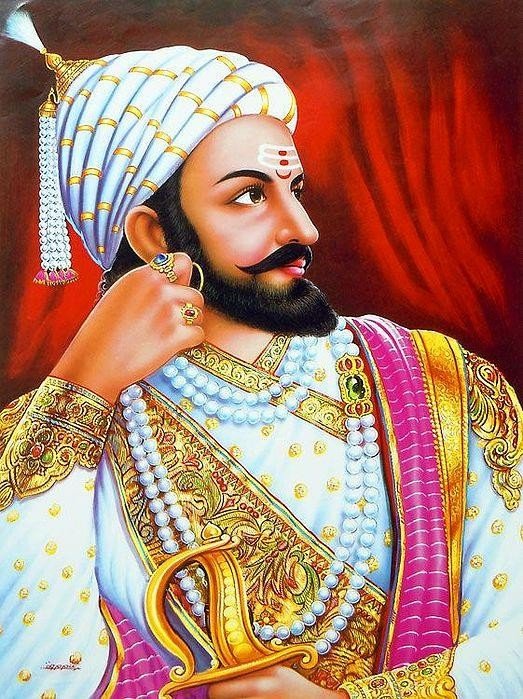
Observed this year on April 3, the death anniversary of Chhatrapati Shivaji Maharaj —reverently known as Punyatithi—is a moment of deep reflection on the life and legacy of one of India’s greatest warrior-kings. More than three centuries after his passing in 1680 at Raigad Fort, Shivaji Maharaj continues to stand as a timeless symbol of courage, leadership, and nation-building.
Founder of the Maratha Empire, Shivaji Maharaj transformed the idea of Hindavi Swaraj into a powerful political reality. His vision was rooted in self-governance, justice, and cultural pride—principles that challenged the dominance of larger empires of his time. What made his leadership exceptional was not just his military strength, but his ability to build an efficient and inclusive administration that respected all communities and upheld ethical governance.
Renowned for his military brilliance, Shivaji Maharaj revolutionised warfare in India through his mastery of guerrilla tactics. His strategic use of forts, swift mobility, and deep understanding of terrain allowed him to outmaneuver far stronger forces. He also laid the foundation for one of India’s earliest organised naval forces, recognising the importance of securing coastlines in an era of expanding maritime power.
Beyond the battlefield, he was a ruler guided by integrity and foresight. His policies ensured the protection of civilians, respect for women, and religious tolerance—values that continue to resonate strongly in modern India. His governance model was not only effective but also deeply humane.
On his Punyatithi, tributes pour in from across the country. HM Amit Shah described him as an “immortal symbol of Indian pride and protector of national honour,” underlining his enduring influence on India’s identity and values.
Today, Shivaji Maharaj is not just remembered as a historical figure but celebrated as an eternal inspiration. His life story—marked by resilience, strategic genius, and unwavering commitment to Swaraj—continues to ignite a sense of pride and purpose.
In remembering him, India does more than honour the past—it reconnects with the ideals of leadership, courage, and self-rule that define its spirit even today.