

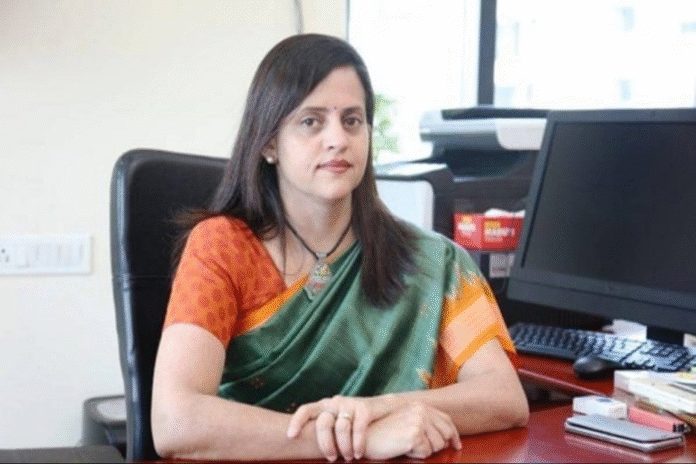
Mumbai has witnessed a historic administrative milestone with the appointment of senior IAS officer Ashwini Bhide as the commissioner of the Brihanmumbai Municipal Corporation (BMC). She becomes the first woman to head India’s richest civic body, marking a significant shift in urban governance leadership.
Career Background and Administrative Experience
A 1995-batch Indian Administrative Service officer, Ashwini Bhide has built a strong reputation through her extensive administrative career. She began her service in Kolhapur and later served as Chief Executive Officer of the Nagpur Zilla Parishad and Sindhudurg Zilla Parishad. Over the years, she has held key positions at Raj Bhavan, worked as additional commissioner at the Mumbai Metropolitan Region Development Authority, and also served within the BMC.
Role in Chief Minister’s Office and Governance
Before her appointment as BMC commissioner, Bhide was serving as Additional Chief Secretary in the Chief Minister’s Office of Maharashtra. She is known for handling complex and high-stakes assignments efficiently. Her administrative acumen and ability to manage large-scale governance challenges have made her a trusted figure in the state’s bureaucracy.
‘Metro Woman’ and Mumbai Metro Line 3 Leadership
Ashwini Bhide is widely recognised as the “Metro Woman of Mumbai” due to her leadership in executing the Mumbai Metro Line 3 project, also known as the Aqua Line. The project, Mumbai’s first underground metro corridor connecting Colaba to SEEPZ, faced major challenges such as tunnelling beneath heritage structures and resolving land acquisition issues. The controversial Aarey Colony car shed issue further brought the project into public and political focus, requiring careful administrative handling.
Important Facts
- Brihanmumbai Municipal Corporation (BMC) is India’s richest civic body.
- Mumbai Metro Line 3 is the city’s first underground metro corridor.
- The Aarey Colony controversy relates to environmental concerns near Sanjay Gandhi National Park.
- IAS officers are recruited through the Civil Services Examination conducted by the Union Public Service Commission.