

France has moved a step closer to restricting children’s access to social media after lawmakers in the country’s National Assembly approved a bill seeking to ban social media use for those below the age of 15. The proposed law aims to address growing concerns around the impact of excessive screen time, cyberbullying and algorithm-driven content on children’s mental health.
What the new French social media law proposes
The legislation would prohibit children under 15 from accessing social media platforms and interactive online services. If enacted, popular platforms such as Instagram, TikTok, Snapchat and Facebook would be required to block accounts belonging to underage users unless proper age verification is in place. The responsibility of enforcing the ban would largely fall on technology companies.
Why France is pushing for stricter online rules for children
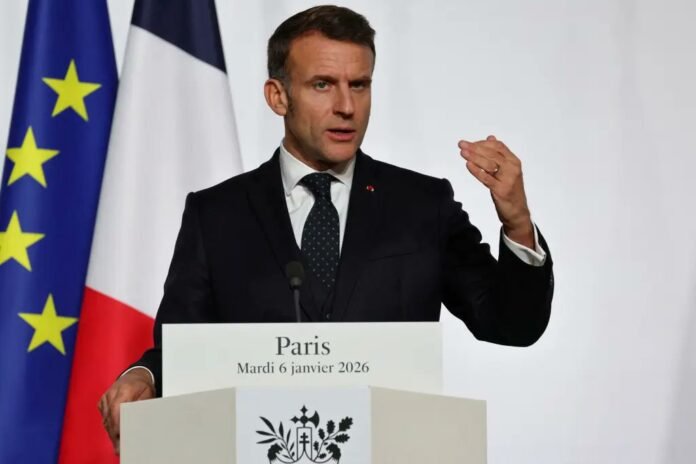
French lawmakers argue that social media platforms expose young users to harmful content, online harassment and addictive design features. President Emmanuel Macron has strongly backed the move, stating that children’s emotions should not be exploited by digital algorithms. The government believes early exposure to social media contributes to anxiety, low self-esteem and attention issues among adolescents.
Role of schools and smartphone restrictions
France already enforces restrictions on smartphone use in primary and middle schools. The new proposal seeks to strengthen this approach by extending limits to older students as well. Lawmakers believe reducing digital dependency within educational spaces can improve concentration, academic performance and social interaction among students.

Age verification challenges for social media companies
A major aspect of the bill focuses on age verification mechanisms. Platforms would be required to introduce reliable systems to confirm users’ ages, a move that has sparked debate around privacy and data protection. Critics argue that enforcing such measures could be technically complex and raise concerns about collecting sensitive personal information.
Public support and global momentum
Public opinion in France largely supports the proposal, with many parents welcoming stronger protections for children online. The move also aligns with a growing international trend. Australia recently announced a ban on social media for users under 16, while several European nations and the UK are exploring similar regulations.
Debate over digital freedom and enforcement
Opponents of the bill caution that outright bans may push children towards unsafe online spaces or lead to widespread rule evasion. They stress the importance of parental guidance and digital literacy alongside regulation.The bill will now be debated in the French Senate. If approved, France could set a powerful precedent in the global conversation on child safety and social media regulation.