

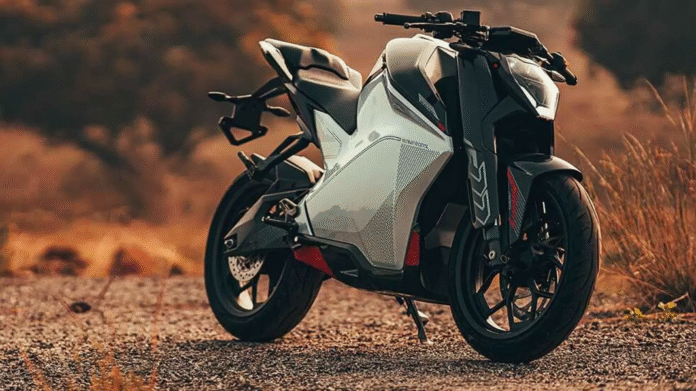
Bangalore moves fast. Not just in terms of traffic, though that is a whole other conversation, but in terms of picking up new things. And electric bikes are one of those things the city grabbed onto early. Go to any main road in the city today and you will spot them everywhere. Outside offices, parked at metro stations, weaving through signal queues. It was not like this even two years back.
So what changed? And why does it matter for the rest of India? Let us get into it.
Bangalore’s Electric Bike Numbers on Vahan Have Been Climbing Every Single Month
Karnataka has been sitting in the top three states for electric two wheeler registrations back-to-back for two years. Most of that volume is coming from Bangalore.
Check any recent month on Vahan, and Bangalore shows up in the top five cities in the country. Not once in a while, regularly. Why does Bangalore keep appearing in these numbers?
A few straightforward reasons:
- Most people in Bangalore travel 15 to 25 km one way to work. That distance works fine on a single charge for most electric bikes being sold right now
- A large part of the city’s workforce gets a fixed monthly salary, so EMI-based purchases are easier to plan
- Petrol crossed ₹100 a litre here and has not come back down. That stings every time you fill up
Put these together, and the city just happens to be a good fit for electric bikes. The commute works, the income structure works, and the fuel pain is real enough that people are actually looking for alternatives.
Bangalore Traffic and Fuel Costs Have Made the Math Very Simple
Anyone who has driven in Bangalore knows what the traffic is like. Long stretches of barely moving, braking, moving two feet, braking again. That kind of riding burns petrol fast, much faster than riding on an open road.
Running cost on an electric bike is roughly ₹0.15 to ₹0.20 per km. On a petrol bike in the same city traffic it is around ₹2 to ₹2.50 per km. Ride 20 km each way daily and you are looking at savings somewhere between ₹14,000 to ₹16,000 over a year.
For someone earning a fixed salary every month that is real money.
There is a riding comfort angle too. Electric bikes do not need gear changes. They move off cleanly every time a signal turns green. In a city where you are stopping and starting at every junction, that actually matters. People who have made the switch mostly say they do not think about going back.
Tech Park Employees Were Early Adopters and They Brought Others In
Whitefield, Electronic City, Outer Ring Road, these areas have become some of the strongest electric bike markets in the city. The workforce in these pockets earns well, reads up before buying anything, and tends to live in apartment buildings where charging is becoming more available.
Several large tech parks now have EV charging in their parking areas. What that has quietly done:
- People charging at their office campus pay almost nothing for the daily commute, close to zero fuel cost
- That experience gets talked about at lunch. Word of mouth in office circles has moved more units than most ads have
- Buyers who started with entry-level models two years back are now upgrading to better-range ones: they are not returning to petrol
That upgrade behaviour is worth noting. It means first-time electric bike buyers in Bangalore are satisfied enough to stay with electric and spend more on their next bike. Markets that retain buyers grow differently from markets that just attract them once.
Charging in Bangalore is No Longer a Real Blocker for Most Buyers
A year or two ago, the most common thing people said when asked why they had not bought an electric bike in Bangalore was, what if I need to charge and there is nowhere to go? That concern has not completely gone away, but it has reduced significantly in Bangalore.
BESCOM has added public charging points across the city. Private charging networks have set up stations at malls, metro station parking areas, fuel pumps, and inside apartment complexes.
- Orion Mall, Phoenix Marketcity, Forum – most major malls in the city now have EV charging
- Metro stations on both lines have charging points in their parking
- Neighbourhoods like Koramangala, HSR, Indiranagar, and Whitefield have seen the most apartment-level charging installations
For someone who lives and works within Bangalore, charging has become a routine thing rather than a logistical problem. That shift in how buyers perceive it has directly helped sales.
What Bangalore Is Doing, Other Cities Are Starting to Copy
Pune, Hyderabad, Chennai: city planners and EV policy teams in these places have been looking at Bangalore’s rollout as a reference. The charging network model, the corporate campus partnerships, the dealership spread into areas beyond the city centre, all these have been cited in multiple state-level EV roadmap discussions.
That kind of cross-city influence is a strong signal. It means Bangalore’s electric bike growth did not happen randomly. There was enough structure to it that others see it as repeatable.
What All of This Points To
Bangalore is not going back. Electric bikes here have moved well past the phase where only tech enthusiasts were buying them. Regular commuters, delivery workers, homemakers doing short errands, the buyer base has widened a lot.
For India’s broader EV ecosystem, this matters because Bangalore gives other cities a working example to point to. Not a government projection or an industry forecast, an actual city where the shift has happened and where people are living with it every day and not complaining.
The rest of India is at various stages of the same journey. Bangalore just got there first.