

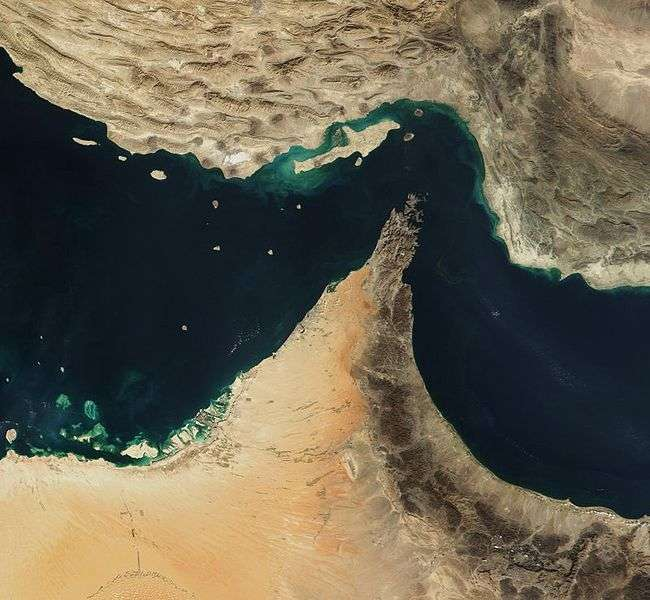
Strait of Hormuz is one of the most strategically significant waterways in the world. Located between Iran to the north and Oman and the United Arab Emirates to the south, the narrow strait connects the Persian Gulf with the Gulf of Oman and the wider Arabian Sea. Despite being only about 33 kilometres wide at its narrowest point, this maritime corridor plays a decisive role in global energy trade and geopolitical stability.
A Vital Global Energy Route
The Strait of Hormuz is widely regarded as the world’s most important oil transit chokepoint. According to energy analysts, roughly one-fifth of the world’s petroleum supply passes through this route every day. Oil and liquefied natural gas (LNG) exported by major Gulf producers such as Saudi Arabia, Kuwait, Qatar and the United Arab Emirates must move through the strait before reaching global markets in Asia, Europe and North America.
Because of this heavy traffic, any disruption—whether due to political tensions, military conflict or maritime incidents—can immediately affect global oil prices and energy security.
Geopolitical Sensitivity
The strategic importance of the strait has also made it a focal point of international tensions. Iran, which controls the northern coastline of the passage, has at times warned that it could restrict shipping through the strait during periods of geopolitical conflict. Such statements often trigger concern among global markets and prompt increased naval presence from international powers to ensure freedom of navigation.
Why It Matters to India
For India, the Strait of Hormuz holds immense economic significance. India imports a large portion of its crude oil and liquefied natural gas from Gulf countries, many of which rely on this route for exports. Any disruption in the strait could therefore affect India’s energy supplies, shipping costs and domestic fuel prices.
Additionally, millions of Indian expatriates live and work in Gulf nations such as United Arab Emirates, Saudi Arabia and Qatar, making regional stability crucial for India’s economic and strategic interests.
A Narrow Passage with Global Impact
Though geographically small, the Strait of Hormuz remains one of the most critical maritime corridors in the modern world. Its role in transporting energy resources means that developments in this narrow stretch of water can influence global markets, geopolitics and the economic security of nations far beyond the Middle East.