

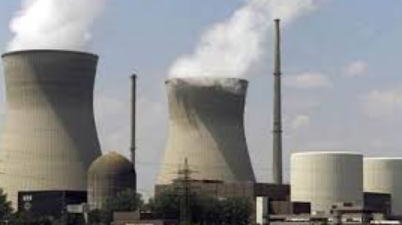
The Union Cabinet has approved the Sustainable Harnessing and Advancement of Nuclear Energy for Transforming India (SHANTI) Bill, marking a major policy shift by opening India’s tightly regulated nuclear power sector to private participation. The move is seen as critical for achieving the national target of 100 gigawatt nuclear power capacity by 2047 and supporting long-term energy security.
Opening Nuclear Sector to Private Players
The SHANTI Bill proposes allowing private companies to enter civil nuclear power generation under strict government oversight. While operational participation will be opened up, the Department of Atomic Energy will retain control over core strategic functions such as nuclear material production, heavy water management and radioactive waste handling. The reform aims to mobilise large-scale investment that the public sector alone cannot sustain.
Key Legal and Investment Reforms
A central feature of the Bill is the amendment of India’s civil nuclear liability framework. It seeks to shield plant operators and cap the liability of equipment suppliers, addressing long-standing concerns that have deterred private and foreign investment. Operator insurance cover is proposed to be redesigned at ₹1,500 crore per incident through the Indian Nuclear Insurance Pool. The Bill also allows up to 49 per cent foreign direct investment and proposes a unified legal framework for atomic energy, including a specialised nuclear tribunal.
Role in Energy Transition and Net-Zero Goals
Officials said the reforms are driven by rising domestic energy demand, rapid growth of data centres and India’s commitment to achieve net-zero emissions by 2070. Nuclear power is being positioned as a stable, low-carbon base-load source to complement renewable energy. The government has also announced a ₹20,000 crore Nuclear Energy Mission for research and development of small modular reactors, with plans to operationalise five indigenous SMRs by 2033.