

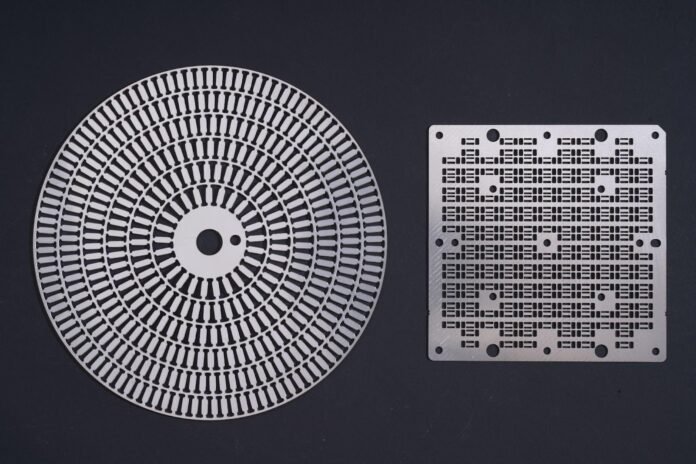
Material selection defines the success of any precision manufacturing project. In both photo etching and photo etching, the choice of metal directly impacts accuracy, durability, and cost efficiency. photo etching removes material through controlled reactions, which means different metals respond in different ways during the process.
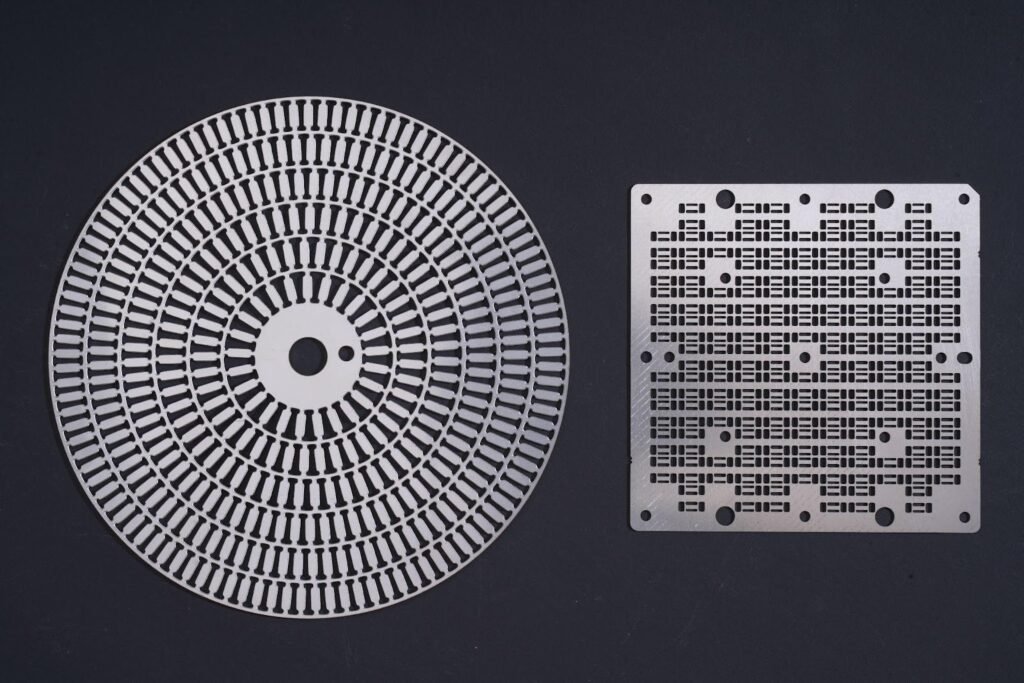
If you select the wrong material, you face issues such as over-etching, weak structures, or poor performance in end-use environments. This guide helps you understand how common photo etching materials behave, so you choose the right option for your application.
Why Material Selection Matters in Photo Etching
Photo etching works best with thin metals and designs that require high precision. However, not all metals deliver the same results.
Key Factors to Consider
- Etch rate
Some metals etch faster, which affects accuracy control - Corrosion resistance
Important for harsh environments - Strength and flexibility
Determines structural performance - Electrical and thermal conductivity
Critical for electronics applications - Cost and availability
Impacts scalability and production planning
You need to match material properties with your functional requirements.
Stainless Steel in Photo Etching
Why Stainless Steel Is Widely Used
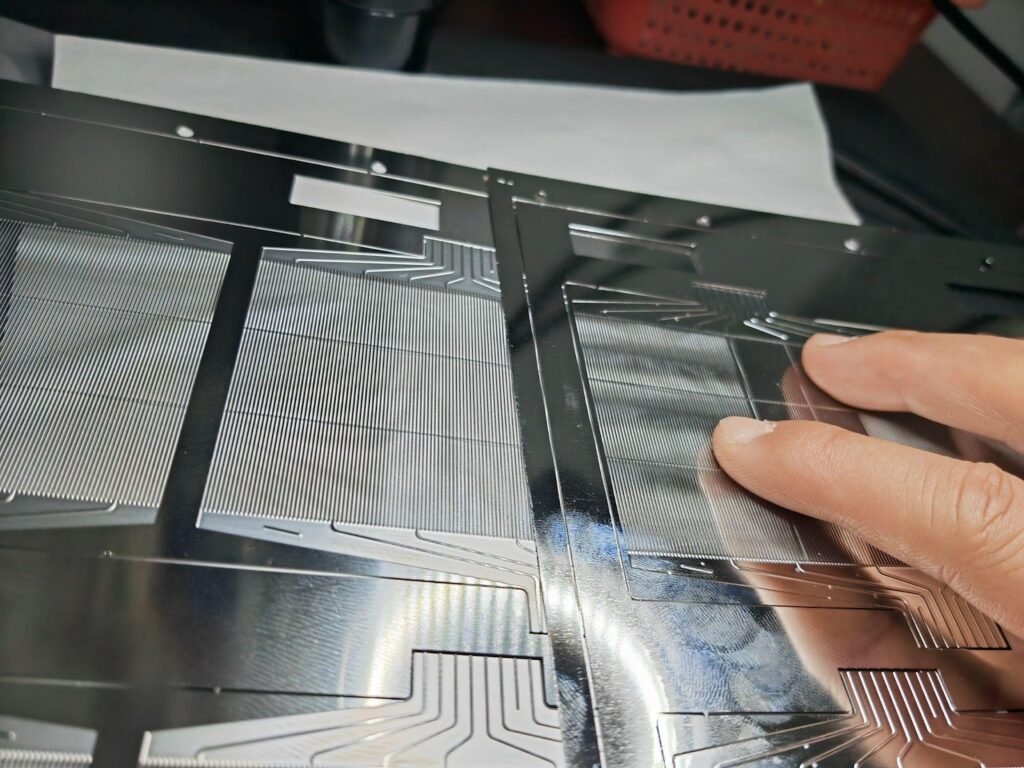
Stainless steel offers a strong balance between durability and precision. It is one of the most common materials in photo etching.
Key Benefits
- High corrosion resistance
- Strong mechanical properties
- Stable performance in extreme conditions
Typical Applications
- Medical devices
- Aerospace components
- Industrial filters
- Automotive parts
Considerations
- Slower etch rate compared to softer metals
- Requires precise process control for fine details
Stainless steel works best when strength and longevity matter.
Copper and Copper Alloys
Excellent Conductivity
Copper stands out for its electrical and thermal conductivity. This makes it ideal for electronics and electrical components.
Key Benefits
- Fast etch rate
- High conductivity
- Easy to process
Common Applications
- Printed circuit components
- Connectors and terminals
- EMI shielding
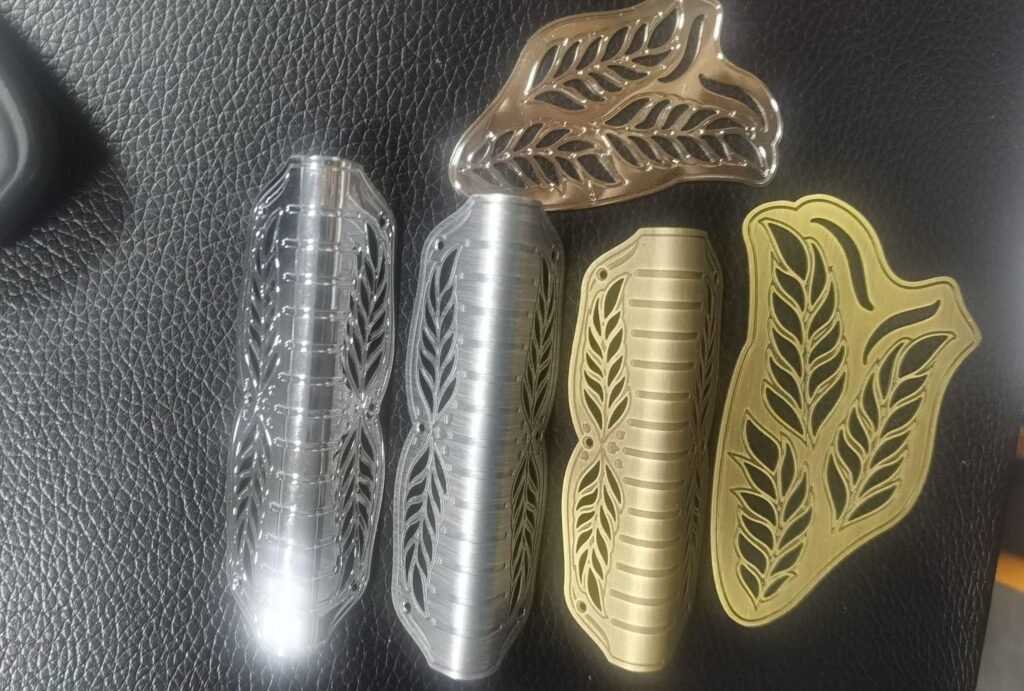
Copper Alloys
Alloys such as brass and bronze offer improved strength while maintaining conductivity.
Considerations
- Lower corrosion resistance compared to stainless steel
- Requires protective coatings in some environments
Copper is the preferred choice when conductivity drives your design.
Aluminum for Lightweight Applications
Weight Reduction Advantage
Aluminum provides a strong strength-to-weight ratio, which makes it suitable for applications where weight matters.
Key Benefits
- Lightweight
- Good corrosion resistance
- Cost-effective
Applications
- Aerospace structures
- Consumer electronics
- Automotive components
Considerations
- Softer material, which affects structural rigidity
- Surface finishing may be required
Aluminum fits projects that prioritize weight reduction and cost control.
Nickel and Nickel Alloys
High Performance in Harsh Environments
Nickel and its alloys handle high temperatures and corrosive environments.
Key Benefits
- Excellent heat resistance
- Strong corrosion resistance
- Good mechanical stability
Applications
- Chemical processing equipment
- Aerospace systems
- Energy sector components
Considerations
- Higher material cost
- More complex processing requirements
Nickel works best in extreme operating conditions.
Specialty Metals and Custom Materials
Expanding Design Possibilities
Photo etching also supports a range of specialty metals:
- Titanium
- Invar
- Molybdenum
Why Use Specialty Materials
- Unique thermal expansion properties
- High strength-to-weight ratios
- Specialized performance requirements
These materials support advanced engineering applications where standard metals fall short.
How to Choose the Right Material
Match Material to Application
Ask these questions before selecting a material:
- Does your part require conductivity or insulation?
- Will it operate in a corrosive environment?
- Do you need high strength or flexibility?
- What level of precision do you require?
Balance Performance and Cost
High-performance materials increase durability but also raise costs. You need to align material choice with budget and production scale.
Consider Manufacturing Constraints
- Etch rate affects production speed
- Material thickness impacts precision
- Design complexity influences feasibility
A clear understanding of these factors improves your final output.
TMNetch Photo Etching Services
Why Choose TMNetch
TMNetch provides high-precision photo etching services across a wide range of materials. The team focuses on helping you select the right metal for your application while maintaining strict quality standards.
Material Expertise
TMNetch supports:
- Stainless steel
- Copper and copper alloys
- Aluminum
- Nickel alloys
- Custom specialty metals
This broad material capability ensures flexibility for different industries.
Core Capabilities
- Precision etching
Tight tolerances and clean edges - Engineering support
Guidance on material selection and design optimization - Rapid prototyping
Fast turnaround for testing and iteration - Scalable production
From low-volume prototypes to large production runs
Industry Applications
- Electronics and semiconductors
- Medical devices
- Aerospace components
- Automotive systems
Quality Assurance
- Incoming material inspection
- Process monitoring
- Final dimensional verification
This approach ensures consistent quality and reliable performance.
Conclusion
Material selection plays a central role in photo etching performance. Stainless steel delivers strength and corrosion resistance. Copper provides conductivity and fast processing. Aluminum supports lightweight designs. Nickel and specialty metals handle extreme environments.
You need to align material properties with your application requirements, production goals, and budget. A well-informed material choice improves precision, reduces defects, and enhances product performance.
Working with an experienced provider such as TMNetch helps you select the right material and maintain consistent quality across every stage of production.