

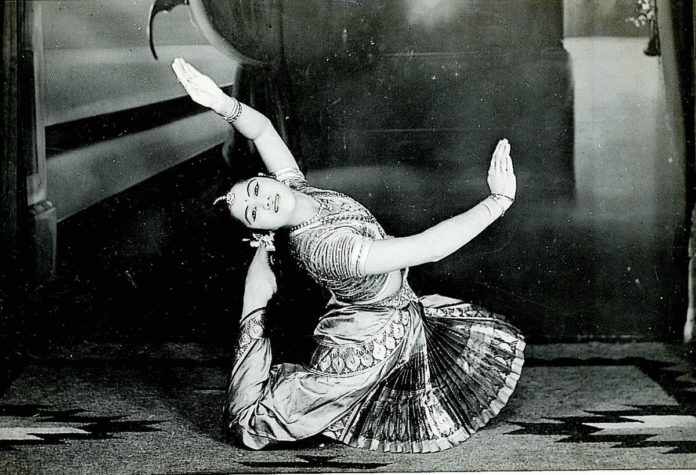
Kumari Kamala, one of Indian cinema’s earliest child prodigies and a pioneering classical dancer on screen, has passed away in the United States at the age of 91. Known for popularising Bharatanatyam in mainstream cinema, her career spanned decades and left a lasting impact on Indian performing arts.
A Prodigy from the Start
Born in 1934 in Mayuram (now Mayiladuthurai), Kamala demonstrated extraordinary talent as early as age three, performing at cultural events in Bombay. Her early stage appearances in productions such as Desa Bhakti drew the attention of filmmakers, leading to acting and dance roles in films like Valibar Sangam and Rama Nama Mahimai by the late 1930s.
Rise to National Fame
Kamala emerged as a prominent figure in Hindi cinema during the 1940s, with appearances in Shaadi, Kanchan, and notably Kismat (1943), one of the first major commercial hits in Hindi film history. Her Kathak number in Ram Rajya became widely celebrated.
A defining moment came when her mother moved south to place her under the renowned Bharatanatyam guru Vazhuvoor Ramaiah Pillai. Under his mentorship, she evolved into a key exponent of the Vazhuvoor style.
Iconic Performances in Film
Kamala’s dance sequences soon became landmarks in Indian cinema. Her snake dance in Jagathalaprathapan (1944) and the innovative double-exposure drum dance in Naam Iruvar (1947) were widely acclaimed.
Her performances in films such as Parasakthi (1952), Chori Chori (1956), Paavai Vilakku (1960), and Konjum Salangai (1962) secured her place among the finest cinematic dancers of her era.
Facts
- Trained under celebrated guru Vazhuvoor Ramaiah Pillai
- Appeared in nearly 100 films across Tamil, Hindi, Telugu, and Kannada
- Notable performances: Kismat, Ram Rajya, Naam Iruvar, Konjum Salangai
- Married to artist R. K. Laxman until 1960
Enduring Legacy
Kumari Kamala bridged classical Bharatanatyam with popular cinema at a time when traditional dance was rarely showcased on film. Her electrifying Tandava in Sivagangai Seemai remains iconic. In her later years, she devoted herself to teaching in the United States, continuing to shape generations of dancers.
Her passing marks the end of an era, but her influence remains woven into the history of Indian cinema and classical dance.