

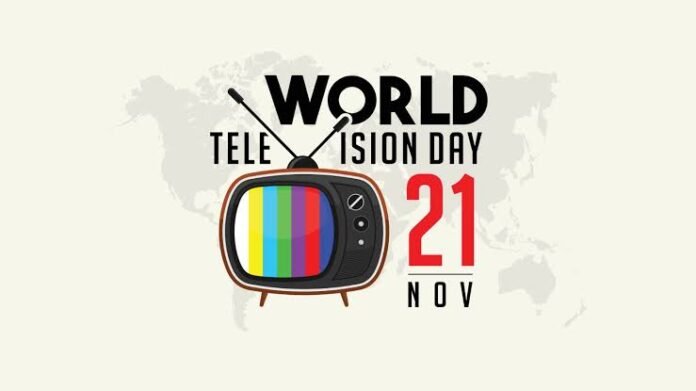
World Television Day is observed every year on November 21 to recognise the influence of television as one of the most powerful mediums of communication, information and entertainment. From delivering breaking news and shaping public opinion to bringing stories, cultures and global events into people’s homes, television has played a significant role in transforming the way societies communicate and understand the world. The day highlights the importance of television in promoting awareness, cultural exchange, education and public dialogue.
History and Origin of World Television Day
The United Nations General Assembly proclaimed November 21 as World Television Day on December 17, 1996, through Resolution 51/205. The date commemorates the first World Television Forum, which was organised at the United Nations on November 21 and 22, 1996. The forum brought together prominent media personalities, industry representatives and communication experts to discuss the growing importance of television in global affairs and its influence on society.
The United Nations recognised television not merely as a technological invention but as an important symbol of communication and globalisation. It acknowledged the medium’s ability to influence public opinion, bring attention to international issues and encourage discussions on matters related to peace, security, development and social progress. Since then, November 21 has been observed globally to recognise television’s contribution to communication and information sharing.
The Evolution of Television
Television has undergone a remarkable transformation since its introduction. What began as a relatively limited broadcasting medium has developed into a sophisticated platform offering news, entertainment, education, sports and cultural programming. The arrival of colour television, satellite broadcasting, cable networks and digital technology significantly expanded its reach and accessibility.
In India, television broadcasting began on September 15, 1959, when Doordarshan started its experimental transmission in Delhi with the support of UNESCO. Initially, television services were limited to a small audience and focused primarily on educational and developmental programming. Over the decades, the medium expanded across the country, particularly after the introduction of colour television during the 1982 Asian Games. The growth of satellite television in the 1990s brought numerous private channels into Indian households, transforming the country’s media landscape.
Television also became an important part of India’s collective cultural memory. Popular programmes such as Ramayan, Mahabharat, Hum Log and Malgudi Days attracted millions of viewers and became significant milestones in Indian broadcasting history. News channels, regional programming, reality shows, documentaries and educational broadcasts further expanded television’s role in everyday life.
Television in the Digital Age
The arrival of the internet, smartphones and streaming platforms has transformed how people consume visual content. Traditional television broadcasting now shares space with digital platforms, on-demand entertainment and online news services. Viewers can access programmes, films, documentaries and live events across devices, often according to their convenience.
Despite these changes, television continues to hold an important place in media and journalism. It remains a major source of news for millions of households, particularly during elections, national events, natural disasters and international developments. Its combination of visuals, sound and live reporting allows audiences to witness events as they unfold, making it an influential medium for public communication.
However, the growing influence of television also brings responsibilities. Sensationalism, misinformation, biased reporting and the excessive commercialisation of content can affect public understanding. Responsible journalism, accurate information, ethical broadcasting and media literacy are therefore essential to maintaining public trust.
Significance and Observance
World Television Day is marked by broadcasters, media organisations, educational institutions and communities through special programmes, discussions, campaigns and activities focusing on the role of television in society. The occasion encourages conversations about responsible journalism, the importance of credible information, cultural representation and the future of broadcasting.
The day also highlights television’s potential to connect people across geographical and cultural boundaries. From educational programmes that support learning to documentaries that introduce audiences to different societies, television can promote understanding and create awareness about important global challenges.
As media consumption continues to evolve, World Television Day serves as a reminder that the real significance of television lies not in the screen itself but in the stories it tells, the information it shares and the conversations it creates. Even in an era dominated by digital platforms, television remains an influential medium that connects communities, informs citizens and reflects the changing world.