

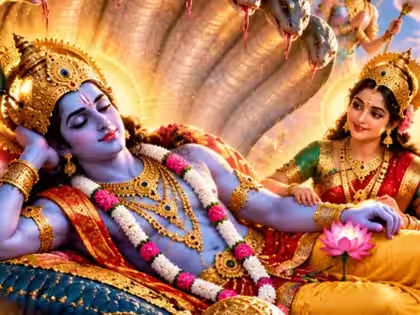
Dev Uthani Ekadashi 2026: Dev Uthani Ekadashi, also known as Devotthan Ekadashi and Prabodhini Ekadashi, will be observed on November 20 under the Smarta tradition and November 21 under the Vaishnav tradition. Celebrated on Kartik Shukla Ekadashi, the festival marks the awakening of Lord Vishnu from his four-month-long cosmic sleep (Yog Nidra) and the conclusion of Chaturmas.
Devotees observe a fast, worship Lord Vishnu and Goddess Lakshmi, recite sacred mantras and perform special puja rituals. The occasion also marks the beginning of auspicious ceremonies, including weddings and other religious celebrations. Tulsi Vivah, the ceremonial marriage of Goddess Tulsi and Lord Shaligram, is traditionally performed around this occasion.
Dev Uthani Ekadashi 2026: Date and Significance
Ekadashi holds great spiritual significance in Hinduism. Among the 24 Ekadashis observed annually, Kartik Shukla Ekadashi is considered particularly auspicious.
Known by several names, including Dev Uthani Ekadashi, Devotthan Ekadashi and Prabodhini Ekadashi, the festival celebrates the awakening of Lord Vishnu after four months of Yog Nidra.
On this day, Vishnu temples across the country organise special prayers and religious ceremonies. Devotees wake up early, take a holy bath, observe a fast and worship Lord Vishnu and Goddess Lakshmi.
Homes are decorated with rangoli, earthen lamps are lit and devotional songs and kirtans are organised. In several regions, devotees prepare a ceremonial mandap using sugarcane stalks and perform special worship of Lord Vishnu.
The festival marks the end of Chaturmas, a four-month period during which many traditional auspicious ceremonies are avoided.
Scriptural Significance and Puranic Legend of Prabodhini Ekadashi
The Padma Purana (Uttara Khanda, Prabodhini Ekadashi Mahatmya, Chapter 61) describes the religious significance of Dev Uthani Ekadashi, the prescribed fasting rituals and the spiritual benefits associated with observing the vrat.
The chapter begins with a conversation between King Yudhishthir and Lord Krishna. Yudhishthir asks about the name, significance and rituals of the Ekadashi falling during the Shukla Paksha of Kartik month.
Lord Krishna explains the teachings shared by Lord Brahma with Devarshi Narad about Prabodhini Ekadashi and the awakening of Lord Vishnu from Yog Nidra.
According to the account, observing this Ekadashi helps devotees overcome the consequences of past sinful actions, accumulate spiritual merit and move towards moksha (liberation).
The festival symbolises not only the awakening of Lord Vishnu but also the spiritual awakening of devotees.
Scriptural Reference: Padma Purana, Uttara Khanda, Prabodhini Ekadashi Mahatmya, Chapter 61, Verses 1–4.
What is Dev Uthani Ekadashi?
The word ‘Dev Uthani’ refers to the awakening of the gods, while ‘Prabodhini’ means awakening or emerging from sleep. Since the festival falls on Kartik Shukla Ekadashi, it is also popularly known as Dev Uthani Gyaras.
It marks the conclusion of Chaturmas, which begins with Devshayani Ekadashi in Ashadha month and ends with Dev Uthani Ekadashi in Kartik month.
According to Hindu religious traditions, Lord Vishnu enters Yog Nidra on Devshayani Ekadashi and awakens four months later on Dev Uthani Ekadashi.
In 2026, the festival will be observed on November 20 under the Smarta tradition and November 21 under the Vaishnav tradition.
When is Dev Uthani Ekadashi in 2026? Shubh Muhurat and Timings
Dev Uthani Ekadashi 2026 falls on November 20 and 21, depending on the religious tradition followed. The following timings are provided in the source Panchang and may vary according to location.
| Event | Date and Time |
|---|---|
| Ekadashi Tithi begins (Smarta) | November 20, 2026, 7:15 AM |
| Ekadashi observance (Vaishnav) | November 21, 2026 |
| Ekadashi Tithi begins (Vaishnav reference) | November 21, 2026, 6:31 AM |
| Parana (Smarta fast) | November 21, 1:10 PM–3:18 PM |
| Parana (Vaishnav fast) | November 22, approximately 6:49 AM–8:56 AM |
| Godhuli Muhurat | November 20, 5:26 PM–5:52 PM |
| Pradosh Kaal | November 20, 5:25 PM–8:06 PM |
| Brahma Muhurta | November 20, 5:00 AM–5:53 AM |
| Tulsi Vivah (Dwadashi) | November 21, 6:31 AM–November 22, 4:56 AM |
Note: Timings may vary depending on the city and local Panchang. Devotees should verify the exact fasting and Parana timings with their local Panchang.
Dev Uthani Ekadashi 2026: Puja Vidhi
Devotees observe Dev Uthani Ekadashi with fasting, prayers and special worship of Lord Vishnu. The traditional puja procedure includes:
- Morning preparations: Wake up early, take a bath, wear clean clothes and clean the worship area.
- Establish the deity: Place an idol or picture of Lord Vishnu, or a Shaligram Shila, on a platform covered with yellow cloth.
- Light the lamp: Light a ghee diya and incense sticks.
- Offerings: Offer yellow flowers, Tulsi leaves, fruits, sweets and Panchamrit, prepared using milk, curd, honey, sugar and ghee.
- Traditional worship: Apply sandalwood paste, offer roli and akshat (unbroken rice grains) and worship Lord Vishnu with devotion.
- Mantra chanting: Chant ‘Om Namo Bhagavate Vasudevaya’ and recite the Vishnu Sahasranama.
- Sankalp: Take a vow to observe the Ekadashi vrat with devotion and seek the blessings of Lord Vishnu for the well-being of the family.
Devotees can also perform Vishnu Sahasranama Sadhana through the Sadhana App.
Why Does Lord Vishnu Awaken on Dev Uthani Ekadashi?
According to Hindu beliefs, Lord Vishnu enters Yog Nidra on Ashadha Shukla Ekadashi, popularly known as Devshayani Ekadashi. During this period, he rests on Sheshnag in the Ksheer Sagar (Cosmic Ocean). This marks the beginning of Chaturmas, the four-month period associated with spiritual discipline, fasting, prayer and introspection.
In several Bhakti traditions, Lord Shiva is believed to oversee the administration of the universe during this period, sustaining and protecting creation through tapas (penance), discipline and devotion.
After four months, Lord Vishnu awakens on Kartik Shukla Ekadashi, known as Dev Uthani Ekadashi. The occasion marks the conclusion of Chaturmas and the resumption of auspicious ceremonies, including weddings, housewarming ceremonies and other religious functions.
Tulsi Vivah 2026: Date and Significance
Tulsi Vivah is one of the important religious traditions associated with Dev Uthani Ekadashi. It celebrates the divine marriage of Goddess Tulsi and Lord Shaligram, a sacred representation of Lord Vishnu.
According to accounts in the Shiv Purana (Rudra Samhita, Yuddha Khanda) and the Padma Purana (Uttara Khanda), Devi Vrinda was the devoted wife of the demon king Jalandhar. Her unwavering devotion and chastity protected Jalandhar and made him extremely powerful.
To defeat Jalandhar and protect the gods, Lord Vishnu assumed Jalandhar’s form, thereby breaking Vrinda’s vow of chastity. This weakened Jalandhar’s powers and ultimately led to his defeat.
When Vrinda discovered what had happened, she cursed Lord Vishnu. According to the religious legend, her devotion and spiritual power led to the emergence of the Tulsi plant. Lord Vishnu subsequently blessed her with the boon that she would remain close to him and that he would marry her in his Shaligram form during Kartik month.
This divine legend is associated with the tradition of Tulsi Vivah, which is celebrated with elaborate wedding rituals.
Tulsi Vivah 2026: Shubh Muhurat
Tulsi Vivah will be celebrated on Saturday, November 21, 2026, according to the timings provided in the source Panchang.
| Event | Date and Time |
|---|---|
| Tulsi Vivah | Saturday, November 21, 2026 |
| Dwadashi Tithi begins | November 21, 2026, 6:31 AM |
| Dwadashi Tithi ends | November 22, 2026, 4:56 AM |
Tulsi Vivah Puja Vidhi
Tulsi Vivah is celebrated like a traditional Hindu wedding, with Goddess Tulsi symbolically married to Lord Shaligram.
The main rituals include:
- Preparation: Clean the worship area and draw rangoli around the Tulsi plant. Decorate the area and prepare a ceremonial wedding mandap using sugarcane stalks.
- Adorning Goddess Tulsi: Decorate the Tulsi plant with a red chunari, flowers, bangles, bindi and sindoor.
- Worship of Lord Shaligram: Offer yellow clothes, sandalwood paste, rice, flowers and Tulsi leaves to Lord Shaligram.
- Ganesh Puja and Sankalp: Begin the ceremony by worshipping Lord Ganesha and taking a sankalp to perform the divine wedding.
- Wedding rituals: Exchange garlands between Goddess Tulsi and Lord Shaligram. Symbolically tie them together using a sacred thread or piece of cloth. Perform Kanyadaan and other wedding rituals according to family traditions.
- Parikrama and Aarti: Perform the traditional procession and circumambulation around the Tulsi plant, followed by aarti.
- Bhog and Prasadam: Offer fruits and sweets to the deities and distribute the prasadam among devotees.
Dev Uthani Ekadashi and Tulsi Vivah remind devotees that bhakti goes beyond fasting and rituals. The festivals emphasise shraddha (faith), self-discipline, humility and seva (service). Through prayers to Lord Vishnu and Goddess Tulsi, devotees seek spiritual purification, peace and prosperity