

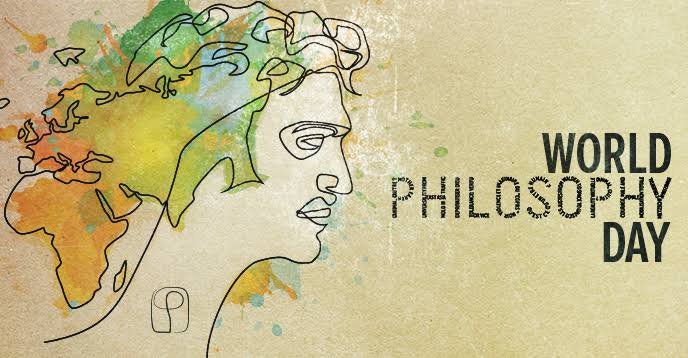
World Philosophy Day is observed every year on the third Thursday of November to recognise the importance of philosophy in shaping human thought, promoting critical thinking and encouraging meaningful dialogue across cultures. The day highlights the role of philosophical reflection in understanding human existence, questioning established beliefs and addressing the social, ethical and intellectual challenges of the modern world. In 2026, World Philosophy Day will be observed on November 19.
The observance was introduced by the United Nations Educational, Scientific and Cultural Organization (UNESCO) in 2002 and was officially proclaimed by its General Conference in 2005. UNESCO established the day to underline the enduring value of philosophy for individuals, cultures and societies. It aims to encourage people to engage with philosophical ideas, exchange perspectives and develop a deeper understanding of the world around them.
The 2026 observance comes at a time when societies are facing complex challenges arising from technological developments, climate change, migration, public health concerns and growing social divisions. UNESCO’s programme for this year focuses on the question of how people can coexist in a world facing multiple crises, with particular attention to climate, artificial intelligence, migration and health. At its headquarters in Paris, UNESCO will organise a special lecture by philosopher Souleymane Bachir Diagne titled ‘Living the Earth Together’, followed by a discussion on the importance of collective thinking and action.
Philosophy, often described as the pursuit of wisdom, is much more than an academic discipline. It encourages individuals to ask fundamental questions about life, knowledge, morality, justice, truth and human responsibility. By examining different viewpoints and challenging assumptions, philosophical thinking helps people develop independent judgement and make informed decisions. It also teaches the importance of listening, reasoning and respecting differences of opinion.
Throughout history, philosophy has played a significant role in shaping civilisations and intellectual traditions. Ancient Greek thinkers such as Socrates, Plato and Aristotle explored questions concerning ethics, politics, knowledge and human existence. Similarly, Indian philosophical traditions have made substantial contributions to global intellectual history. Thinkers and traditions associated with the Upanishads, Buddhism, Jainism, Nyaya, Samkhya and Vedanta have explored questions of consciousness, reality, knowledge, duty and liberation.
India’s philosophical heritage also includes influential thinkers such as Adi Shankaracharya, Gautama Buddha, Mahavira, Swami Vivekananda and Dr S. Radhakrishnan. Their ideas have contributed to discussions on spirituality, ethics, human values, education and the relationship between individuals and society. The diversity of Indian philosophical thought reflects a long tradition of debate, inquiry and the exploration of different perspectives.
In contemporary society, philosophy has become increasingly relevant as technology transforms the way people communicate, work and understand information. The growth of artificial intelligence, misinformation, digital surveillance and ethical questions surrounding scientific advancements has created new challenges that require careful reflection.
Philosophy provides a framework for examining questions of accountability, privacy, fairness and the responsible use of technology. Similarly, environmental philosophy encourages people to reconsider their relationship with nature and their responsibilities towards future generations.
Education is another important area where philosophy plays a valuable role. Encouraging philosophical discussions among students can strengthen analytical abilities, curiosity, creativity and the capacity to engage respectfully with opposing viewpoints. Rather than simply accepting information, students learn to question, examine evidence and develop reasoned arguments. These skills are essential for responsible citizenship and a healthy democratic society.
World Philosophy Day is celebrated through academic conferences, public lectures, debates, seminars, discussions and educational activities across different countries. Universities, schools and cultural institutions use the occasion to introduce philosophical ideas to wider audiences and encourage dialogue between generations and cultures.
Ultimately, World Philosophy Day reminds us that meaningful progress begins with the ability to think, question and understand. In a world increasingly shaped by rapid technological and social changes, philosophical reflection offers an opportunity to pause, examine our assumptions and consider the consequences of our actions. It reinforces the idea that dialogue, reason and mutual understanding are essential for building a peaceful, inclusive and thoughtful society.